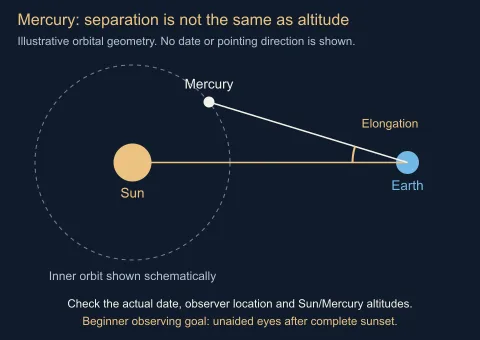
Explore the sky
Finding Mercury safely
Plan a date-specific attempt to see Mercury while keeping the Sun completely out of the observing task.
Beginner8 min

51 resources
Plan a date-specific attempt to see Mercury while keeping the Sun completely out of the observing task.
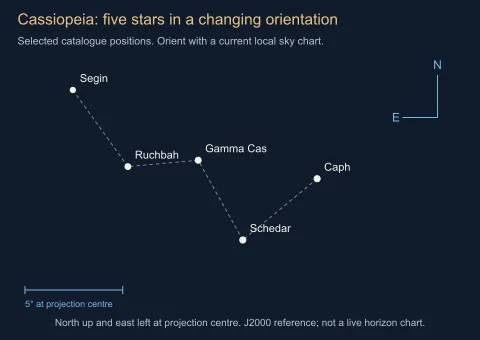
Recognise a five-star zigzag and orient it correctly from a low northern latitude.
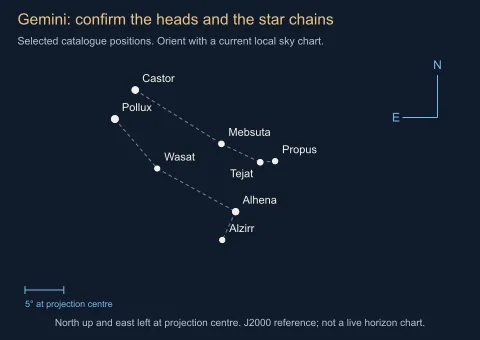
Use Castor and Pollux to identify a pair of star chains without expecting two identical twins.
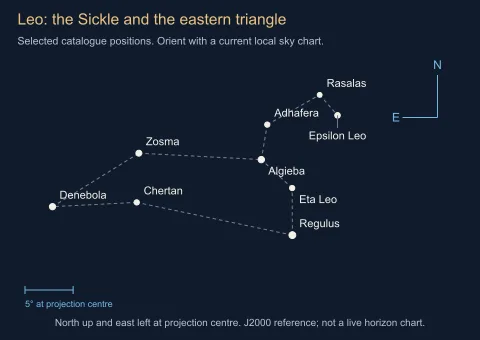
Connect Regulus, the Sickle and the eastern triangle to make a dependable constellation identification.
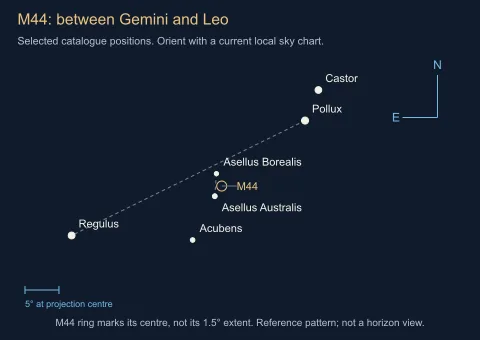
Use bright landmarks and a wide view to recognise an open cluster in the faint constellation Cancer.
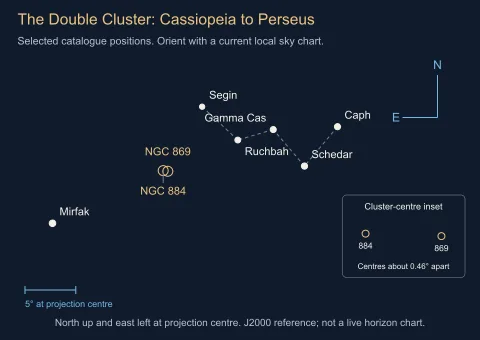
Find the Double Cluster in Perseus, also called Caldwell 14 or NGC 869 and NGC 884. See the finder chart and learn when to look from India.
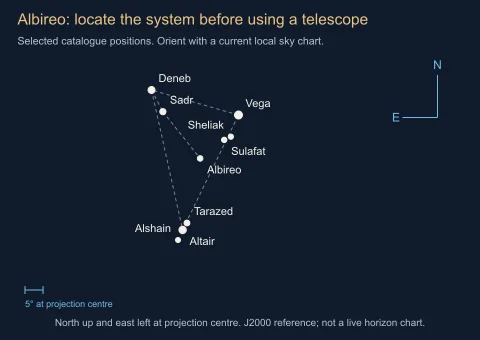
Use a small telescope to compare a visual double without confusing apparent closeness with a proven orbit.
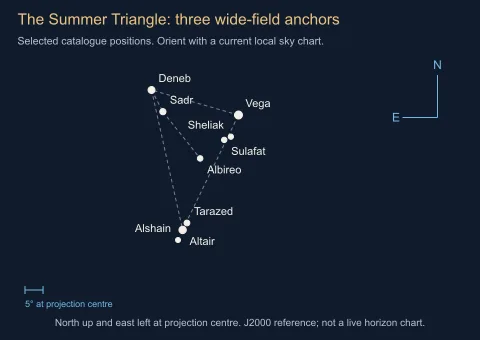
Join Vega, Deneb and Altair into a broad sky framework and use it to organise smaller observing tasks.
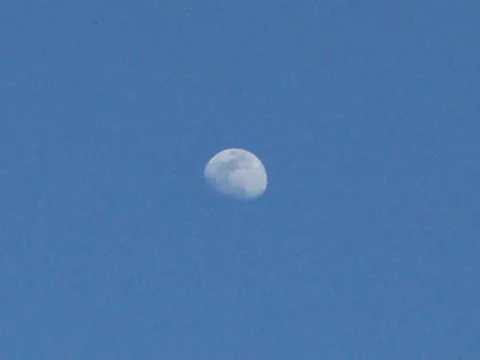
You can see the Moon in daylight when it is above your horizon, far enough from the Sun in the sky and bright enough to stand out against the blue sky.
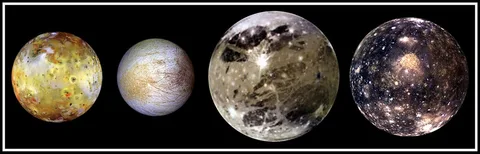
Steady binoculars or a small telescope can show Io, Europa, Ganymede and Callisto as points of light near Jupiter. Their pattern changes as they orbit the planet.
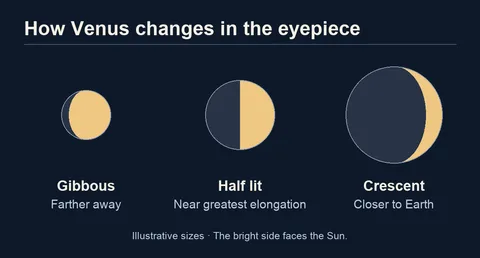
Venus shows crescent, half-lit and gibbous phases as it orbits the Sun. Through a telescope its crescent usually looks larger than its gibbous disc because Venus is closer to Earth.
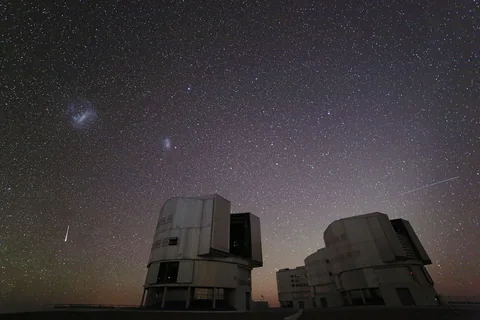
See when to watch the 2026 Geminid meteor shower in India. Find Moonset and suggested viewing times for Honavar, Bengaluru, Mumbai, Delhi and Kolkata.
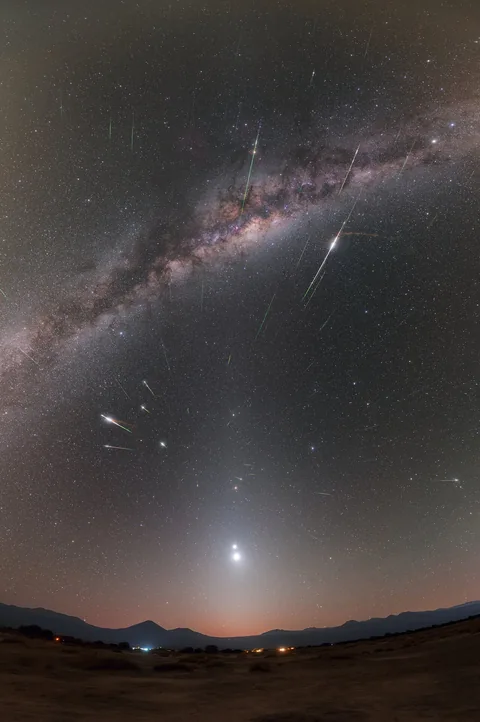
Find the best 2027 meteor showers to watch from India. See viewing dates in IST, Moon conditions and local times for the Quadrantids and Eta Aquariids.
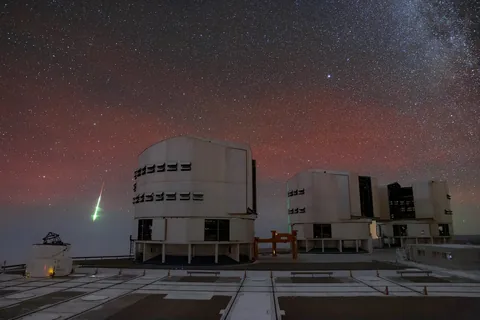
Earth’s morning side rotates into the direction of its orbit. Learn why this increases sporadic meteors and when a shower is better earlier in the night.
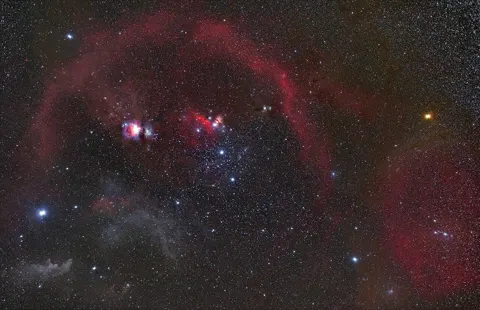
Plan stargazing near Honavar for any date. See dark-sky times, Moon illumination and bright targets. Hourly cloud and rain forecasts are available for tonight and tomorrow.
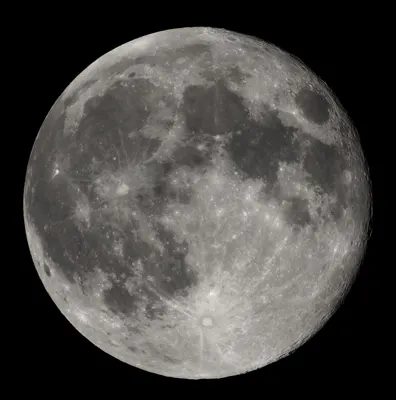
Choose a useful lunar phase and learn to recognise the landscape through binoculars or a telescope.
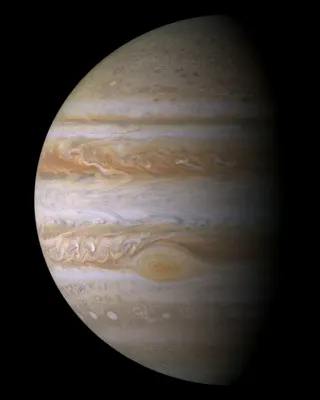
Look for Jupiter’s disk, cloud belts and four bright moons while keeping an accurate observing record.
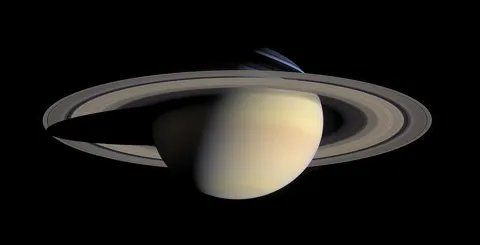
Plan a patient first observation of Saturn and understand why its rings can look different over time.
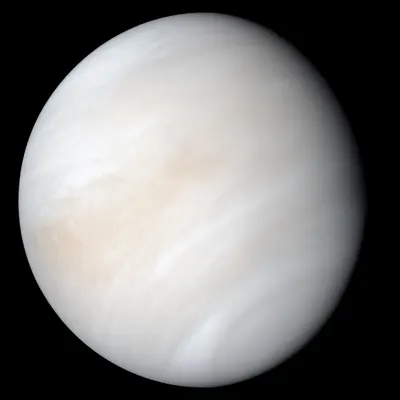
Understand Venus as a bright evening or morning object and plan observations safely.
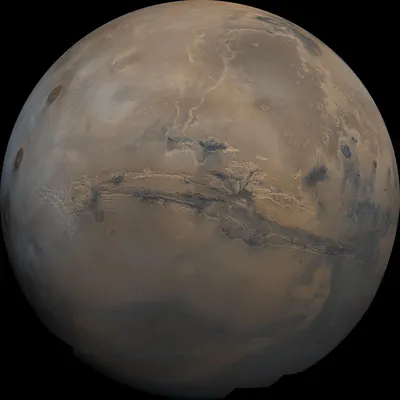
Find Mars, compare its appearance over time and understand why surface detail is difficult.
Use Orion’s bright pattern to practise orientation, star colours and careful identification.
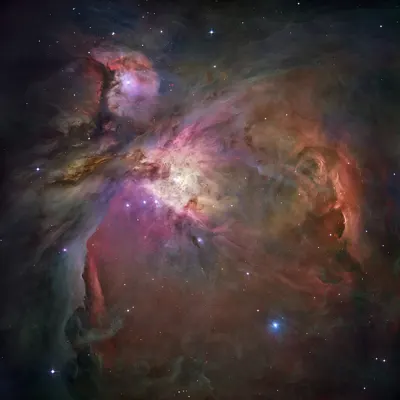
Explore a star-forming cloud and learn why a visual view differs from a colourful space image.
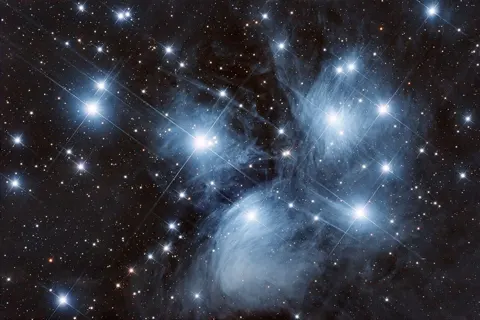
Compare the bright stars of the Pleiades with the richer cluster revealed by a wider optical view.
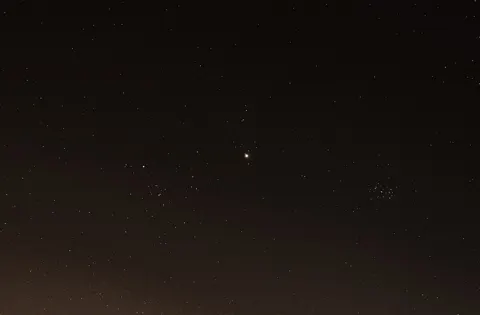
Find the V-shaped Hyades, compare Aldebaran and explore the difference between a pattern and a cluster.

Follow Orion’s Belt to Sirius, the brightest star in the night sky. Find it with your eyes and learn why it flashes different colours.
NASA, ESA, H. Bond (STScI) and M. Barstow (University of Leicester)
Locate the North Star and understand why it sits low in the sky from coastal Karnataka.

Recognise the seven-star pattern and learn when its pointer stars can help you locate north.
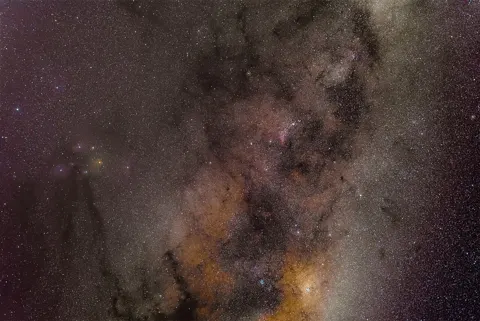
Recognise Antares and the curved scorpion pattern while planning around southern-horizon visibility.
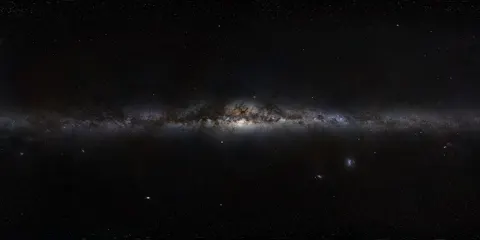
Find pre-monsoon Milky Way viewing windows in Honavar for 2027. See where to look and how to check moonlight and clouds.
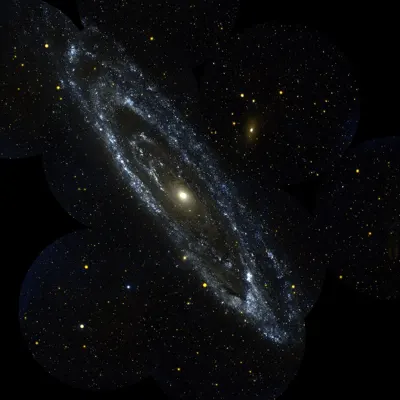
Plan a realistic first view of M31 and understand why its apparent brightness can be deceptive.
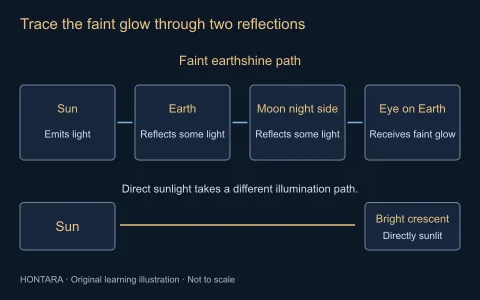
Recognise the faint lunar night-side glow as reflected sunlight that has travelled via Earth.
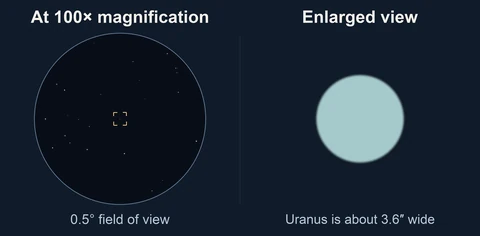
See how small Uranus looks through a telescope and how to recognise its pale blue-green disc. Find it on a sky chart for your date and location.
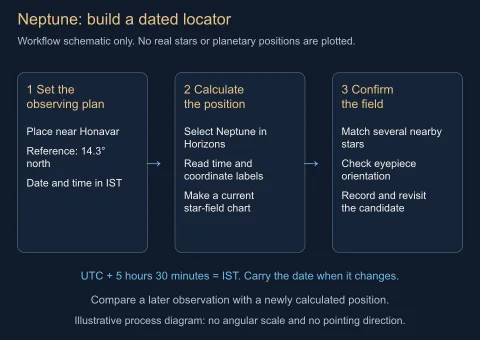
Prepare a dated field and use matching stars to distinguish faint Neptune from an ordinary stellar point.
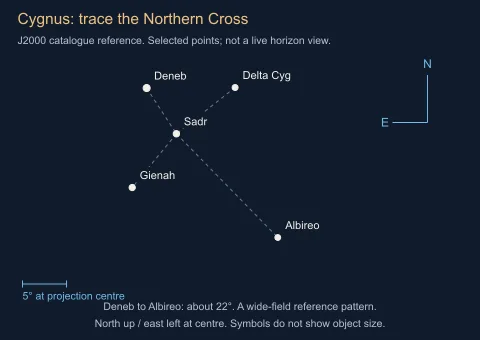
Trace Deneb, Sadr and Albireo before comparing bright signposts with the faint Milky Way.
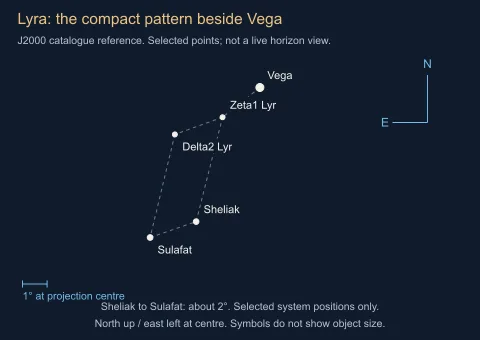
Use Vega and a compact four-star pattern to reach Lyra and prepare a separate search for the Ring Nebula.
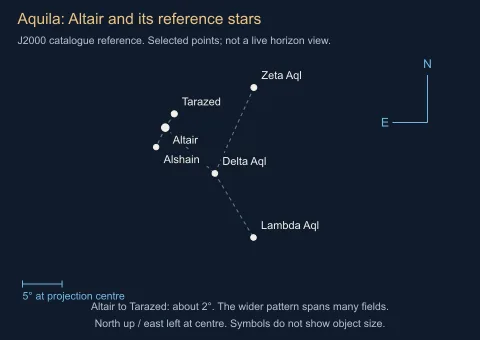
Match Altair with Tarazed and Alshain before extending your view across the wider Aquila pattern.
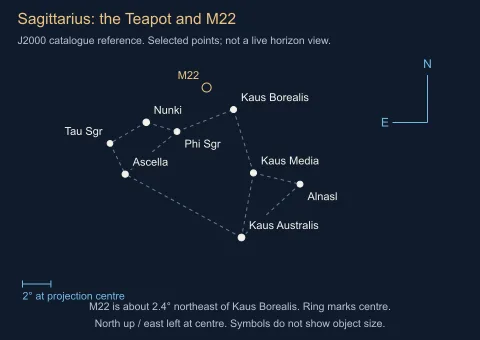
Recognise the Teapot and choose southern-sky targets using checked altitude and contrast limits.
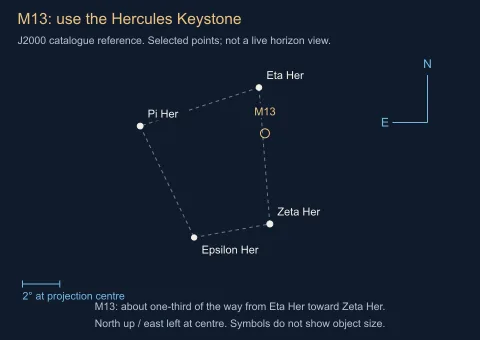
Use Hercules’ Keystone to reach M13 and distinguish a globular glow from individually resolved stars.
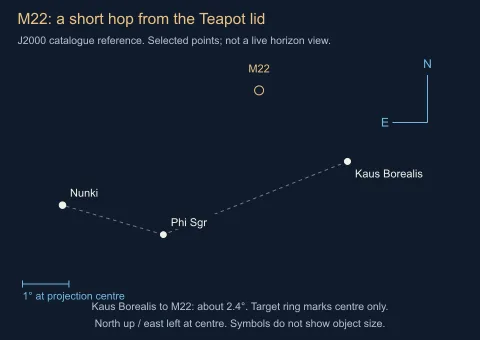
Hop from the Teapot’s lid to a bright globular cluster and judge the effect of a southern sky position.
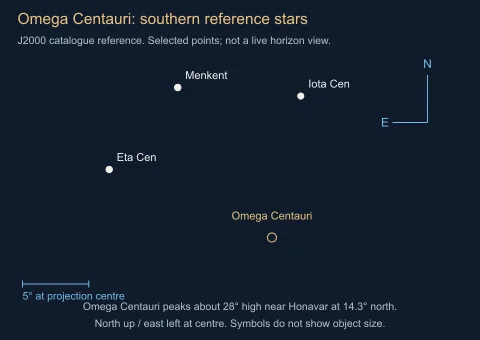
Prepare for a low southern globular cluster using a clear horizon and a checked local transit limit.
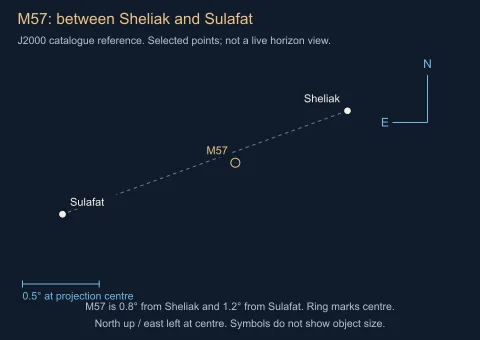
Use the short Sheliak–Sulafat baseline to find a tiny planetary nebula and separate detection from structure.
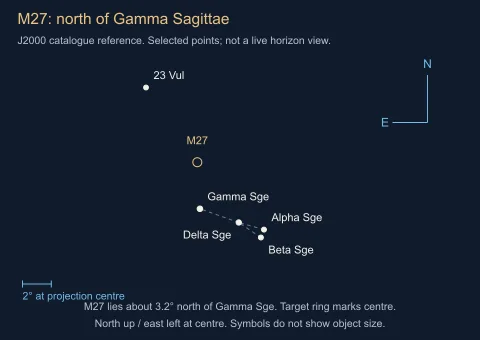
Reach M27 from Sagitta and compare a visual glow with the structure revealed by long-exposure images.
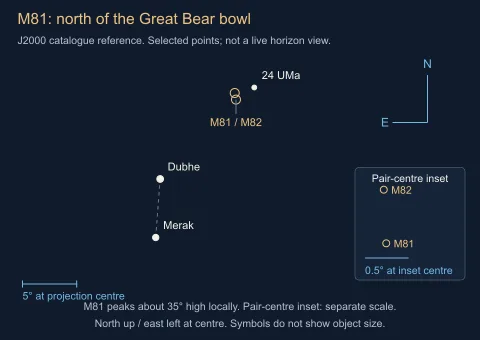
Navigate north of the Great Bear and use realistic contrast expectations for M81 and nearby M82.
A monthly blue moon is the second full Moon in one calendar month. A seasonal blue moon is the third full Moon in an astronomical season that has four. Either looks like an ordinary full Moon.
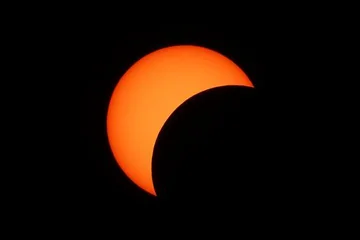
See when the 2 August 2027 partial solar eclipse begins, peaks and ends in Honavar, Bengaluru and eight other Indian cities. Learn how to watch safely.
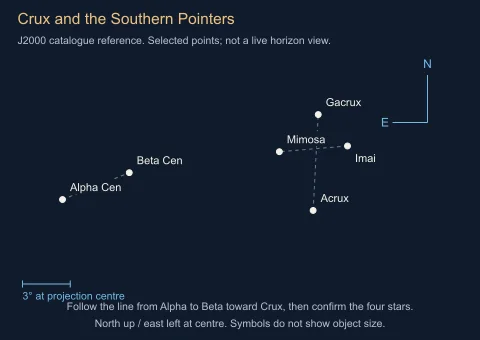
Identify Crux using its four main stars and the Southern Pointers, then check how much of the pattern clears your horizon.
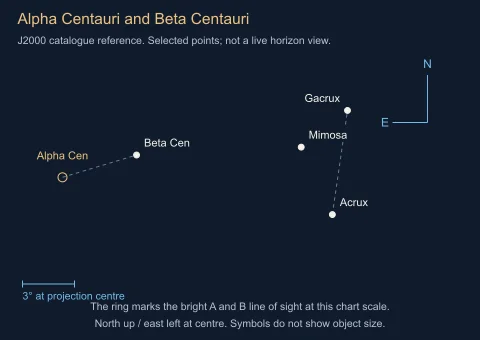
Locate the nearest star system beyond the Sun and distinguish the bright pair from the faint star Proxima Centauri.
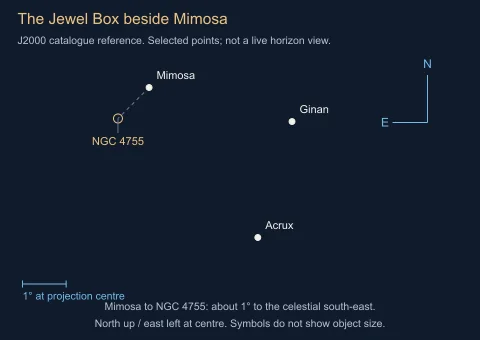
Make the short hop from Beta Crucis to the compact open cluster NGC 4755 and record which stars your equipment resolves.
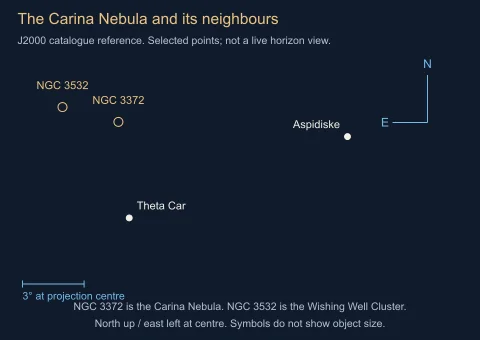
Plan a wide-field search for NGC 3372 and recognise how faint nebulosity differs from star clusters and haze.
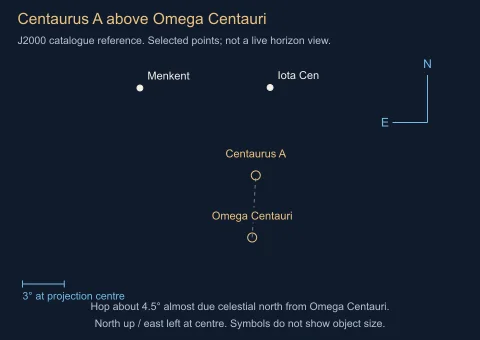
Use a globular cluster as a finder landmark for NGC 5128 and compare a diffuse galaxy with a dense star cluster.
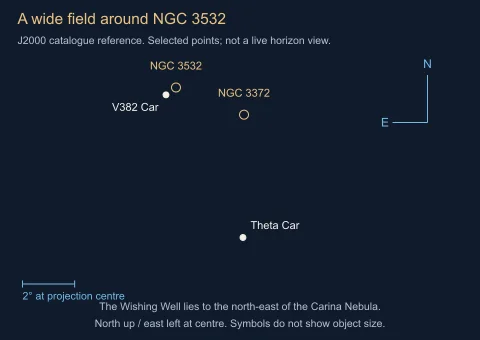
Find NGC 3532 in a wide binocular field and compare its spread with the more compact Jewel Box.
No resources match that search. Try fewer words or clear the filters.