On this page
When to look
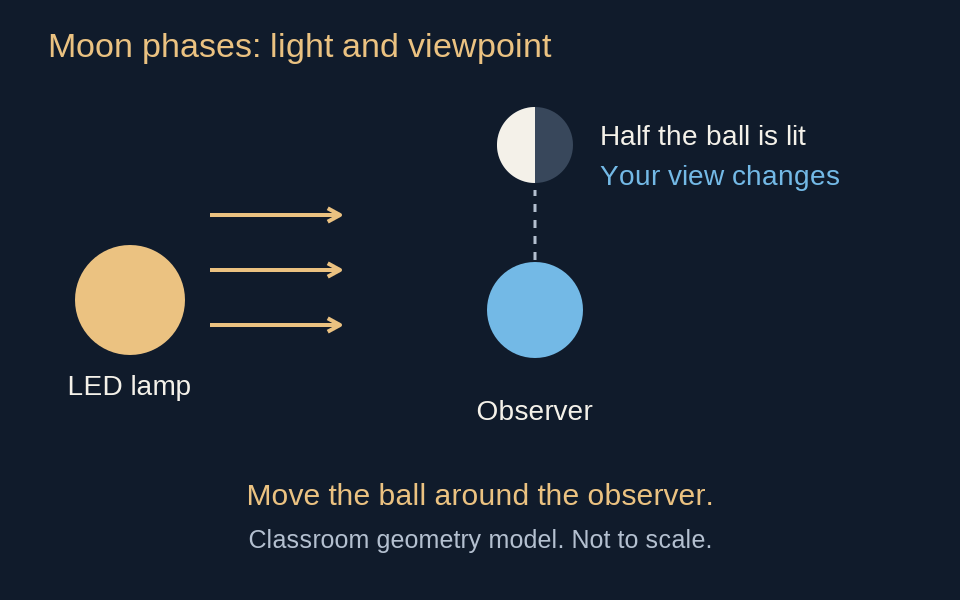
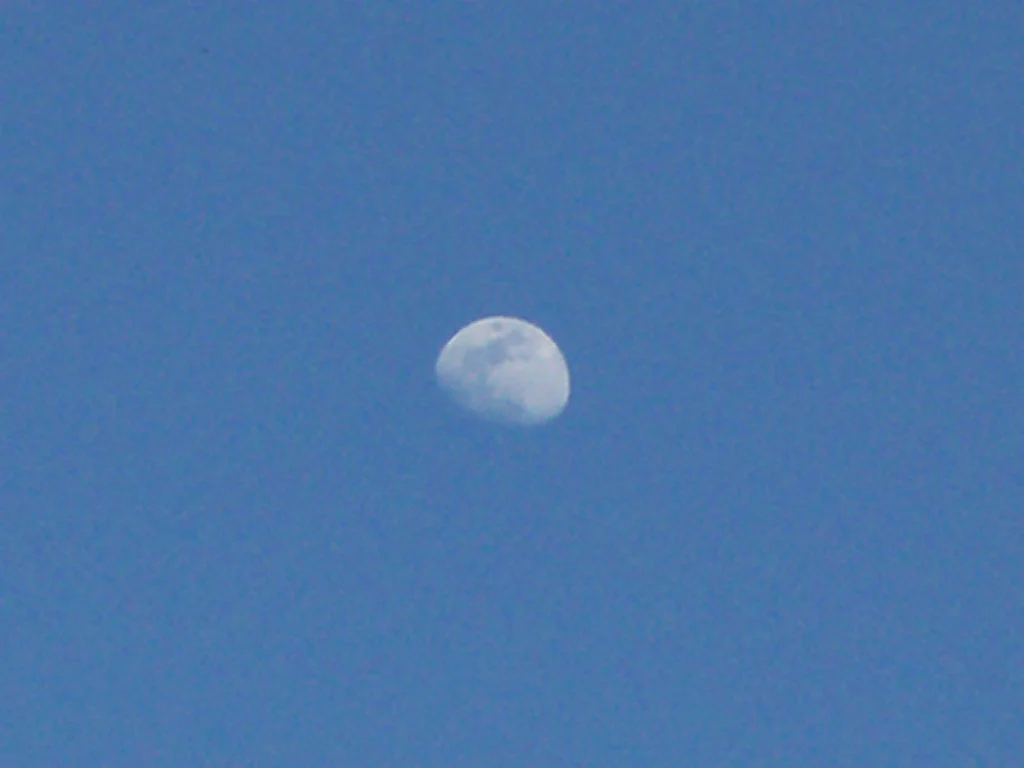
Try the afternoon near first quarter or the morning near last quarter. The Moon is roughly half lit and about a quarter of the way around the sky from the Sun at either phase. Find a clear patch of sky and start with your unaided eyes.
Times are approximate and refer to local daylight. Hills, buildings and haze can shorten your window. A sky chart set to your location and date gives a better starting direction than a fixed compass bearing.
| Phase | When to look |
|---|---|
| Waxing crescent | Late afternoon when the crescent is well separated from the Sun. |
| First quarter | Afternoon. In a simple model the Moon rises around local noon. |
| Waxing gibbous | Later in the afternoon, with the window narrowing as full Moon approaches. |
| Waning gibbous | Morning after sunrise, especially a few days beyond full Moon. |
| Last quarter | Morning. In a simple model the Moon sets around local noon. |
Why full Moon and new Moon are harder to catch
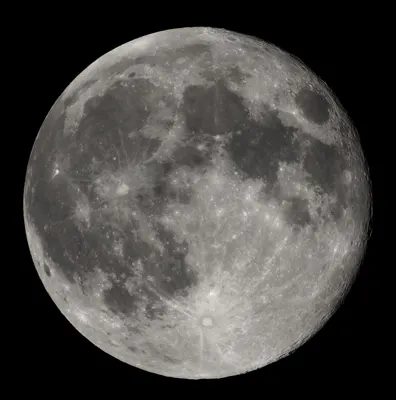
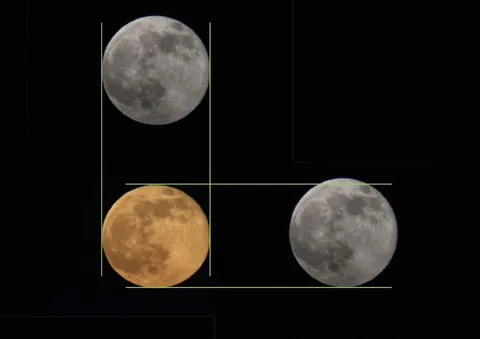
A full Moon sits roughly opposite the Sun, so it generally rises around sunset and sets around sunrise. You might see it briefly in daylight close to sunrise or sunset. A new Moon sits near the Sun in the sky with very little of its sunlit side facing us.
The blue daytime sky is lit by scattered sunlight. A thin crescent can be above your horizon and still be hard to spot because it has little contrast.
Try an afternoon-to-morning check
Use a Moon phase calendar to pick a day near first quarter. Look in the afternoon with the Sun safely out of your line of sight. Note the time and where the Moon sits relative to a roof or tree. About a week later near full Moon, try the same afternoon time. Then try a morning near last quarter. A missing Moon is part of the result. Check if it was above the horizon first.
Keep the Sun out of every viewing direction. Use your eyes for this activity and skip it when a chart puts the Moon near the Sun.