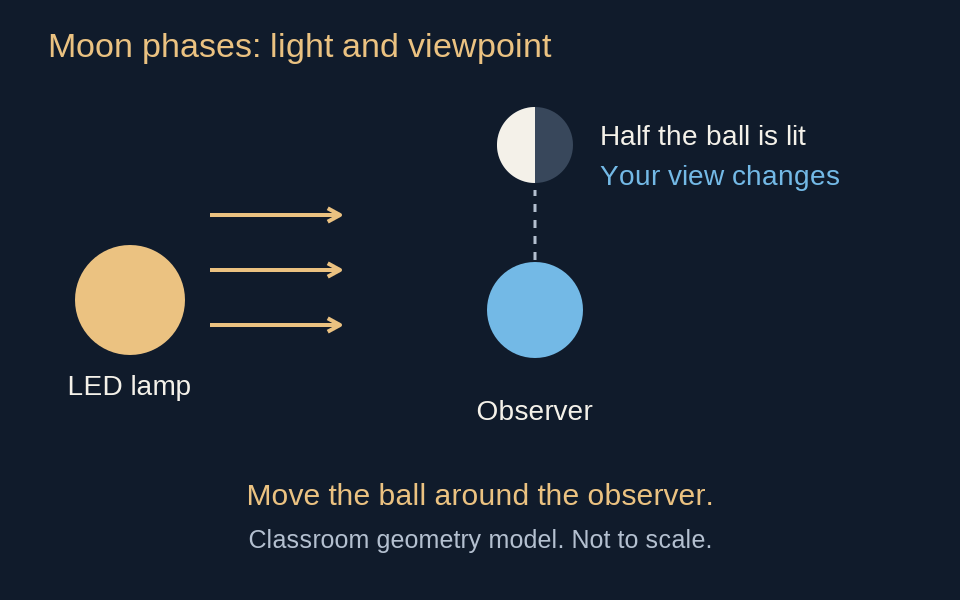
For teachers
Teach Moon phases through evidence
A classroom lesson that helps learners distinguish a changing viewpoint from an Earth-shadow explanation.
Beginner45 min

Three classroom activities you can run without a telescope.
45 min · Protractor, card, paper straw, tape, string, washer, tape measure and pencil.
50 min · Paper, dark card, ruler, pencil, scissors and calculator.
45 min · Two spacecraft photos included in the worksheet, paper and a pencil.
35 resources
A classroom lesson that helps learners distinguish a changing viewpoint from an Earth-shadow explanation.
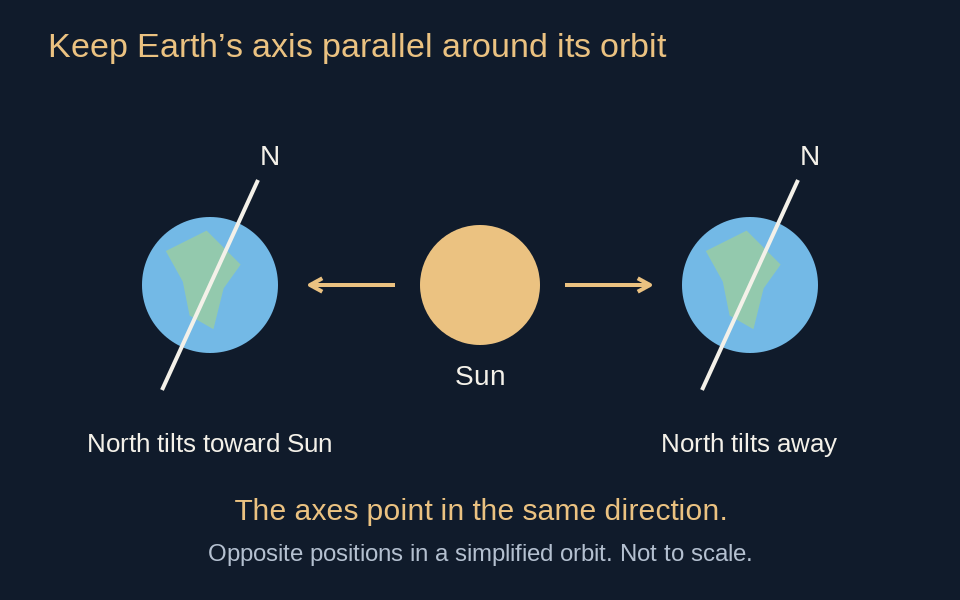
Use opposite hemispheres as evidence when learners evaluate explanations for the seasons.
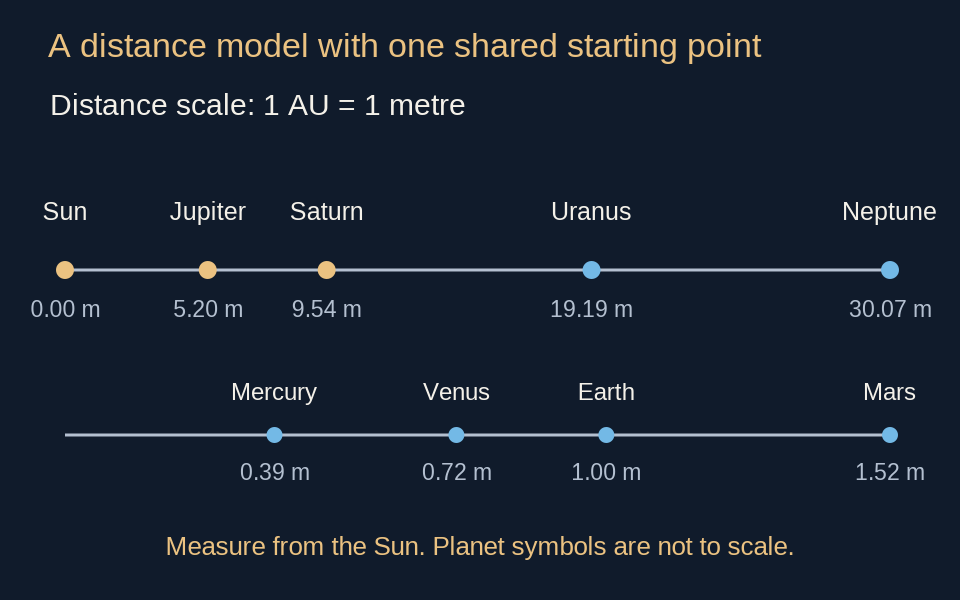
A maths-and-science lesson about scale factors, units and the limitations of familiar planet diagrams.
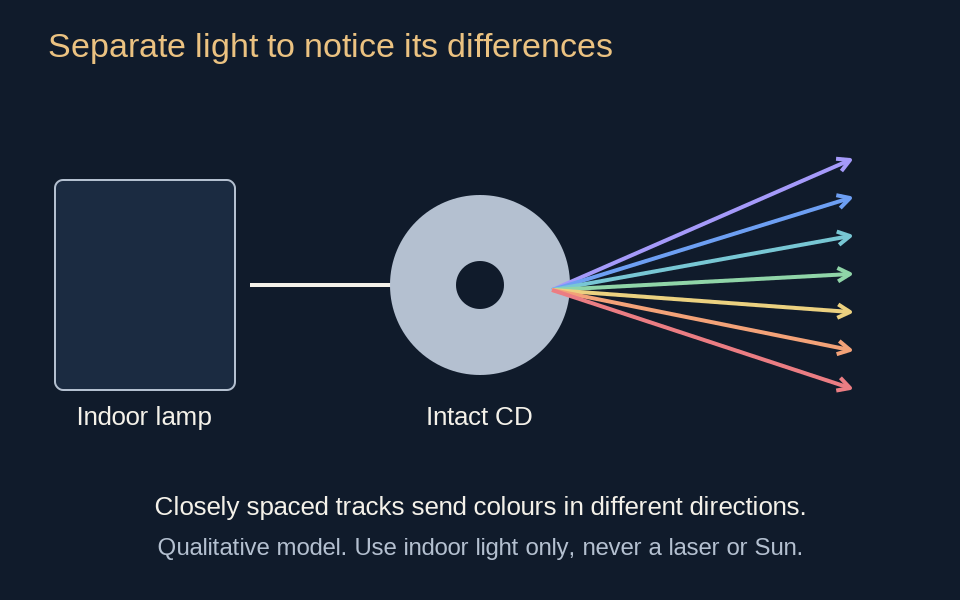
Help students explain how comparing spectra can reveal differences that a white-light appearance conceals.
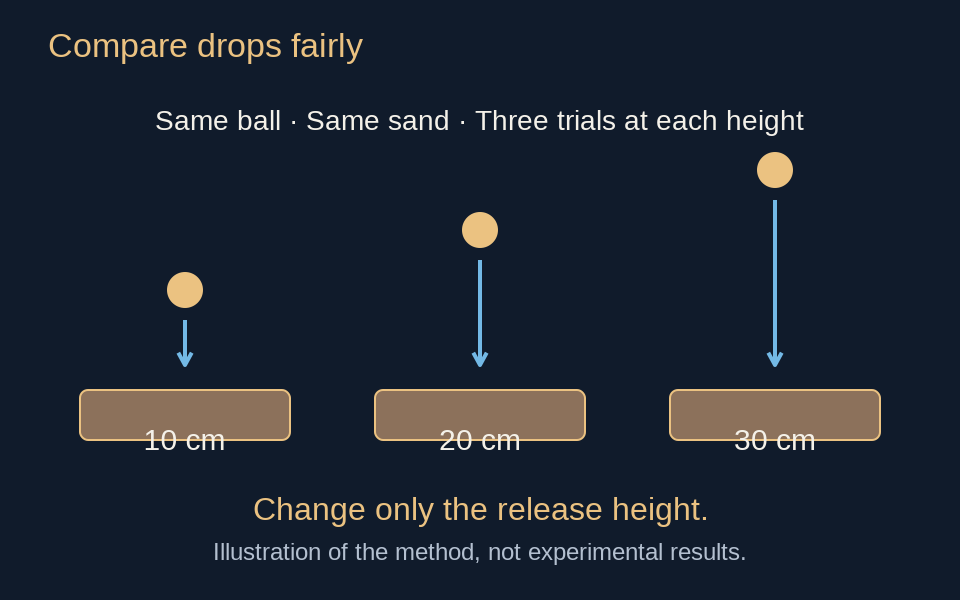
Use a small impact investigation to practise variables, repeat trials and cautious conclusions.
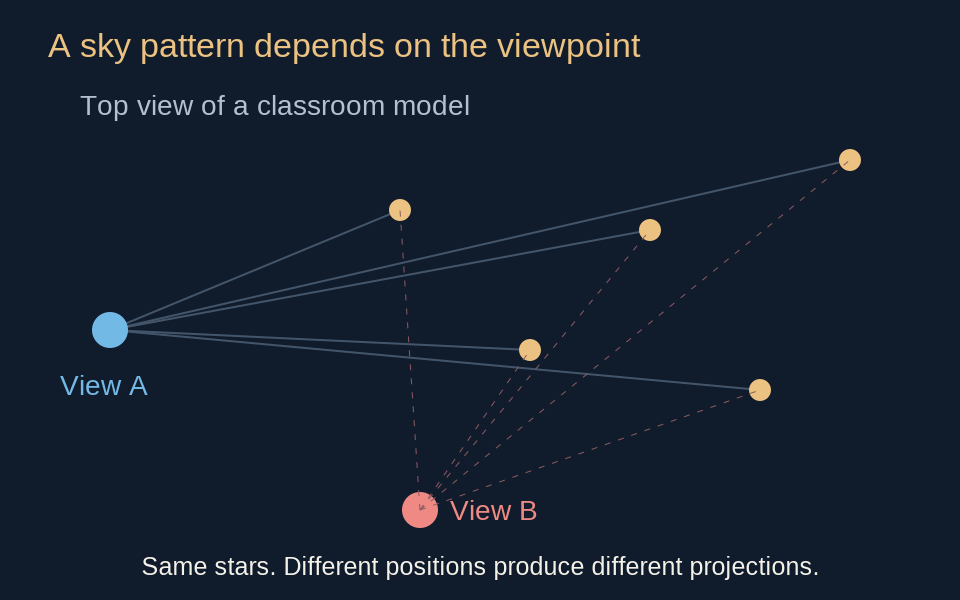
Help students distinguish a sky pattern, a three-dimensional arrangement and a modern constellation region.
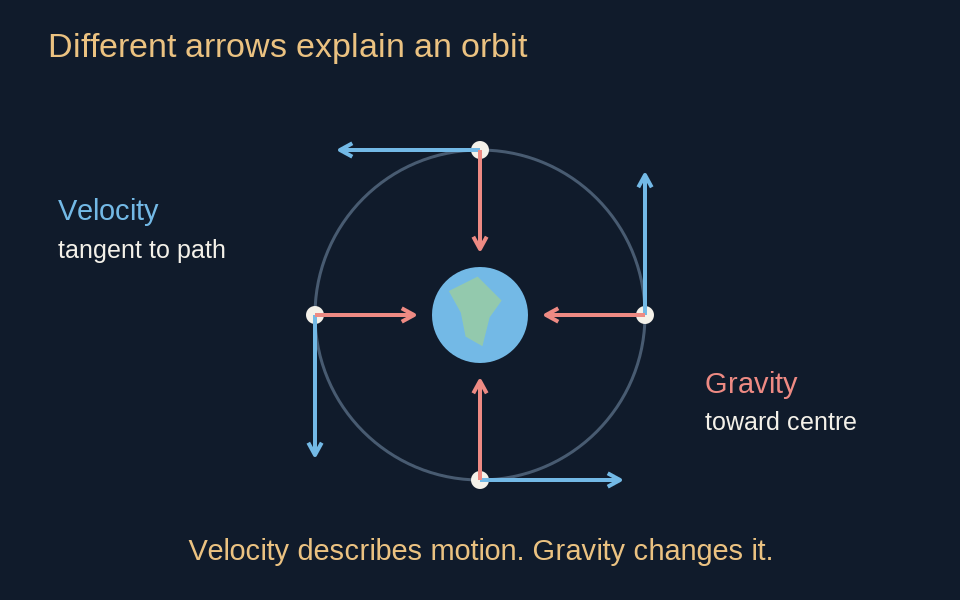
Use motion arrows to resolve the misconception that gravity disappears in space.
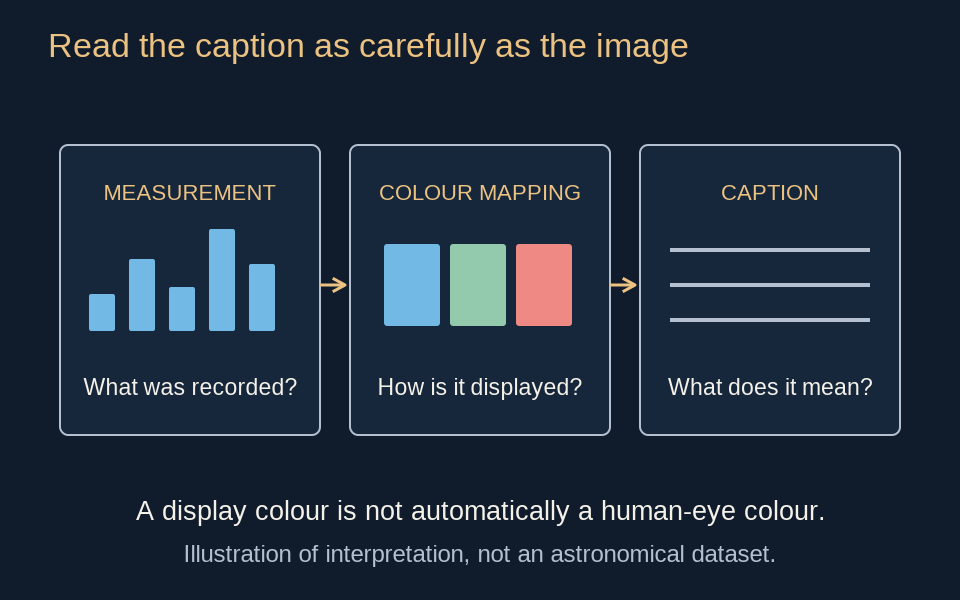
A media-literacy lesson about captions, wavelength information, colour mapping and scientific evidence.
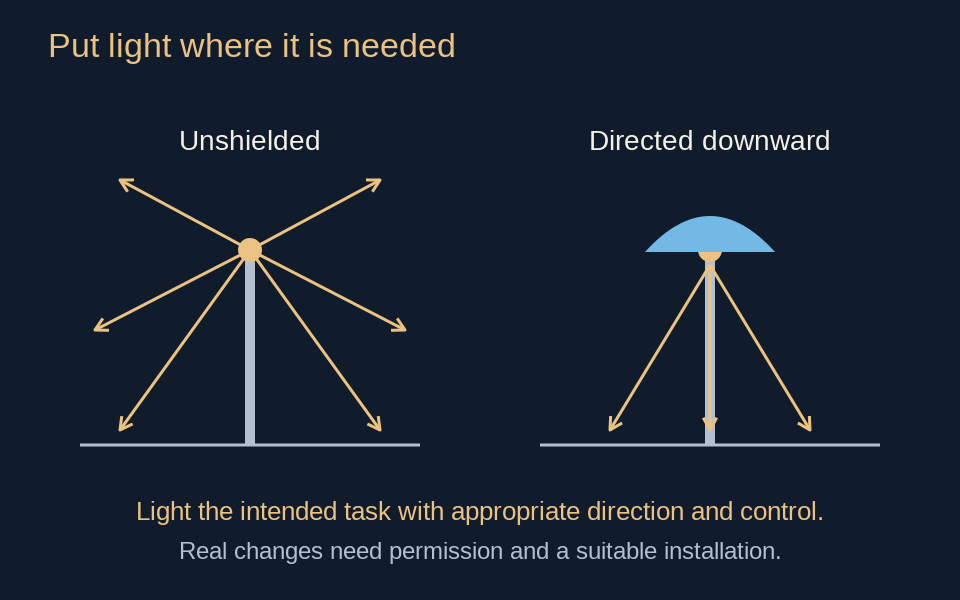
Guide students through an evidence-based decision about useful outdoor light and unwanted spill.
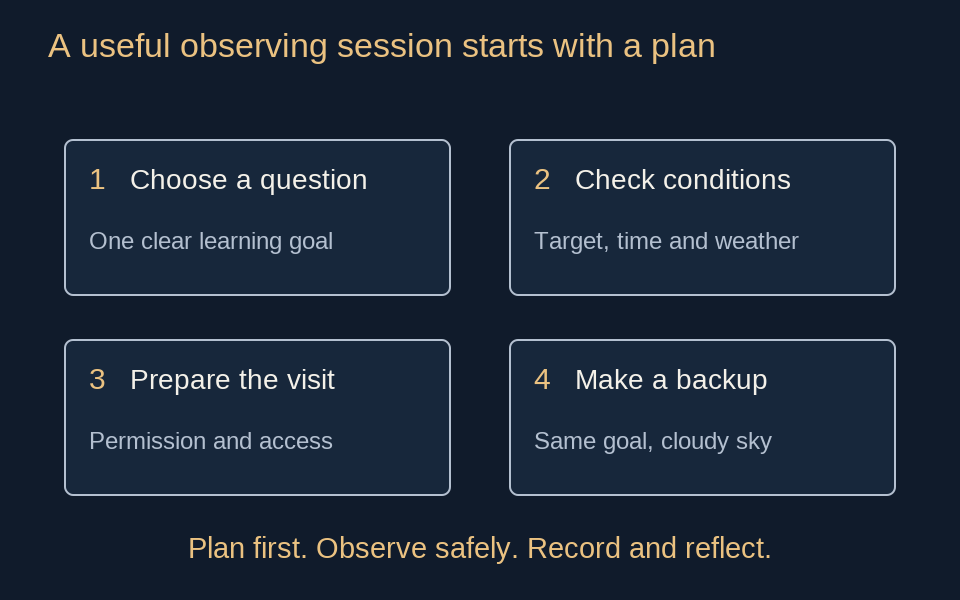
A practical planning lesson that turns a skywatching event into a manageable observation and reflection exercise.
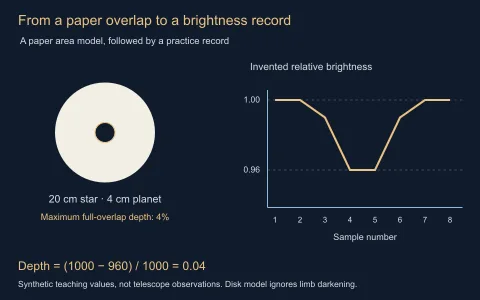
Lead students from a paper area model to a plotted light curve, a size inference and an explicit account of uncertainty.
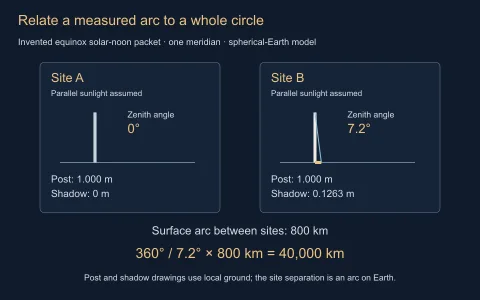
Teach proportional geometry using a complete idealised data packet, explicit assumptions and an uncertainty comparison.
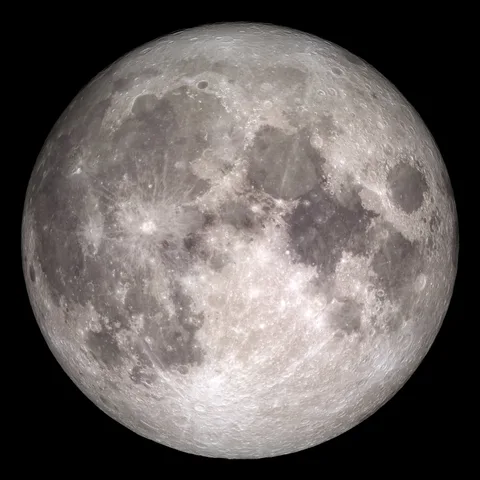
Lead a comparison of supplied LRO and Galileo views with an assessment that separates observation from interpretation.
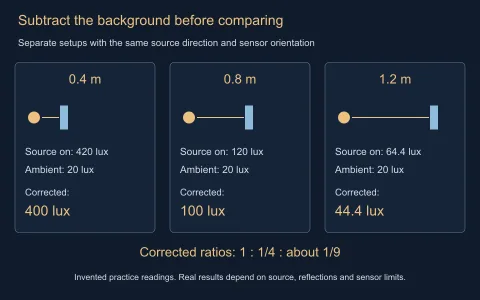
Guide a controlled light-meter investigation with background correction, a complete practice dataset and apparatus-aware conclusions.
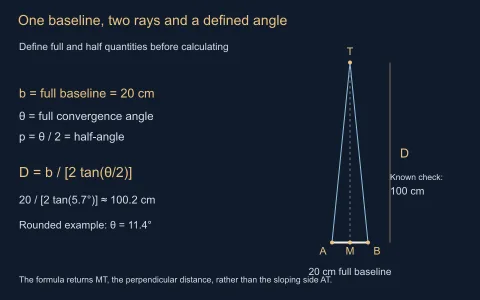
Teach baseline and angle conventions with a symmetric model, independent angle readings and an explicit factor-of-two check.
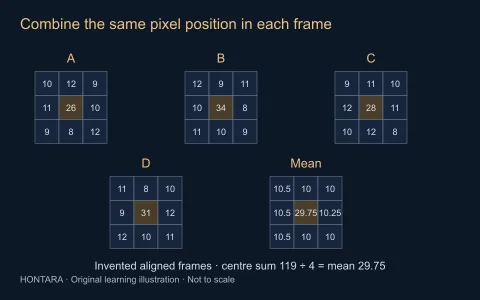
Use a 45-minute number-grid investigation to assess alignment, means, shared artifacts and the limits of an invented model.
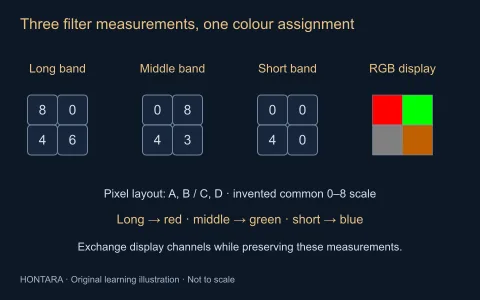
Guide a 45-minute composite-image lesson with numerical checks, accessible labels and an evidence-based caption task.
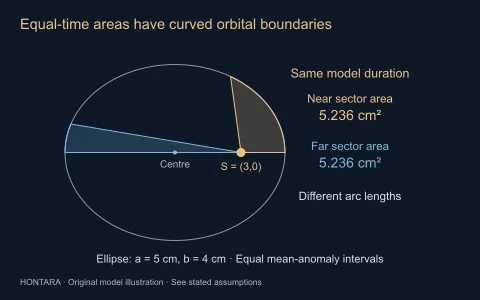
Use a 50-minute coordinate investigation to assess the distinction between sector area, arc length and a model’s assumptions.
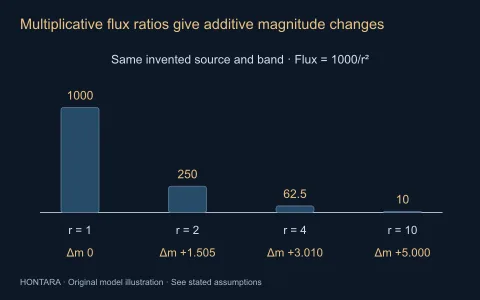
Use a 45-minute numerical investigation to assess inverse-square reasoning, logarithmic differences and the limits of apparent brightness.
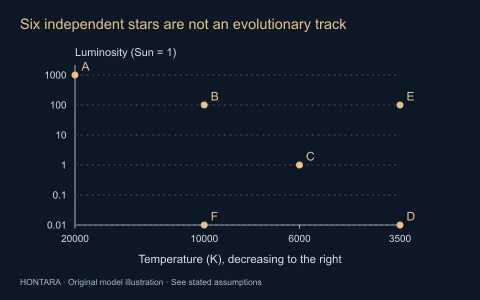
Use a 50-minute plotting lesson to assess axis direction, logarithmic spacing and cautious interpretation of stellar regions.
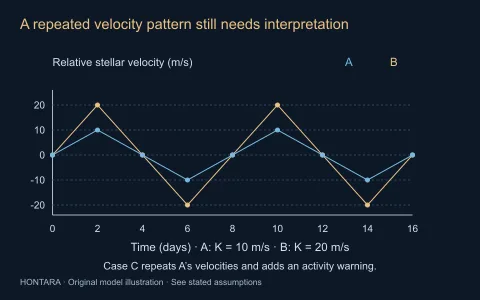
Use a 50-minute synthetic-curve lesson to assess period reading, semi-amplitude and an activity-related ambiguity.
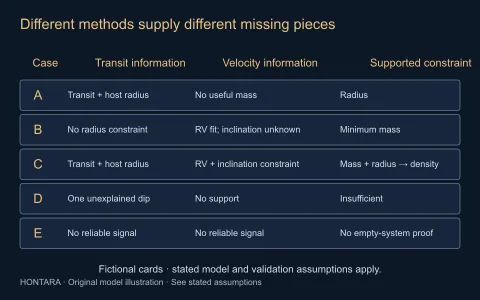
Use a 45-minute classification lesson to distinguish radius, minimum mass, model mass and unprovided information.
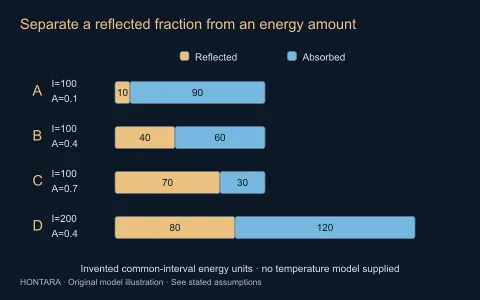
Use a 45-minute fractional-budget lesson to distinguish albedo, total energy and the assumptions needed for temperature.
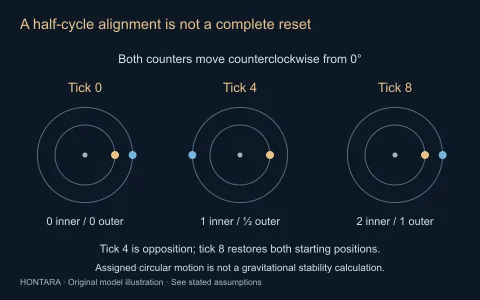
Use a 45-minute counter model to assess period ratios, relative alignment and the limits of prescribed motion.
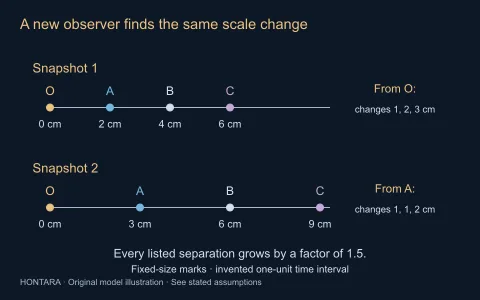
Use a 50-minute scale comparison to assess observer choice, fractional growth and the limits of a one-dimensional analogy.
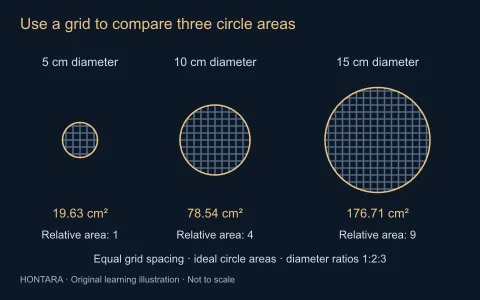
Use a 45-minute paper-circle investigation to distinguish diameter, area, magnification and model limits.
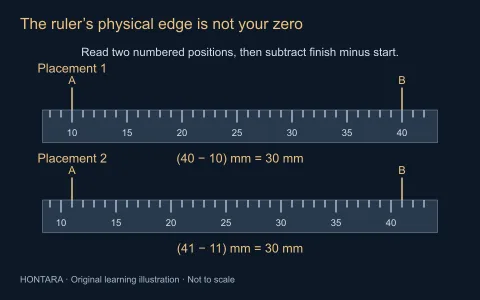
Guide a 45-minute lesson that separates repeatability, reference agreement and overconfident reporting.
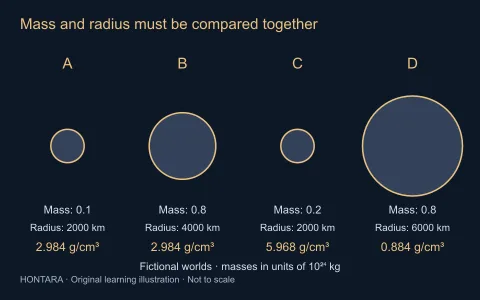
Use a 45-minute fictional-world investigation to assess unit handling, cubic scaling and the limits of composition inference.
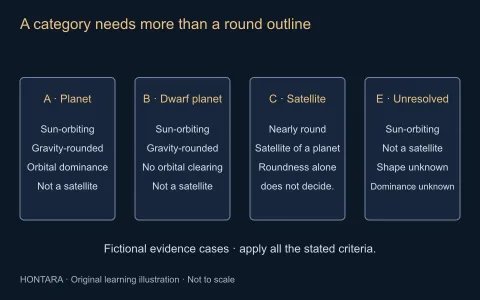
Use a 45-minute evidence-card lesson to distinguish criteria, assumptions and missing information in Solar System categories.
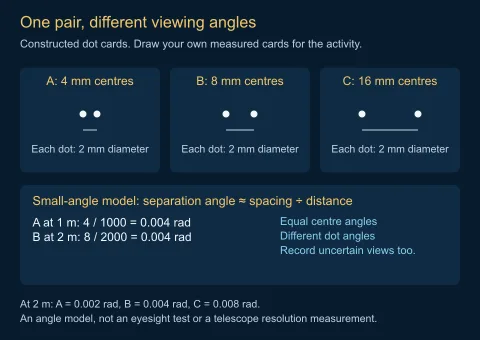
Guide a fair dot-card comparison with ratio calculations, uncertainty and a clear distinction from eyesight testing.
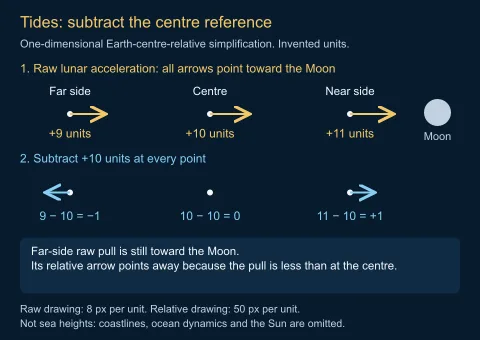
Use a subtraction model to address far-side tidal effects before discussing the limits of a static ocean picture.
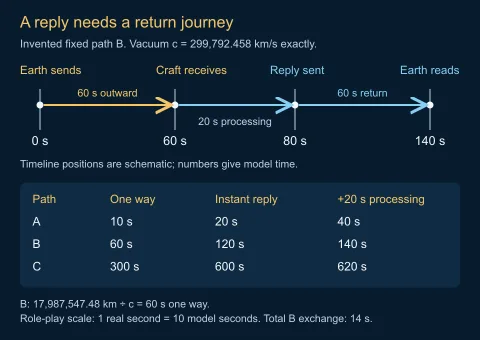
Facilitate a scaled conversation with a checked light-time table and assessment of travel, processing and data-rate claims.
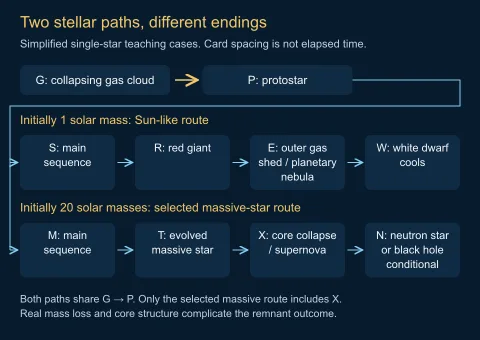
Facilitate a supplied card sort with mass-dependent pathways, explicit remnant uncertainty and evidence-based assessment.
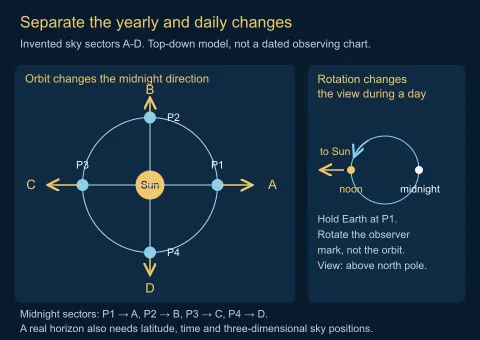
Use two controlled paper demonstrations to distinguish annual sightline changes from daily rotation and avoid overclaiming local visibility.
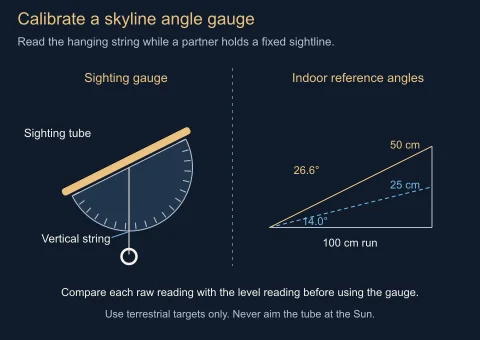
Use a 45-minute lesson to connect sky geometry with skyline measurements and assess decisions made near a threshold.
No resources match that search. Try fewer words or clear the filters.