On this page
THE BIG IDEAS
- Polaris marks approximate north rather than maximum brightness.
- Its altitude is roughly the observer’s northern latitude.
- A low northern horizon matters in Karnataka.
Look north, not for the brightest star
Polaris is useful because it lies close to the north celestial pole, the direction toward which Earth’s rotation axis points. It is not the brightest star in the night sky. Many first attempts fail because observers choose the most brilliant point instead of matching a star pattern.
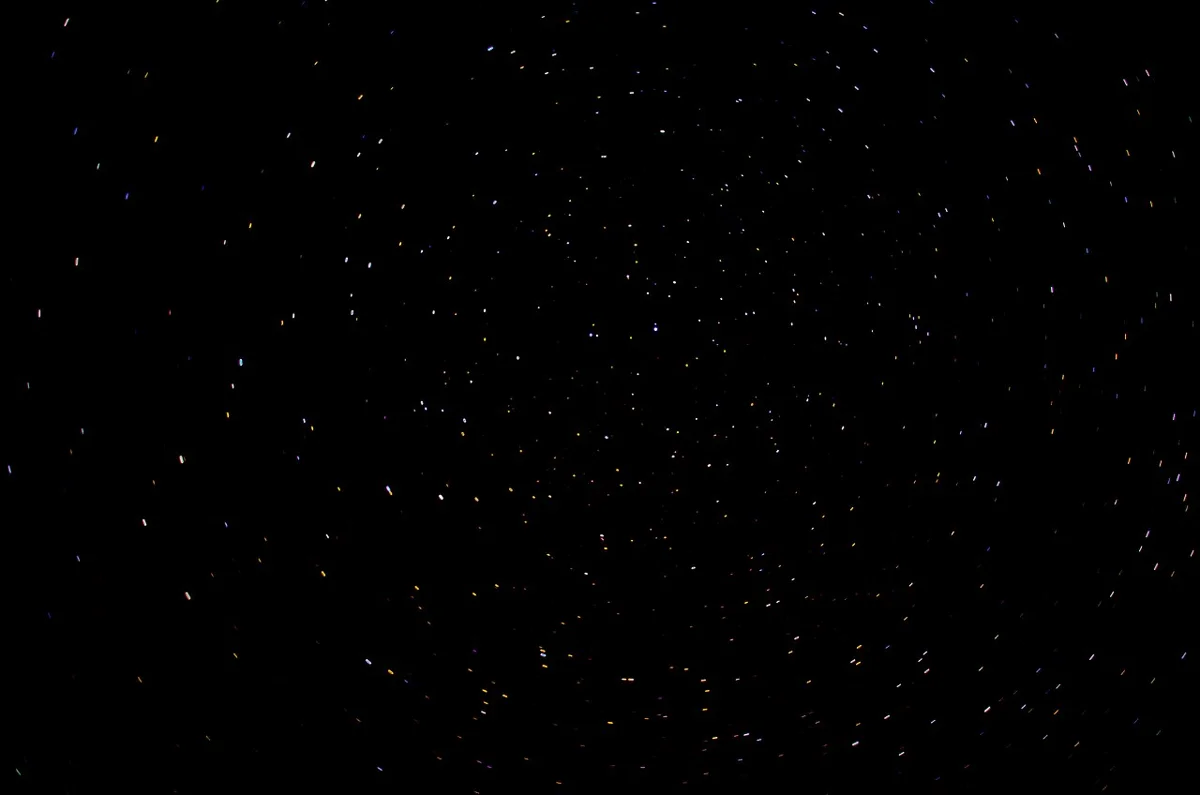
As Earth turns, stars appear to circle the celestial pole. Polaris makes a small circle rather than staying mathematically fixed, but to casual observation it is a useful marker of approximate north.
Understand the low view from Honavar
The altitude of the north celestial pole is approximately your northern latitude. Near Honavar, around 14 degrees north, this puts Polaris relatively low above the northern horizon. Trees, buildings and humid haze can conceal it even when the overhead sky looks clear.
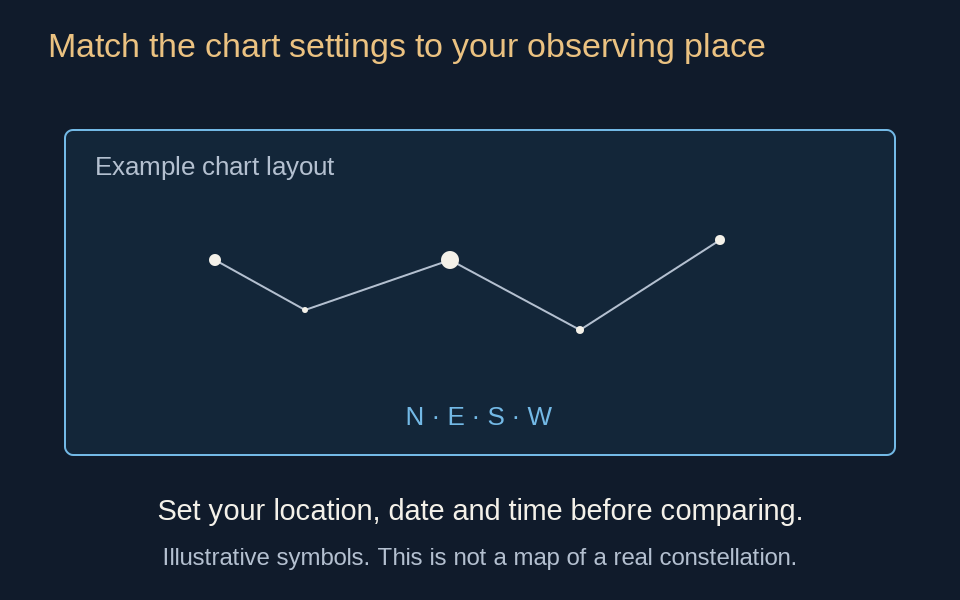
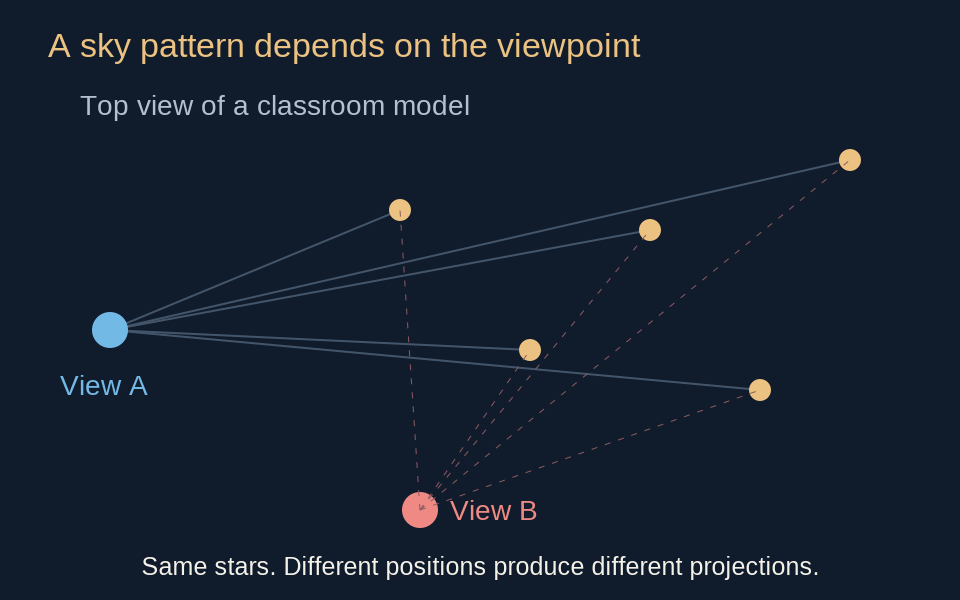
A high-latitude illustration may show Polaris much higher than it appears in Karnataka. Do not copy that elevation. Set a planetarium to your actual location and compare its horizon view with a safe outdoor site.
Use pointer stars when available
The two stars on the outer edge of the Big Dipper’s bowl point toward Polaris when you extend the line in the correct direction. Check the chart to distinguish the bowl from the handle and to avoid extending the line backwards. Polaris lies near the end of the Little Dipper’s handle.
The Big Dipper is not always conveniently placed from low northern latitudes. If it is below the horizon or hidden, use a dated local chart rather than assuming the pointer method will work every evening.
Make a stationary comparison
Choose a safe spot with a clear northern view. Sketch Polaris and several nearby stars relative to a stationary roofline or distant tree. Return to the same spot later and compare. The surrounding pattern should turn while Polaris remains close to its earlier position.
A moving observer changes the alignment of nearby foreground objects. Keep your viewing position consistent and do not use a handheld phone compass as the only evidence. Nearby metal and device calibration can affect its reading.
Use the result thoughtfully
Finding Polaris is a lesson in Earth’s rotation and viewing geometry, not a replacement for proper navigation equipment. It provides approximate north but does not establish a safe travel route through unfamiliar terrain. For a family session, the aim is simply to identify the star and explain why its height changes when an observer travels north or south. Record a non-detection honestly if the horizon is obstructed.
PAUSE AND THINK
Why is Polaris lower in Honavar than in a city far to the north?
Explore the answer
The north celestial pole’s altitude is approximately the observer’s latitude, so it appears lower at Honavar’s lower northern latitude.