On this page
Get the planet steady in the centre of the view
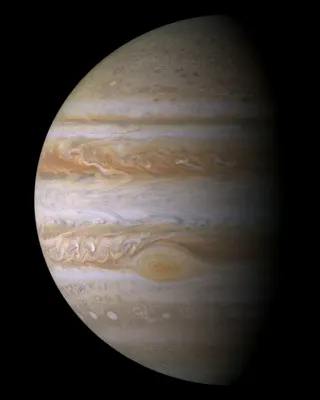
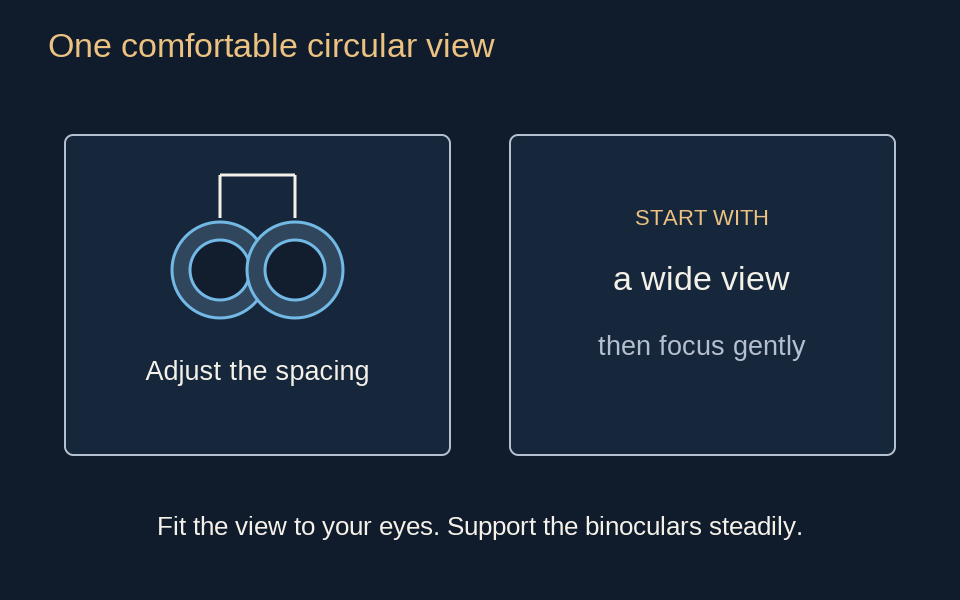
Use a sky chart set to your location to identify Jupiter. Start after dark when it has climbed clear of rooftops and much of the haze near the horizon. Rest your elbows or mount the binoculars. In a telescope, use the lowest-power eyepiece first and focus until nearby stars are small points.
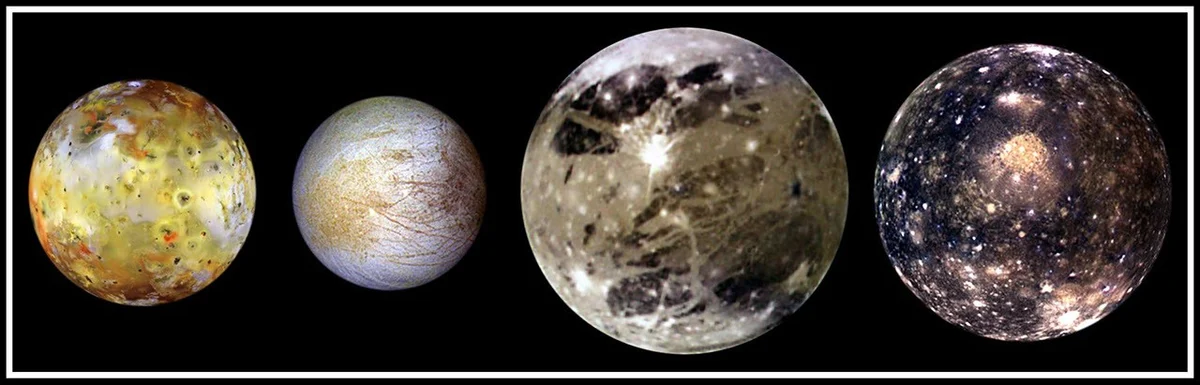
Look for tiny lights in a line that passes through Jupiter. They may appear on either side and can be close to the bright disc. A bit more magnification can help if Jupiter is steady. Keep some space around the planet so a distant Callisto can still fit in view.
Why you may see only two or three
A moon can be behind Jupiter, passing in front of its bright disc or in Jupiter’s shadow. Two moons can also appear close together in projection. A telescope can sometimes show the shadow of a moon as a dark point crossing the planet, although that needs better seeing and more magnification than spotting the moons.
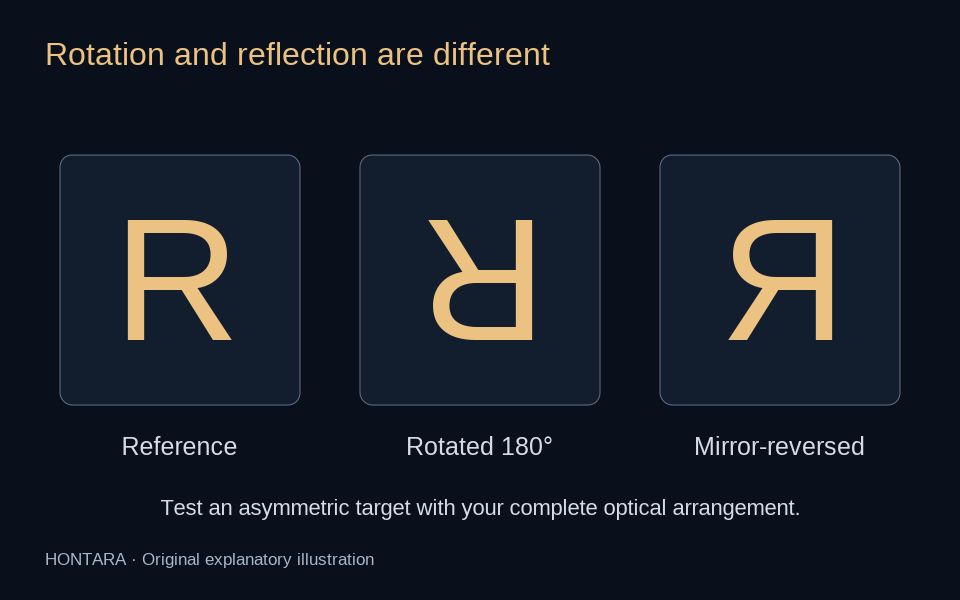
The nearest-looking dot is not always Io. A moon farther out in its orbit can appear close to Jupiter from our line of sight. Compare your pattern with a chart for the exact time and use the orientation of your telescope. Some views rotate the scene or mirror it.
Follow the pattern over two evenings
Draw Jupiter as a circle with dots in their observed positions. Put the time and time zone next to the drawing and mark which way the scene drifts with tracking turned off. Try again an hour or two later or the next evening. Check the two drawings against a time-matched chart before adding moon names.
If the only change is a dot appearing or disappearing beside the disc, that is still worth recording. The same method helps rule out a background star, which keeps its position relative to neighbouring stars while the moons move around Jupiter.