On this page
Three pre-monsoon viewing windows in 2027
In each window the Moon is below the horizon and the core stays at least 20° up. All three windows start at or after midnight in IST. To check the sky for one of these sessions, open the evening that comes before it.
| Date | Viewing window (IST) |
|---|---|
| 8 Mar | 03:45 to 05:30 |
| 7 Apr | 01:45 to 05:00 |
| 7 May | 00:00 to 04:45 |
Pick a dark, clear night
For other dates, start around new Moon or look for a dark stretch after moonset or before moonrise. A clear early October evening can offer a short view low in the southwest. Check that the core is still up once the sky is fully dark.
Choose a spot you can safely access after dark with an open view to the south. Nearby lights, haze and trees can hide the band even when the weather forecast looks promising.
Where to look in the sky
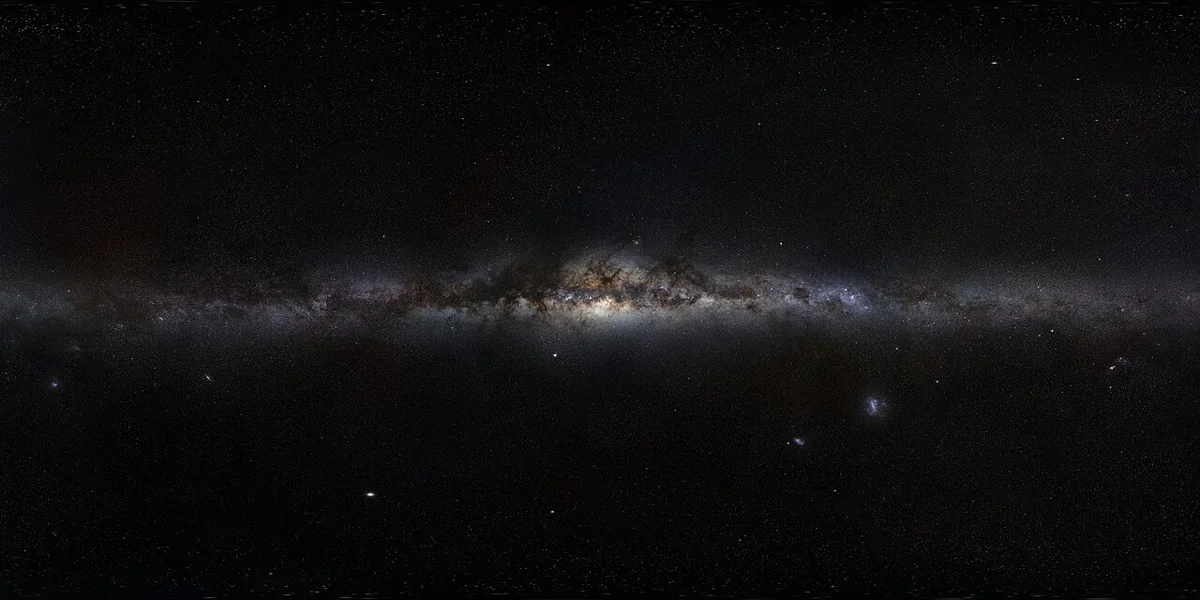
The core rises in the southeast, passes highest in the south and drops toward the southwest. Look for the reddish star Antares in Scorpius and the star pattern called the Teapot in neighbouring Sagittarius. The glow is brightest in that part of the Milky Way.
The Teapot is easiest to recognise as a group of stars once you have found Antares. On clear winter evenings, when the bright core is out of view, try the fainter part of the Milky Way band near Auriga.
What the Milky Way looks like to your eyes
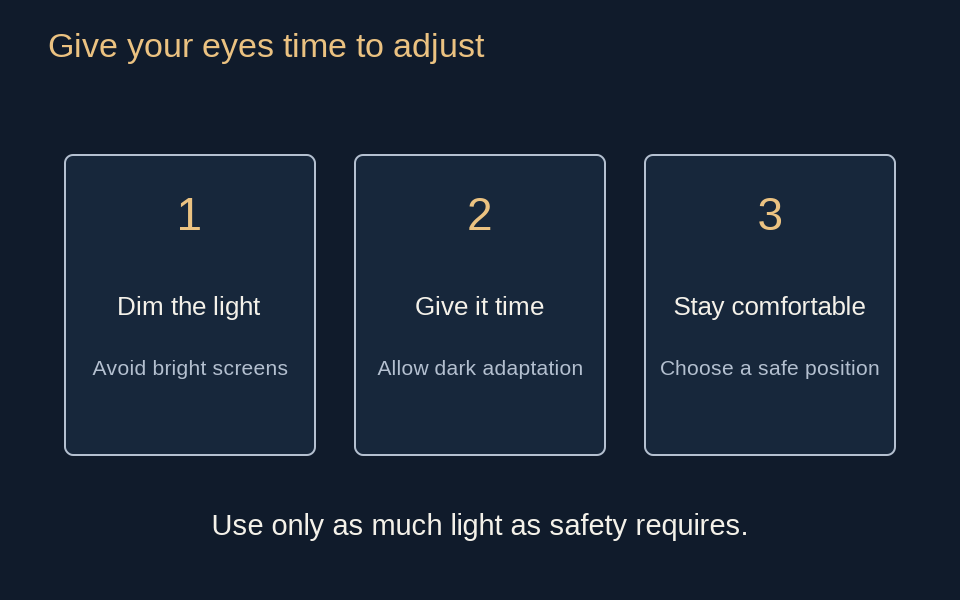
Give your eyes about 30 minutes to adjust to the dark. Look for a broad, uneven grey glow with darker lanes. The glow comes from the many stars in the disk of our galaxy and the dark lanes are clouds of dust. As the sky turns, the band stays lined up with the same stars. Passing clouds change shape and can cover those stars.
Start with your eyes because they take in a wide stretch of sky. Long-exposure photographs show far more colour and detail. A faint grey band is a good first view.
How we worked out the windows
We used 14.3° N and 74.4° E as a reference for Honavar and Sagittarius A* as a marker for the core. We checked Sun and Moon positions with NASA JPL Horizons. The Sun is at least 18° below the horizon throughout the listed windows. We used 20° as a practical minimum height for the core to give it some clearance above haze and obstructions.