On this page
How to pick a night
- Check clouds after sunset. Look at the hourly forecast for the time you’ll be outside and check it again on the day.
- For craters, try an evening when a waxing crescent or first-quarter Moon is up. For faint targets such as the Milky Way, choose a dark spot and a time when the Moon is below the horizon.
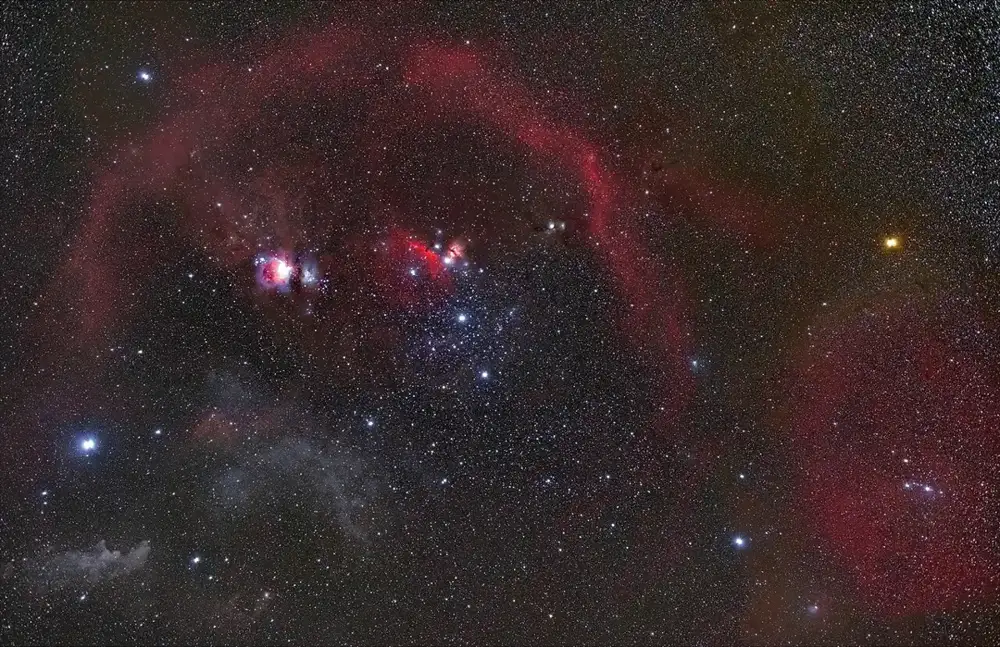
- Check that your target is up. Set your sky map to Honavar and the date and time you want to observe. For a January evening, try spotting the three stars of Orion’s Belt without a telescope.
Honavar cloud cover by month
The India Meteorological Department measured these historical monthly averages at 5:30 pm IST in Honavar. Lower values mean less cloud. On the 0 to 8 scale, 0 means clear and 8 means fully overcast.
June to September had the most cloud in these records. Use the chart to shortlist a month and the hourly forecast to choose a night.
| Month | Average cloud cover (0 to 8) |
|---|---|
| Jan | |
| Feb | |
| Mar | |
| Apr | |
| May | |
| Jun | |
| Jul | |
| Aug | |
| Sep | |
| Oct | |
| Nov | |
| Dec |
Stargaze at HONTARA
HONTARA in Honavar welcomes everyone for stargazing by advance appointment, weather permitting. Email Honavar Foundation with your preferred dates and how many people are coming. If you’re travelling, confirm your session before booking your stay and keep a backup evening if you can.