On this page
Two ways to count full Moons
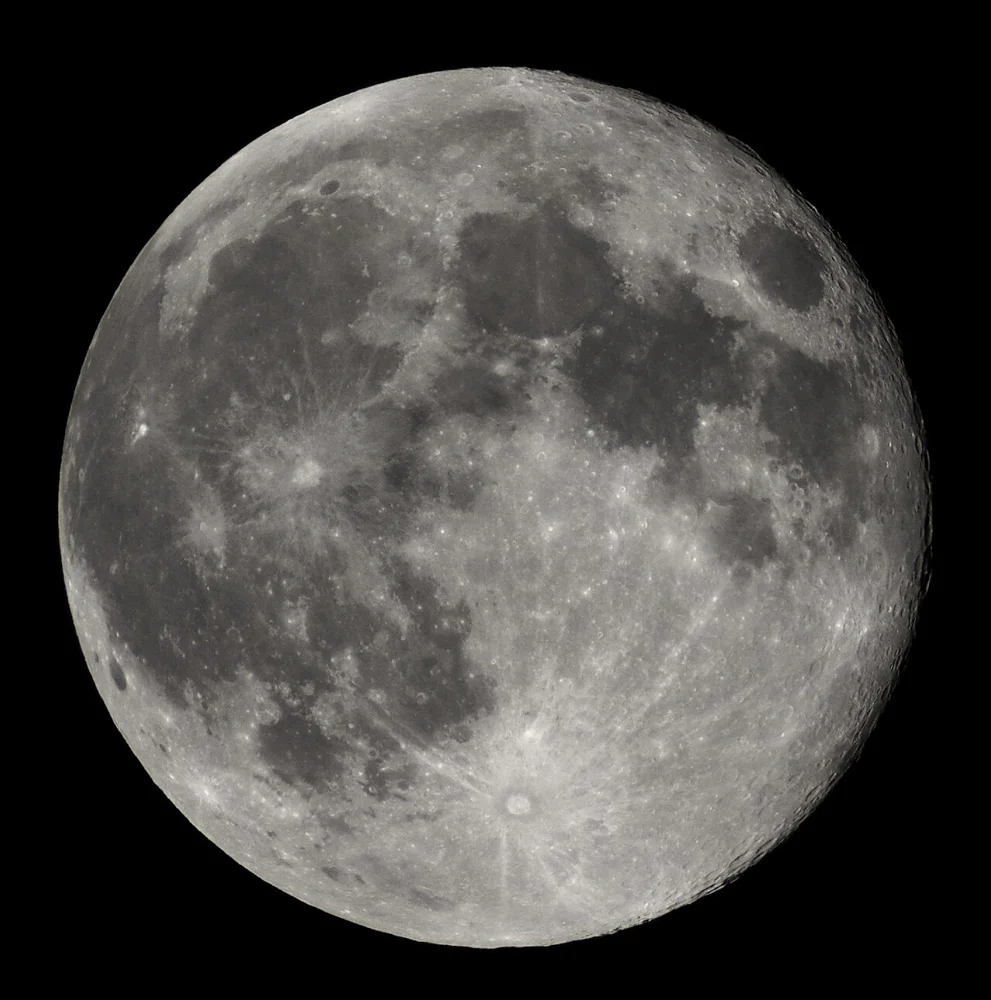
About 29.5 days pass from one full Moon to the next. Months with 30 or 31 days can fit two. The first one has to fall early enough that the next one still fits before the end of the month. February is too short for two full Moons.
For the seasonal definition, count full Moons between an equinox and a solstice or between a solstice and an equinox. If there are four in that interval, the third one has the label. The two ways of counting can give different dates.
Why the time zone matters
Full Moon is an instant. That instant is the same worldwide, but its local date can differ if it occurs near midnight. A full Moon at 20:00 UTC on the last day of a month falls at 01:30 IST the following day, which can change the month you count it in.
May 2026 offers a worked example in Indian Standard Time. The full Moon on 31 May was the second that month. The listed times mark the full phase. To see it from your town, check when the Moon rises around the event.
| Full Moon | Date and time in IST |
|---|---|
| First in the month | 1 May 2026 at 22:53 |
| Second in the month | 31 May 2026 at 14:15 |
Blue moon, supermoon and blood moon
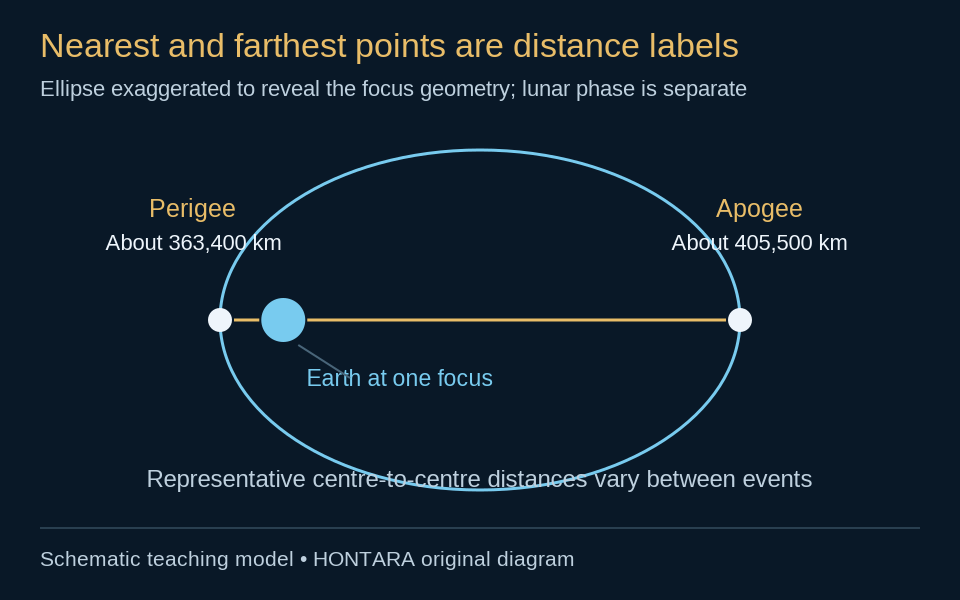
Blue moon describes a calendar count. Supermoon describes a full Moon near the closer part of its orbit. Blood moon is a popular name for the reddish Moon during a total lunar eclipse. A full Moon can meet more than one of these descriptions if the dates and positions coincide.
For ordinary viewing, look for an open horizon around moonrise. The Moon will look nearly full for more than one night, so clouds on the exact date need not spoil the view.