On this page
When to watch on 14 December 2026
The International Meteor Organization predicts peak activity around 7:30 pm IST on 14 December. The Moon will still be up in the cities below. Later in the evening, the crescent sets and Gemini climbs higher, giving you a better view.
Use these suggested start times on Monday evening. If conditions are good, watch until around 1:30 am on Tuesday 15 December. Moonset times assume a level horizon.
| Location | Moonset | Start watching |
|---|---|---|
| Honavar | 10:31 pm | 10:45 pm |
| Bengaluru | 10:19 pm | 10:30 pm |
| Mumbai | 10:32 pm | 10:45 pm |
| Delhi | 10:03 pm | 10:15 pm |
| Kolkata | 9:24 pm | 9:30 pm |
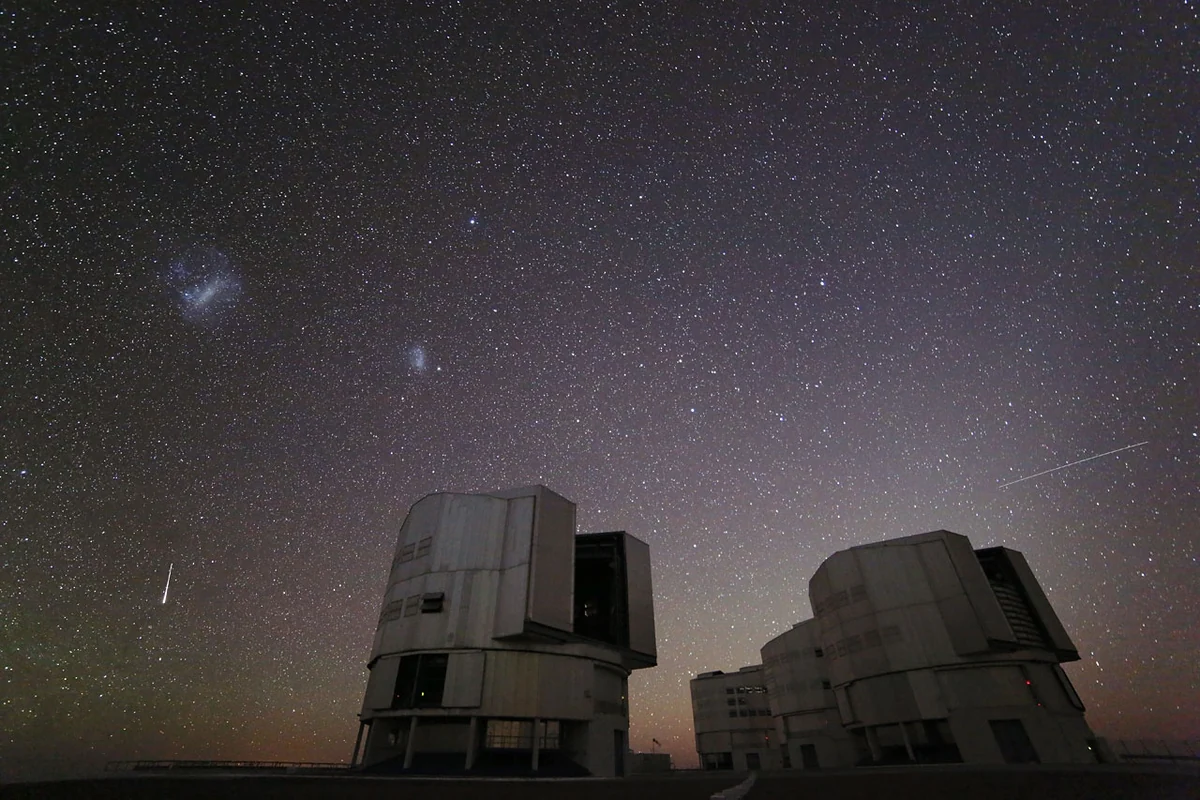
An earlier backup if clouds are forecast
Try 2:30 to 4:30 am IST on Monday 14 December. That means going out late Sunday night or getting up early Monday. The Moon will be down and Gemini will be high in all five locations. The exact peak can shift, so a clear view on either night is worth using.
Check cloud cover for the actual hours you plan to watch. In Honavar, use the night-sky planner on the viewing night. If clouds cover most of the sky, wait for a clear spell or try the other window.
Where to look for Geminids
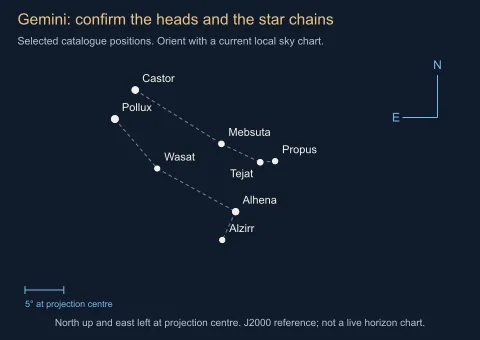
Look high in the darkest part of the sky with as wide a view as possible. Geminids can streak across any part of the sky. Their trails appear to spread out from a point in Gemini called the radiant.
In Honavar, look east-northeast late in the evening to find Gemini. Its two bright stars Castor and Pollux make a useful landmark. Once you know where Gemini is, let your eyes take in a much wider area.
How to give yourself a better chance
Choose a safe spot away from streetlights. Give your eyes about 30 minutes to adjust and spend at least another half hour watching. Your eyes take in more of the sky than binoculars or a telescope.
Meteor activity comes in bursts. Cloud, haze and city lights can hide fainter meteors, so use the forecast to choose your time and give yourself a chance to see the brighter streaks.