On this page
THE BIG IDEAS
- Forecast rates describe particular observing conditions.
- Unaided eyes provide the wide field needed for meteor watching.
- Record actual conditions when comparing your count with predictions.
What creates a shower
A meteor shower occurs when Earth encounters a stream of debris, often left along a comet’s orbit. Small particles entering the atmosphere create the luminous events we call meteors. The apparent radiant is the point in the sky from which the shower’s tracks seem to diverge.
The radiant is a perspective effect. The meteors are not flying out of the constellation containing that point and the stars in the constellation are not the source of the debris.
Read a rate with its conditions
A quoted shower rate may assume a very dark sky, a high radiant and unobstructed observing. Your count can be lower because of moonlight, clouds, light pollution, a low radiant or time spent looking away. A prediction is not a guarantee of one meteor at regular intervals.
The peak can also be broad, narrow or uncertain. Read the accompanying explanation rather than only the headline number. Convert any quoted peak time to your local time zone and check whether it occurs during darkness at your location.
Plan for a wide view
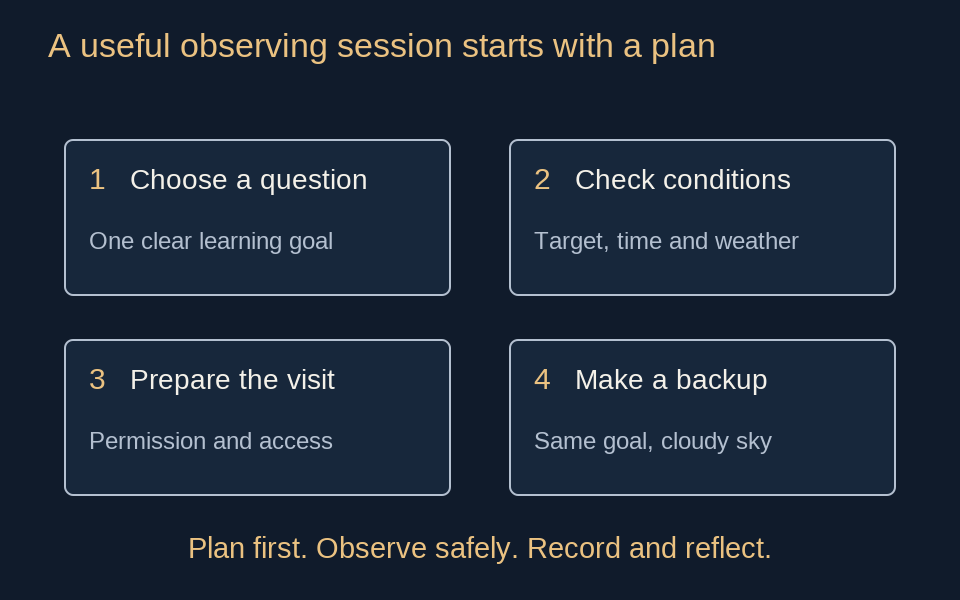
Meteor observing usually works best with unaided eyes and a broad area of sky. Telescopes and binoculars show too small a field for a general meteor watch. Choose a safe place, obtain permission where necessary and bring clothing appropriate for the conditions. Children should observe with a responsible adult.
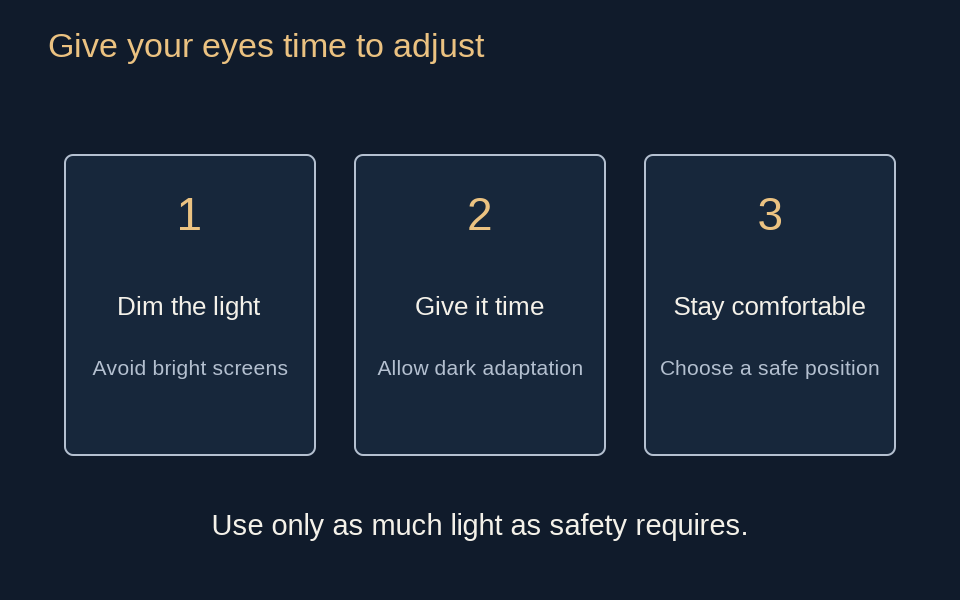
Let your eyes adjust to the dark and avoid repeatedly checking a bright screen. You do not need to stare exactly at the radiant. Long trails may appear elsewhere and a comfortable viewing direction away from glare can be more useful.
Record what you actually observed
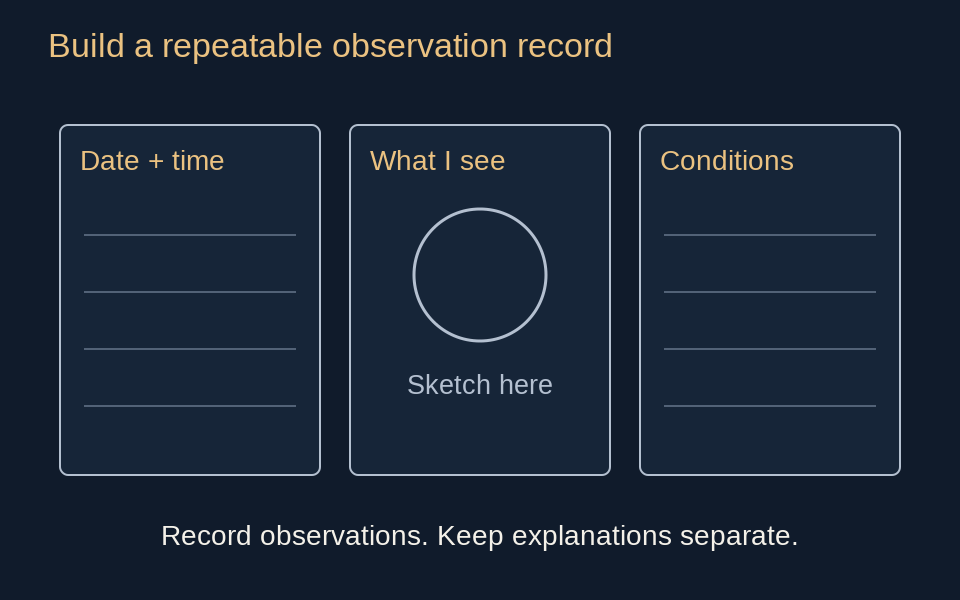
Note the start and end time, breaks, cloud cover, limiting visibility and number of meteors seen. Separate likely shower members from uncertain events if you can, but do not force an identification. Aircraft, satellites and brief reflections can be mistaken for meteors by beginners.
Compare your record with the forecast while accounting for conditions. A modest count can still support an excellent lesson about predictions, sampling and uncertainty. Check a current specialist calendar before selecting a date; this resource explains how to interpret one rather than listing a year’s peaks.
Decode ZHR before reading the headline rate
ZHR means zenithal hourly rate. It describes shower activity standardised to an idealised dark sky with the radiant overhead. It is not a personal count promised to every observer. A lower radiant, moonlight, haze, obstructions and time spent looking away reduce what you can detect.
For example, a hypothetical forecast of ZHR 100 does not predict that you will count 100 meteors from a brightly lit garden. Record your actual observing duration, breaks, sky conditions and count. Compare the circumstances before comparing the numbers. The example is about reading a forecast, not predicting a particular shower.
PAUSE AND THINK
A forecast says 100 meteors per hour. Does that promise you will see 100?
Explore the answer
No. It may describe idealised conditions. Your local darkness, radiant height, weather, field of view and observing time all affect the count.