Missions and observatories
XPoSat: studying X-ray polarisation
Explore how an Indian space observatory combines timing, energy and polarisation to investigate high-energy sources.
Beginner6 min

HONTARA
Explore spacecraft missions and observatories that changed how we understand space.
← All collections43 resources
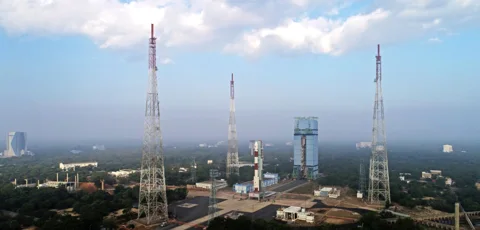
Explore how an Indian space observatory combines timing, energy and polarisation to investigate high-energy sources.
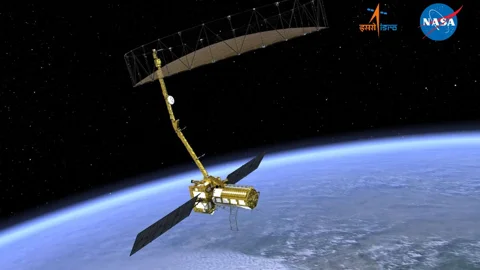
See how a radar observatory turns repeat measurements into evidence about the changing surface of our planet.
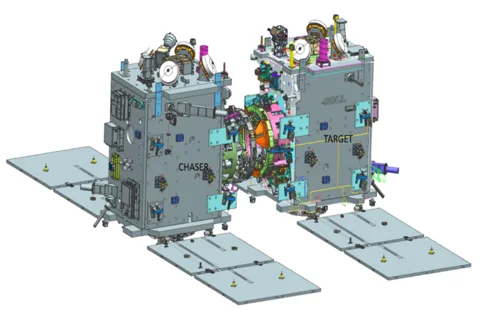
Follow the difference between approaching, connecting and operating two spacecraft together.
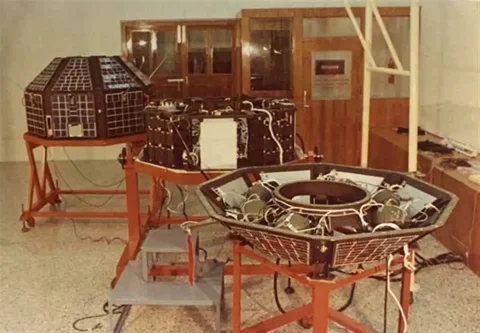
Read the first Indian satellite as an engineering and scientific mission with separate kinds of success and limitation.
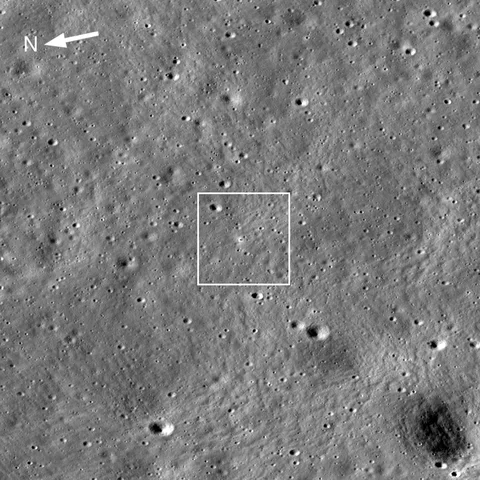
Chandrayaan-1 mapped the Moon from orbit and found evidence of water-related material. Chandrayaan-2 added a landing attempt and returned science from its orbiter. Chandrayaan-3 landed and operated a rover.
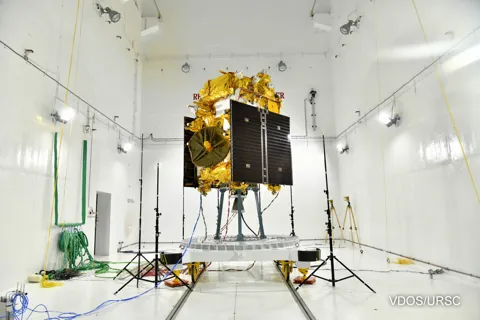
ISRO’s Aditya-L1 watches the Sun from near the Sun–Earth L1 point. NASA’s Parker Solar Probe makes close passes through the Sun’s outer atmosphere to sample fields and particles there.
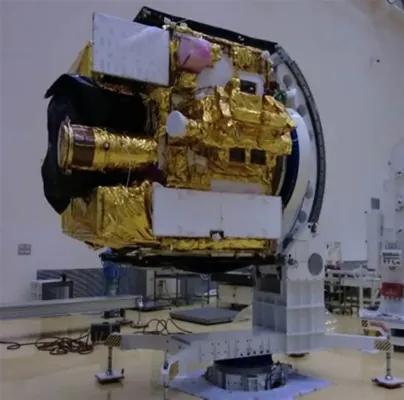
AstroSat studies objects across several wavelengths, including ultraviolet and X-rays. XPoSat is designed to measure X-ray polarisation, with a second instrument for spectra and changes over time.
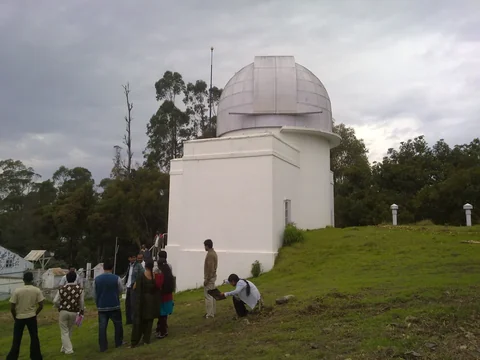
Plan a visit to Kodaikanal Solar Observatory in Tamil Nadu. Check museum hours, the evening skywatch and how to book a school or group visit.
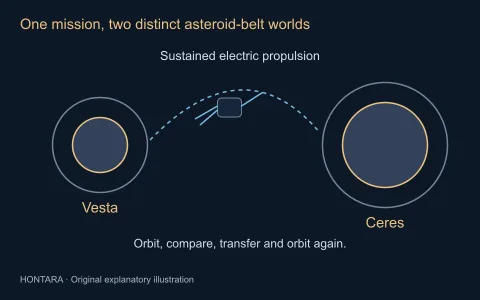
Follow a two-destination mission that connected efficient propulsion with evidence about two different early worlds.
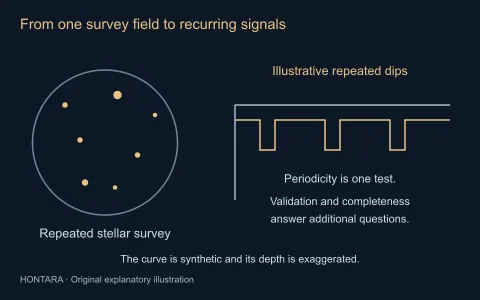
Explore how a long stellar survey supported statistical planet questions while preserving the difference between a candidate and a confirmed world.
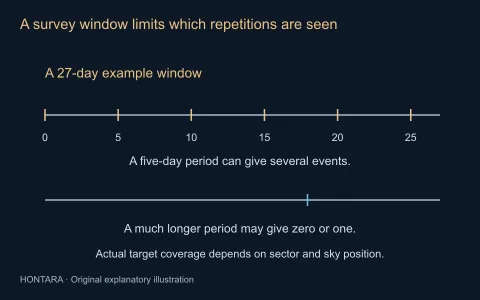
Connect a wide stellar survey with the complementary measurements needed to investigate individual planet candidates.
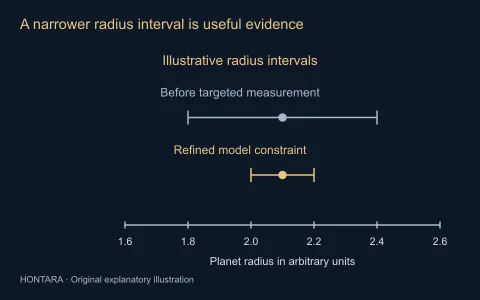
Follow how careful transit photometry improves planetary size estimates and the questions that remain after a precise radius.
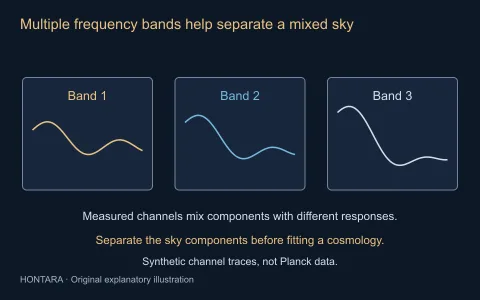
Distinguish a measured multi-frequency sky from the foreground separation and cosmological inference built from it.
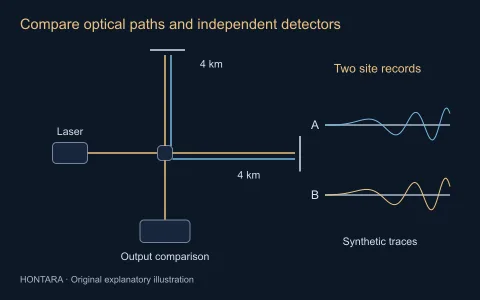
Explore a ground-based observatory whose discovery depended on matched measurements and careful rejection of instrumental explanations.
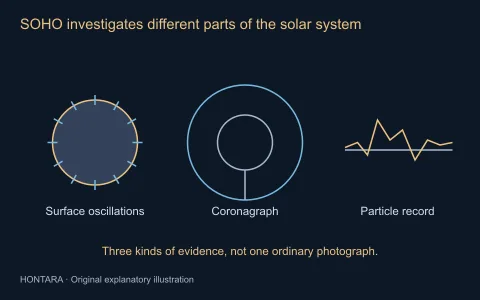
Connect helioseismology, coronal imaging and particle measurements without treating all solar products as ordinary photographs.
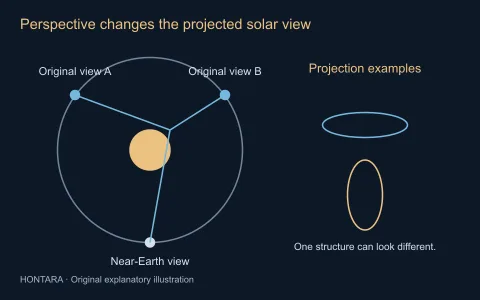
Use the mission’s changing viewpoints to separate a projected solar image from the three-dimensional structure it can help constrain.
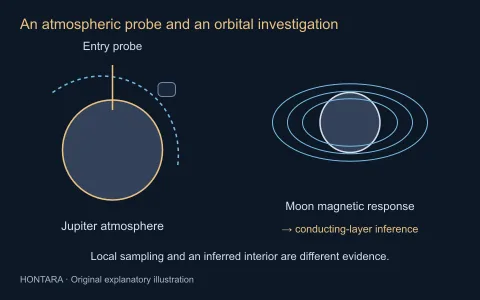
Distinguish atmospheric sampling, repeated orbital measurements and the evidence behind an ocean-world interpretation.
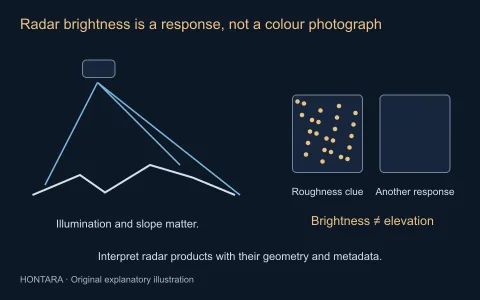
Explore how radar mapping revealed terrain while preserving the difference between radar brightness, elevation and visible colour.
Find observatories in India with public night viewing, daytime tours and school visits. Includes photos and official visitor links.
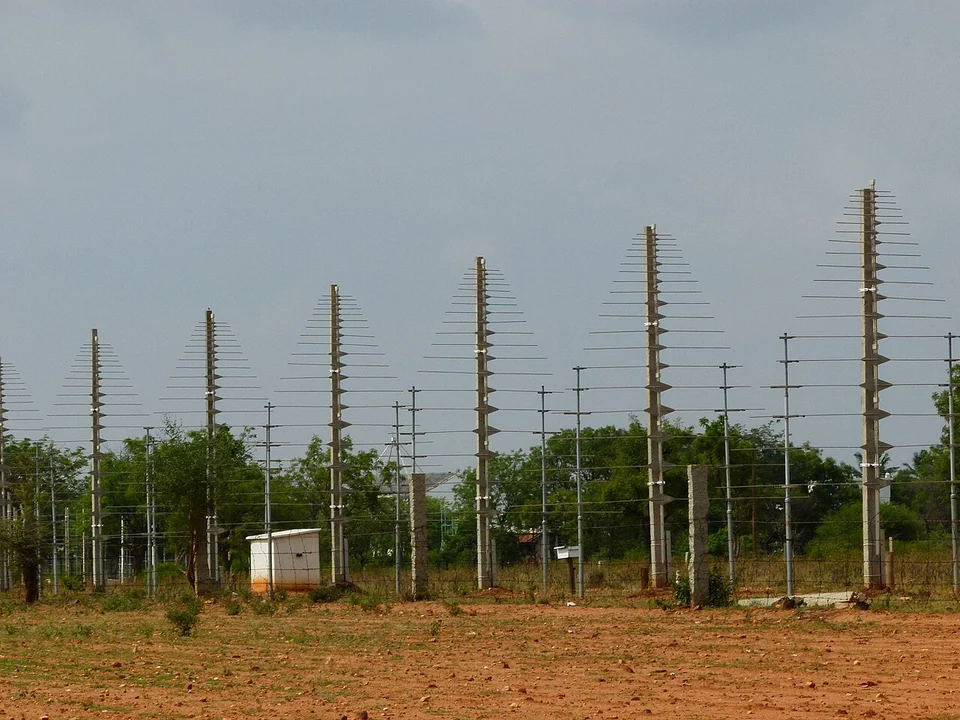
How to visit Gauribidanur Radio Observatory in Karnataka. Find public tour days, how far ahead to apply and what to expect on site.
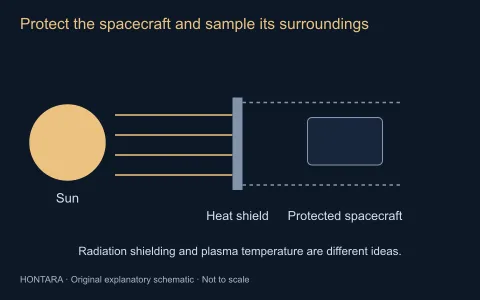
Connect close solar encounters, a heat shield and local plasma measurements to the questions about the solar wind.
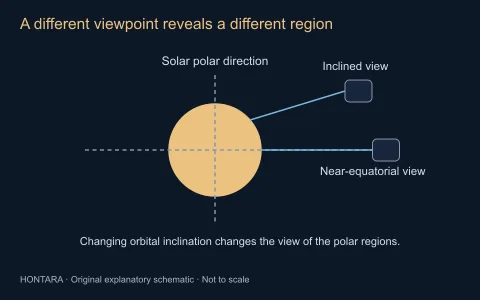
See how viewing angle and different instrument types combine to investigate the Sun and its surroundings.
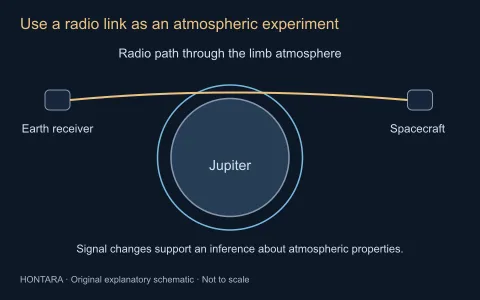
Follow how gravity, microwave observations and radio signals reveal a giant planet beneath its visible clouds.
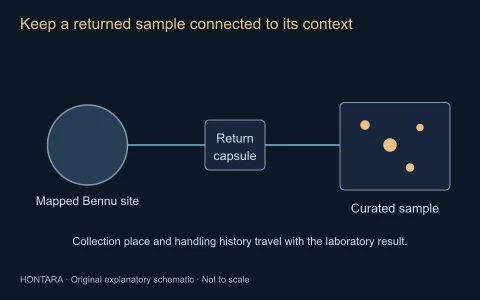
Connect Bennu’s mapped surface with material that can be examined in laboratories on Earth.
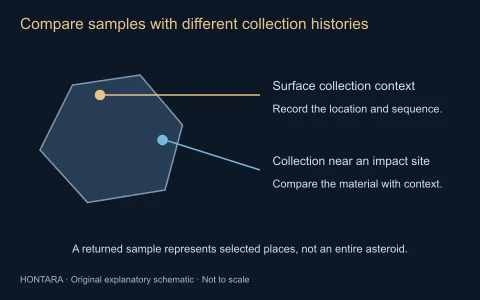
Explore why measurements around Ryugu and carefully returned grains answer different parts of the same scientific question.
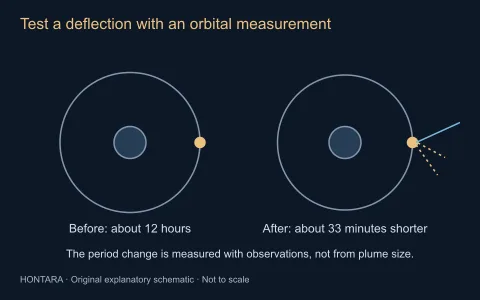
Follow an experiment from a deliberate spacecraft impact to a measured change in an asteroid moonlet’s orbit.
Explore India’s first lunar mission and the value of observing one world in several ways.
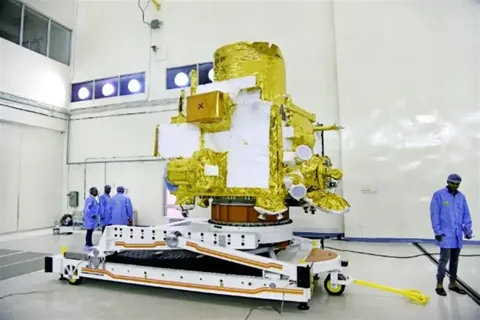
Understand why the orbiter and landing attempt tell different parts of one mission’s story.
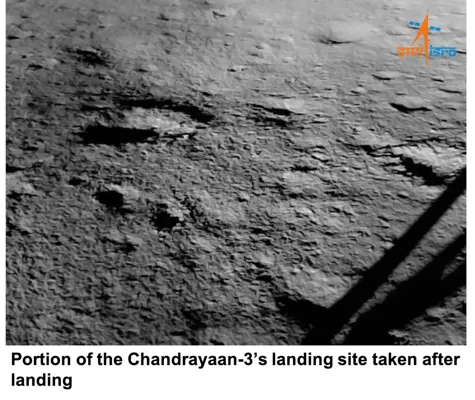
Follow the engineering and surface experiments behind India’s 2023 lunar landing.
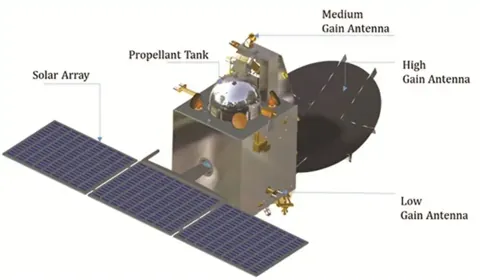
Explore the navigation and scientific aims of India’s Mars Orbiter Mission.
Learn why a solar observatory measures both sunlight and particles near Earth.
Discover why simultaneous ultraviolet and X-ray observations matter.
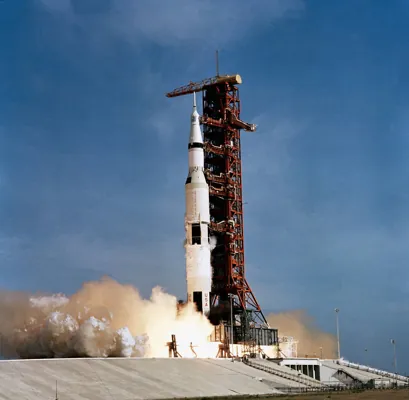
Examine the stages that made the first crewed lunar landing possible.
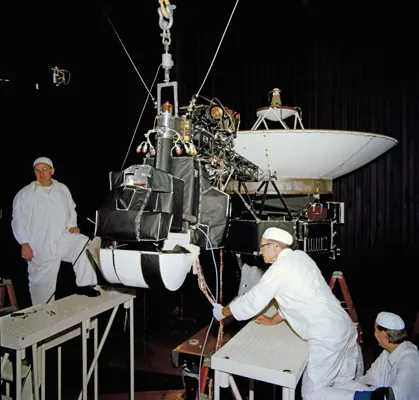
Follow two spacecraft from planetary encounters to the boundary of the Sun’s particle environment.
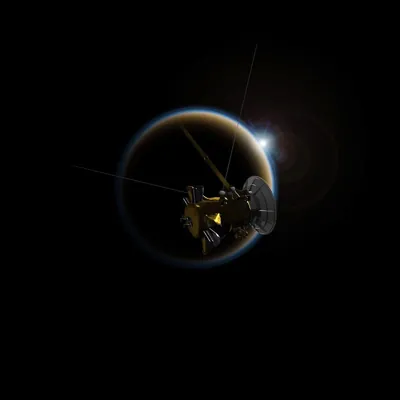
Explore what a long-lived orbiter and a descending probe learned together.
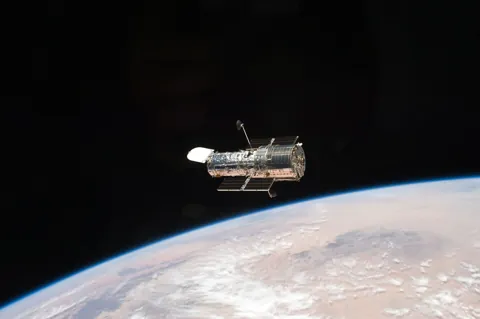
Learn what space-based observing makes possible and why calibration still matters.
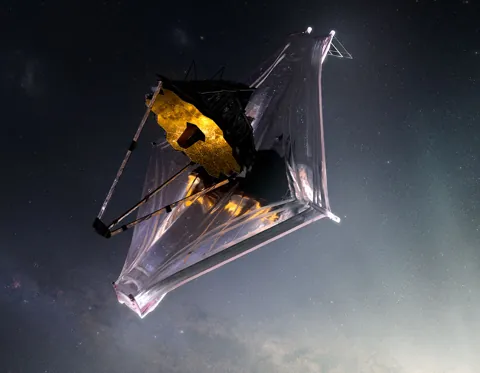
Understand the mirror, sunshield and wavelength choices of the James Webb Space Telescope.
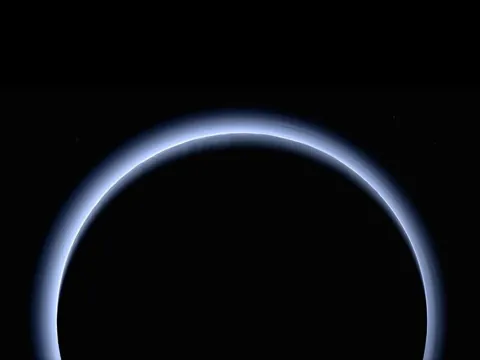
Discover what a carefully planned flyby can reveal about distant small worlds.
NASA/Johns Hopkins University Applied Physics Laboratory/Southwest Research Institute
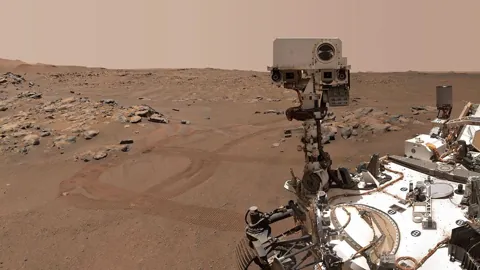
Learn how a rover investigates ancient environments and collects samples.
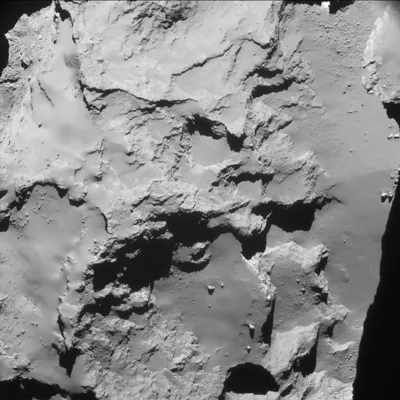
See why following a comet through its changing activity reveals more than a brief flyby.
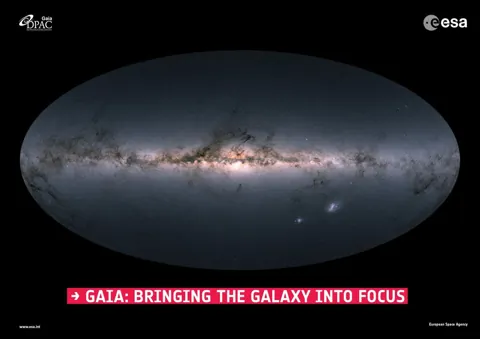
Understand how precise stellar positions become a three-dimensional map.
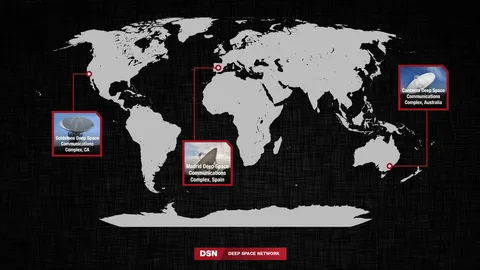
NASA’s Deep Space Network uses large radio antennas at three sites around Earth to send commands, receive data and track spacecraft far beyond Earth orbit.
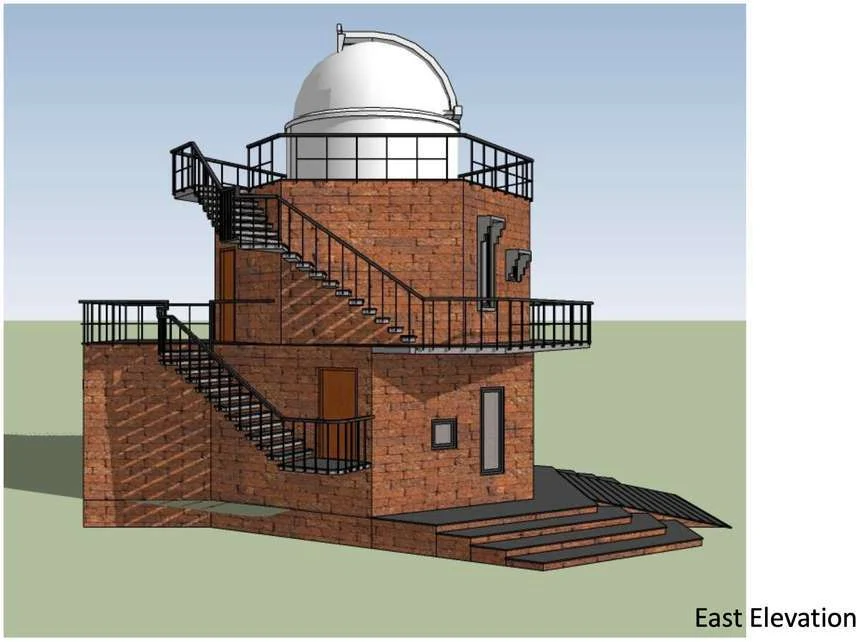
Plan a weekend trip from Bengaluru to HONTARA in Honavar. Stargazing is open to everyone by advance appointment, weather permitting.
No resources match that search. Try fewer words or clear the filters.