On this page
Why they observe from different places
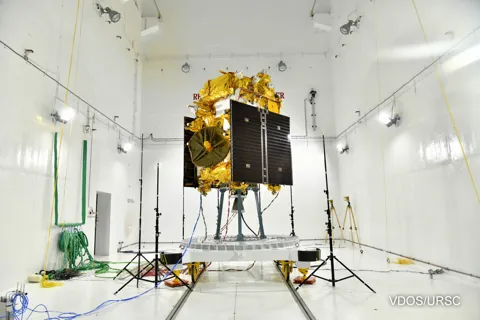
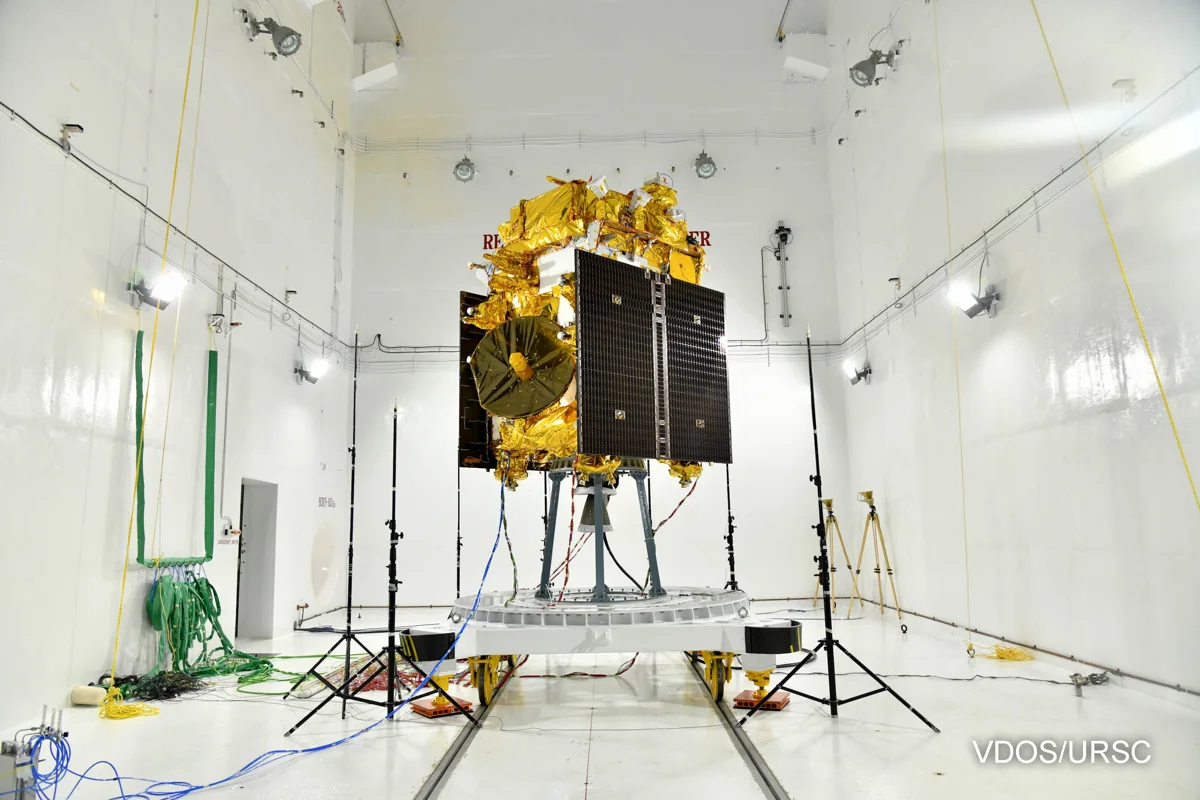
Aditya-L1 follows a halo orbit around a point roughly 1.5 million km from Earth toward the Sun. From there its telescopes can keep watching the Sun without ordinary Earth eclipses. Its coronagraph blocks the bright solar disc to reveal the much fainter corona.
Parker follows an elongated orbit around the Sun. On its 24 December 2024 close pass it came within about 6.1 million km of the solar surface. That path lets it sample the environment near the region where the solar wind forms and begins to accelerate.
| Feature | Aditya-L1 | Parker Solar Probe |
|---|---|---|
| Vantage point | Halo orbit around Sun–Earth L1, relatively close to Earth. | Repeated close approaches on a highly elliptical solar orbit. |
| Camera example | VELC looks at the corona. | WISPR images the corona and the outflow as seen from close to the Sun. |
| Local measurement | Particles and magnetic fields near L1. | Particles and electromagnetic fields along the solar orbit. |
What each probe adds to a solar-wind study
A camera records light across a broad scene. A particle detector or magnetometer samples conditions where the spacecraft passes. Both missions carry instruments for types of remote and local measurements, but the samples come from very different distances.
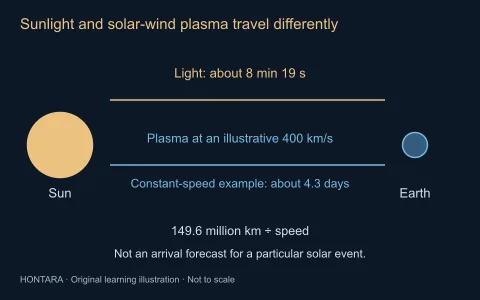
Imagine a disturbance moving outward from the Sun. A wide view helps establish where it starts and how it spreads. A close passage can measure the plasma and fields near their source. Measurements from well away from the Sun show how the disturbance looks farther along its path.
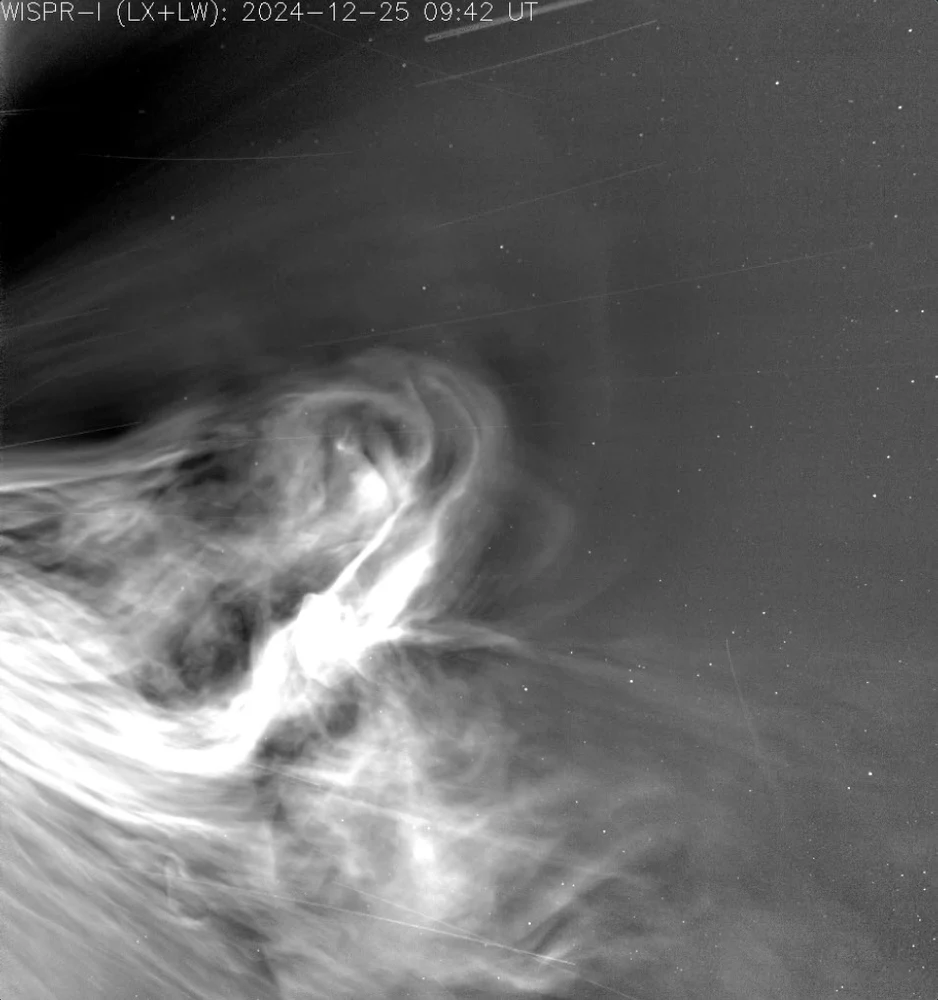
Which mission would you use for which question?
To follow the corona over many hours from a consistent viewpoint near Earth’s distance, start with Aditya-L1. To measure particles and magnetic fields very close to the Sun, use Parker’s close-pass measurements. To link observations from both spacecraft, check their positions, the time the disturbance takes to travel and whether their instruments could have sampled the same structure.