On this page
Visitor information
Confirm visiting hours and booking requirements with the operator before travelling.
| Observatory and location | Research or education | Public visits | Night visits |
|---|---|---|---|
| Indian Astronomical ObservatoryHanle, Ladakh | Optical and infrared | Apply at least 15 days ahead | Daytime tours only |
| Devasthal ObservatoryDevasthal, Uttarakhand | Optical and near-infrared | Educational visits by permission | See Manora Peak for stargazing |
| ARIES Manora Peak Science CentreNainital, Uttarakhand | Public astronomy and research | Public and school visits by application | After sunset, clear skies permitting |
| Udaipur Solar ObservatoryUdaipur, Rajasthan | Solar optical | Visits by request | No regular night visits listed |
| Jantar Mantar, JaipurJaipur, Rajasthan | Historic naked-eye observatory | Ticketed heritage visit | No night telescope programme listed |
| Vainu Bappu ObservatoryKavalur, Tamil Nadu | Optical astronomy | Saturday visits and stargazing | Saturday evenings, clear skies permitting |
| Kodaikanal Solar ObservatoryKodaikanal, Tamil Nadu | Solar optical | Solar museum and group visits | 6:30 to 7:30 pm. Confirm with IIA |
| Radio observatoriesMaharashtra, Karnataka and Tamil Nadu | Radio astronomy | Guided tours or outreach days | No viewing through radio telescopes |
| HONTARAHonavar, Karnataka | Astronomy education HONTARA is Honavar Foundation’s astronomy education initiative in Honavar, Karnataka. Stargazing is open to everyone by advance appointment, weather permitting. The planned observatory includes several telescopes for group learning. Explore HONTARA’s plans | ||
Observatory profiles
Indian Astronomical Observatory
Hanle, Ladakh · Optical and infrared
The Indian Institute of Astrophysics operates this high-altitude site on Mount Saraswati in the Hanle valley. The 2-metre Himalayan Chandra Telescope collects visible and near-infrared light. Researchers operate it remotely from the institute’s campus in Hosakote, Karnataka.
Visiting
IIA asks you to request a free daytime tour at least 15 days ahead. The programme includes an introduction to the Himalayan Chandra Telescope and a tour of the MACE facility. Public telescope viewing is unavailable on this tour. Use the institute’s separate Hanle Dark Sky Reserve guidance if you want to stargaze.
Devasthal Observatory
Devasthal, Uttarakhand · Optical and near-infrared
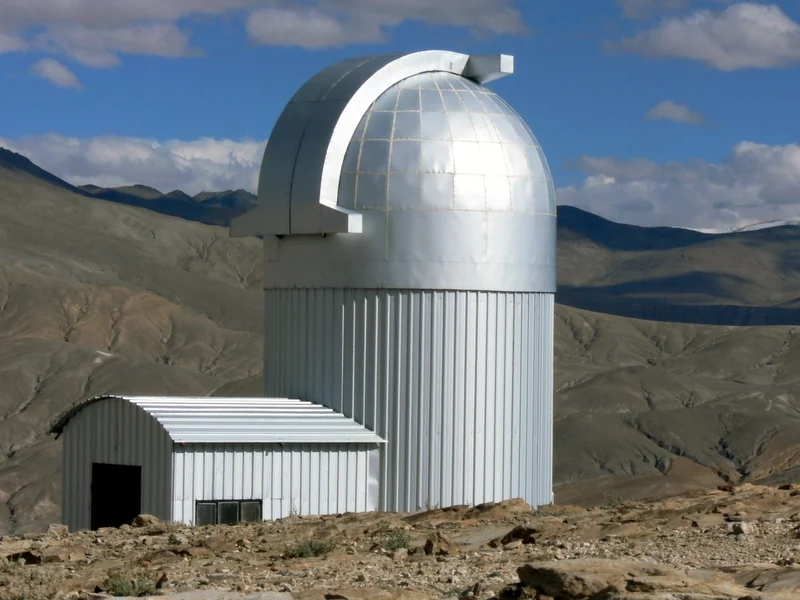
The Aryabhatta Research Institute of Observational Sciences operates the Devasthal site in the hills of Uttarakhand. Its 3.6-metre Devasthal Optical Telescope makes images and measures the spectra of faint objects. The site also houses the 4-metre International Liquid Mirror Telescope.
Visiting
School and college groups can request access to the Devasthal Science Centre. The two large telescopes are reserved for research. Families and other individual visitors can apply to visit the separate Manora Peak Science Centre near Nainital, which offers public observing with a visitor telescope.
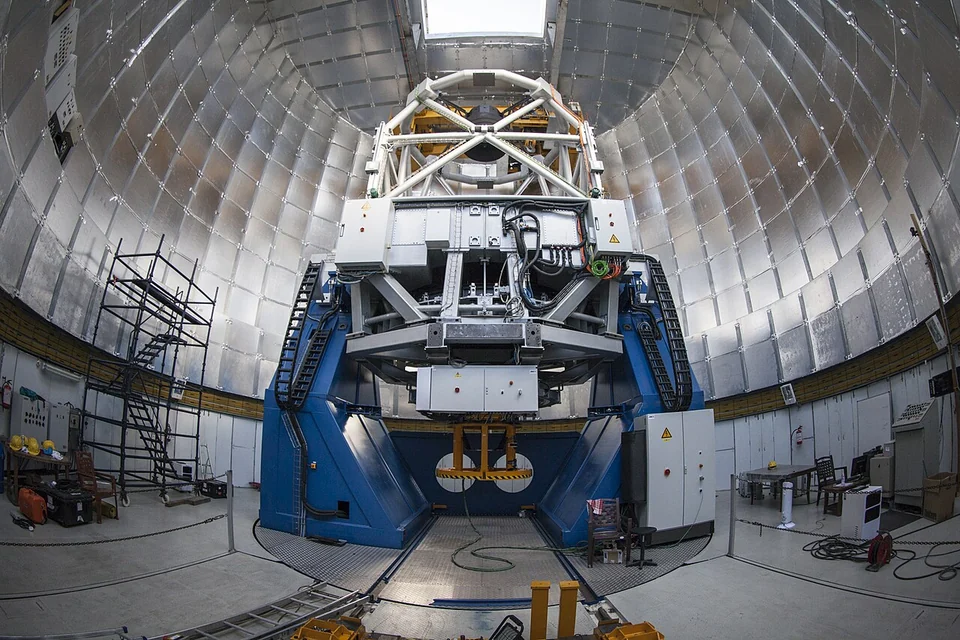
ARIES Manora Peak Science Centre
Nainital, Uttarakhand · Public astronomy and research
The Aryabhatta Research Institute of Observational Sciences runs the Manora Peak campus near Nainital. The campus houses the 104-centimetre Sampurnanand research telescope. The Science Centre offers a separate 14-inch telescope for public observing alongside daytime education activities.
Visiting
ARIES offers free evening sessions after sunset when skies are clear. Apply online before travelling and wait for confirmation. The centre is about 9 km by road from Nainital Bus Stand. The approach includes an uphill path and stairs.
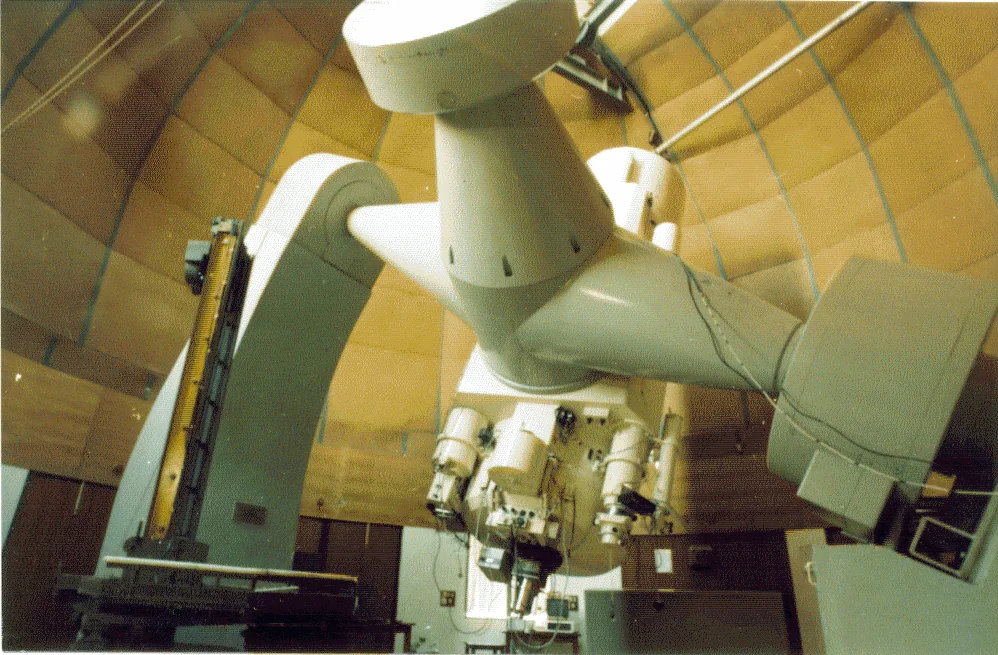
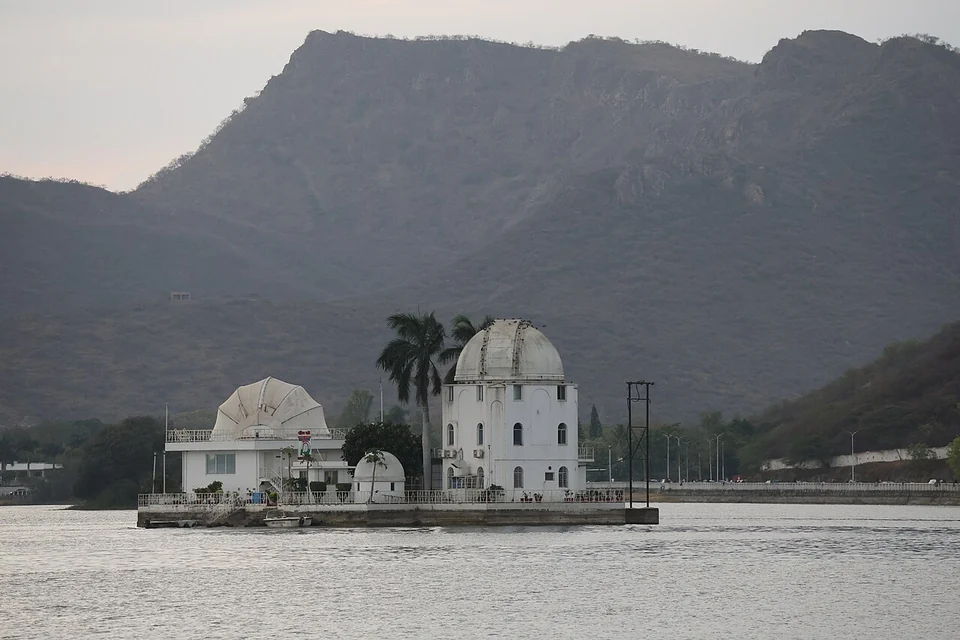
Udaipur Solar Observatory
Udaipur, Rajasthan · Solar optical
This Physical Research Laboratory observatory sits on an island in Fateh Sagar Lake. Its 50-centimetre Multi-Application Solar Telescope studies how magnetic fields change in active regions on the Sun. Those measurements help researchers investigate solar eruptions and the space weather they can cause.
Visiting
PRL accepts visit requests through its outreach programme. Schools can ask about talks and hands-on activities. The operator’s outreach page lists a June to October closure for observatory visits. Confirm access with PRL before making plans for the island site.
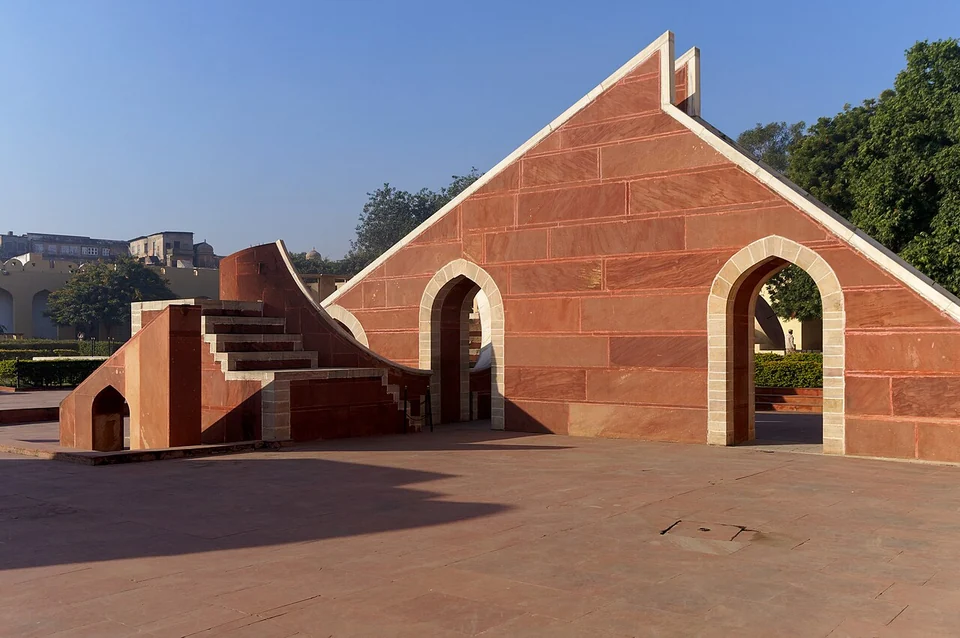
Jantar Mantar, Jaipur
Jaipur, Rajasthan · Historic naked-eye observatory
Built in the early 18th century for Sawai Jai Singh II, Jantar Mantar is a UNESCO World Heritage Site with large astronomical instruments made of masonry. The Samrat Yantra uses a shadow to measure local solar time. Other instruments were designed to measure the positions of objects in the sky.
Visiting
Rajasthan Tourism publishes ticket information and entry hours. Daylight helps you see how the instruments use shadows and graduated scales. The published visitor programme is for the historic monument.
Vainu Bappu Observatory
Kavalur, Tamil Nadu · Optical astronomy
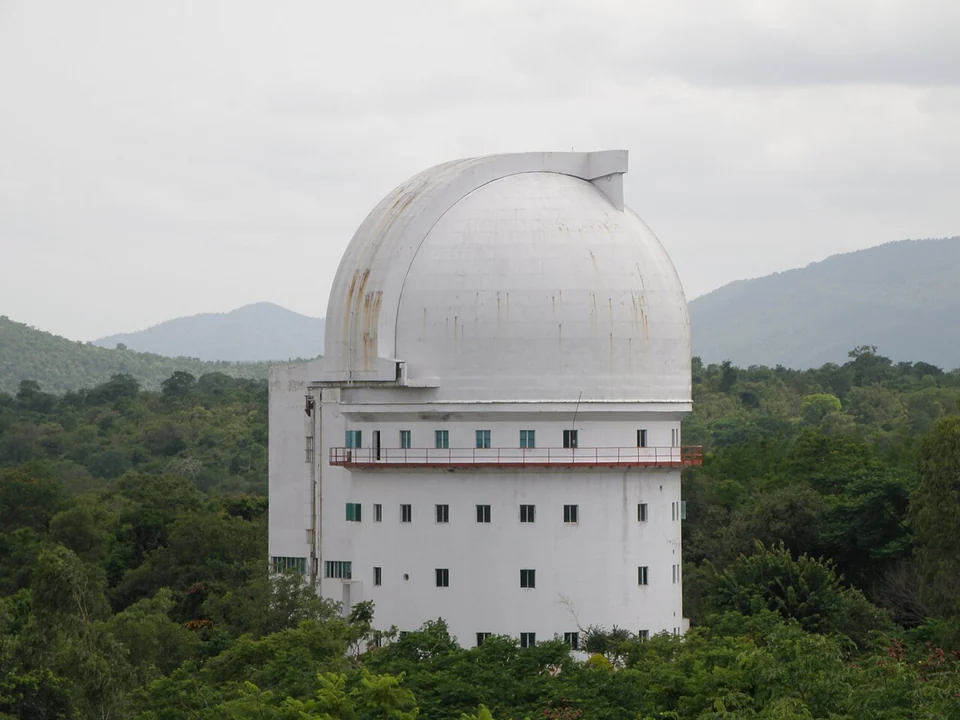
The Indian Institute of Astrophysics runs the Vainu Bappu Observatory in the Javadi Hills. Its 2.3-metre Vainu Bappu Telescope is a research instrument. The site also has a solar tower that uses mirrors to direct sunlight into the instrument.
Visiting
IIA lists public visits on Saturdays. If you are coming only for evening stargazing, the listed ticket window is 6:30 to 7:15 pm. Staff guide visitors in using smaller telescopes and binoculars when skies are clear. Check the current ticket window before travelling.
Kodaikanal Solar Observatory
Kodaikanal, Tamil Nadu · Solar optical
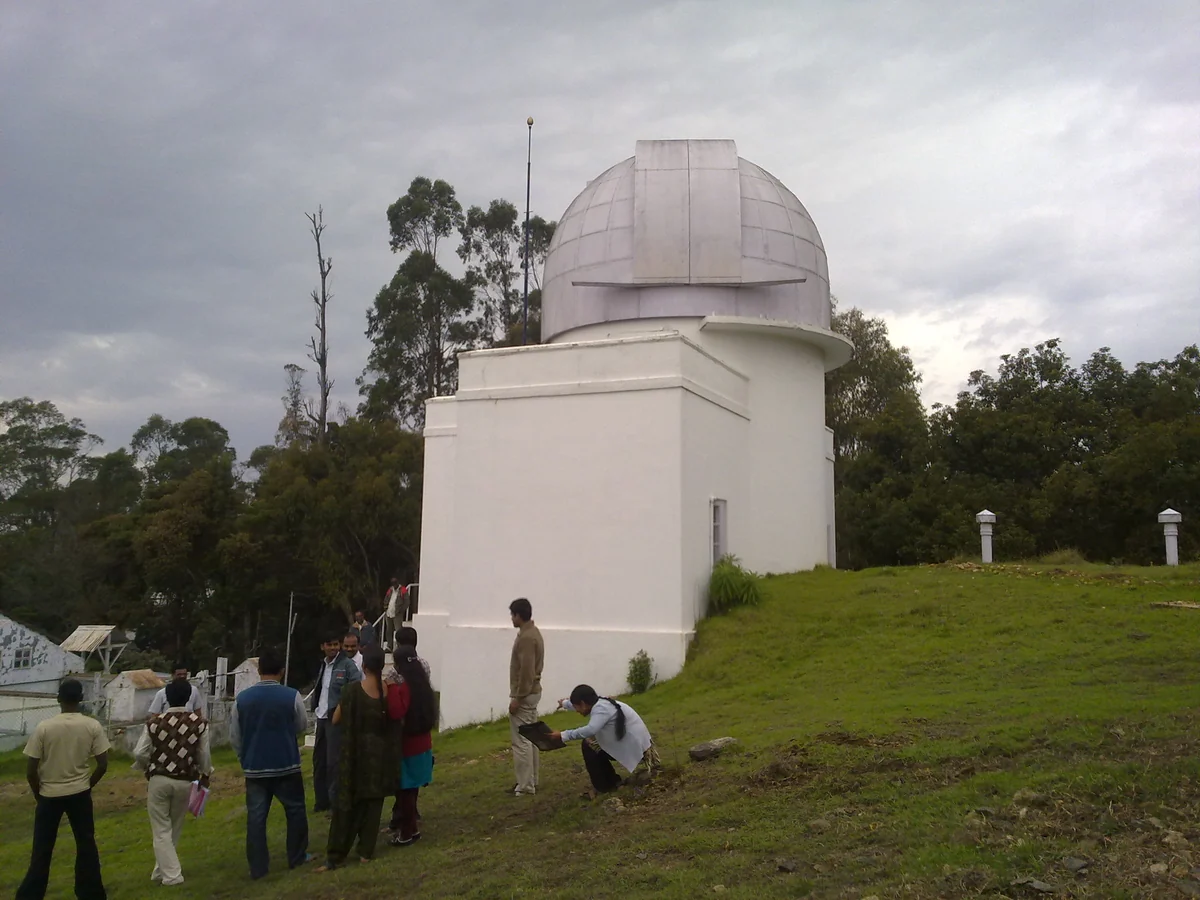
Founded in 1899 in the Palani Hills, Kodaikanal Solar Observatory has solar images dating back to 1904. Researchers use its digitised photographic plates to track changes in sunspots over decades. The archive includes images taken in several bands of light.
Visiting
The astronomy museum can show a live image of the Sun when observing conditions allow. Contact the Indian Institute of Astrophysics to confirm the evening skywatch or to arrange an educational group visit.
Radio observatories
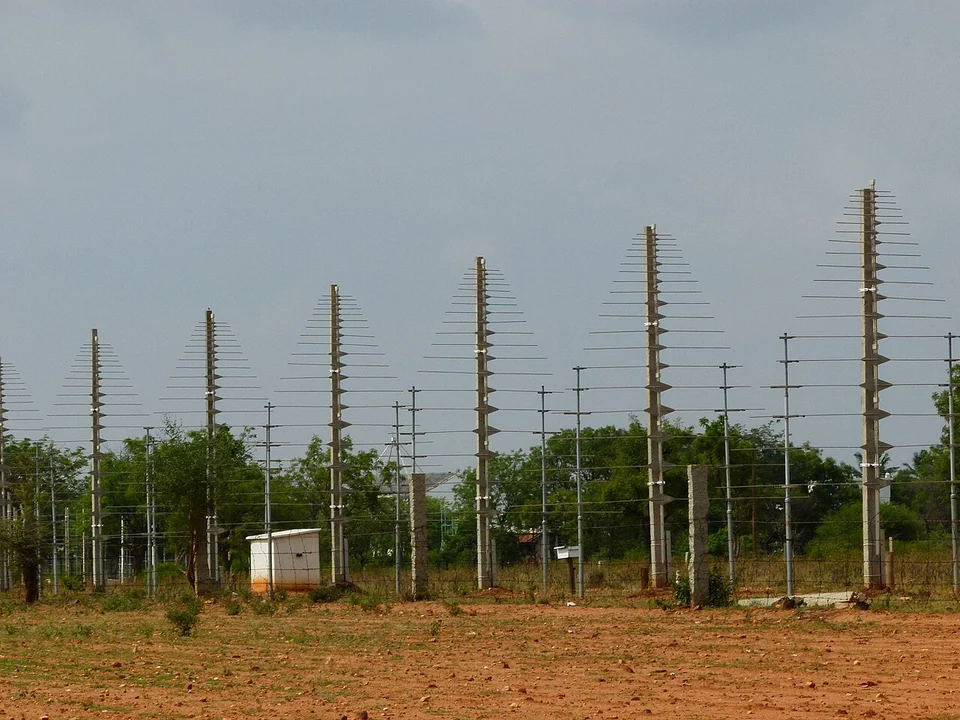
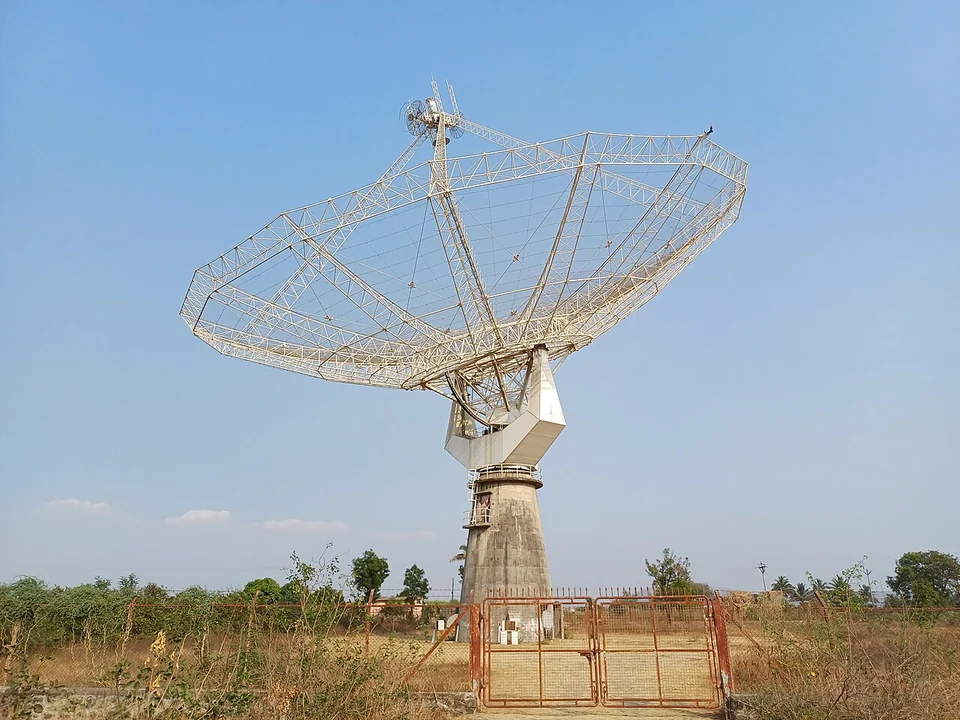
Radio telescopes record signals from space as data. A public visit is a chance to see the equipment. Giant Metrewave Radio Telescope in Maharashtra offers Friday tours by registration. Gauribidanur Radio Observatory in Karnataka takes requests for guided Tuesday visits. Ooty Radio Telescope in Tamil Nadu announces occasional outreach days.
Which observatory has the largest optical telescope in India?
Devasthal Observatory in Uttarakhand has two of India’s largest optical telescopes. The 3.6-metre Devasthal Optical Telescope can point at different parts of the sky. The 4-metre International Liquid Mirror Telescope observes the strip of sky that passes directly overhead as Earth turns.