On this page
Museum hours and evening skywatch
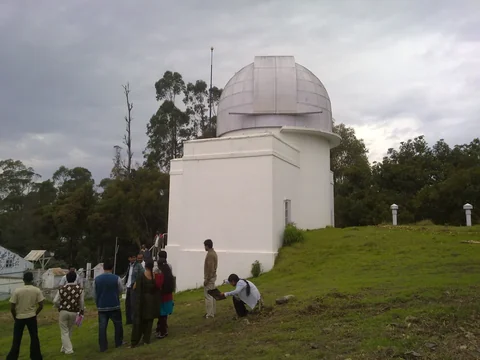
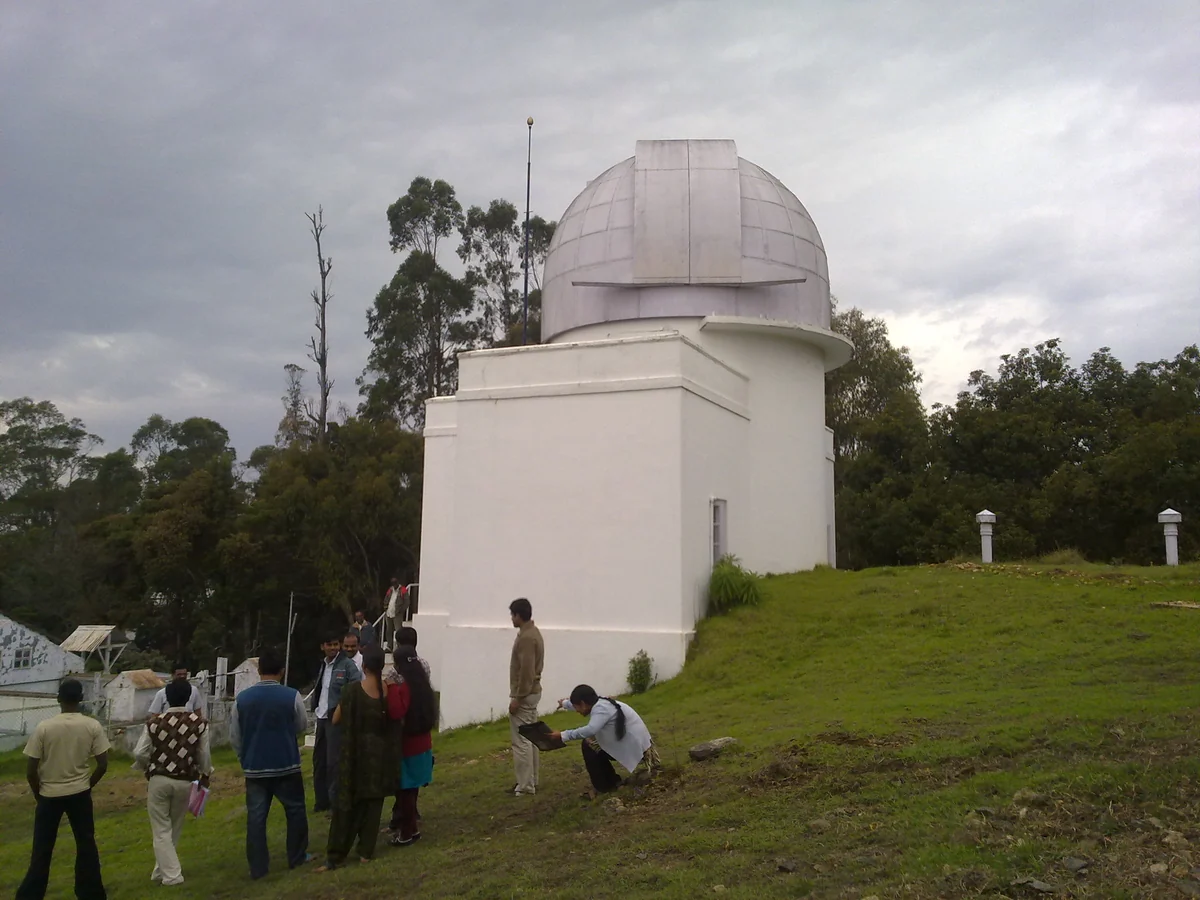
The astronomy museum is about 400 metres from the observatory’s main gate. One display shows dark lines in the Sun’s spectrum, called Fraunhofer lines. These lines help astronomers identify elements in the Sun’s atmosphere. Ask staff whether the live solar image and spectrum are on display that day.
IIA’s museum page lists daily opening hours. Its organised-visit page lists a shorter Sunday window of 9 am to 1 pm. Confirm which hours apply to your visit before travelling.
| Visit | Times in IST |
|---|---|
| Museum | 9:30 am to noon and 2 pm to 4:30 pm |
| Evening | 6:30 pm to 7:30 pm |
Tickets and school or group bookings
For an organised visit, use IIA’s request form at least 15 days before your preferred date. The institute lists an entry charge of ₹50 per person and up to 90 minutes on campus. Government schools and colleges can request free entry with supporting documents. Ask about the fee and any access needs when you book.
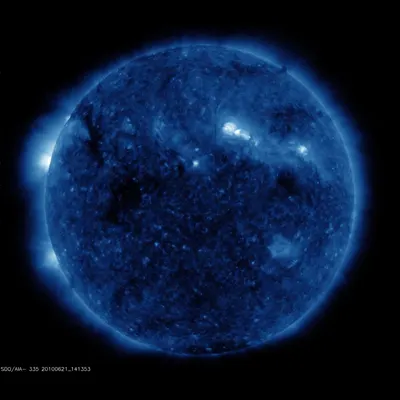
For a school group, build the visit around one question. What can a single image tell you about a sunspot and what would you need to see it move? Compare the museum view with images from different days in the solar archive.
What the observatory studies
The observatory was established in 1899. Its white-light solar images go back to 1904. Researchers digitised the old photographic plates. The records let them compare the number, position and area of sunspots across many cycles of solar activity.
In 1909, John Evershed used the shifts in dark lines in sunlight to discover that gas was flowing outward in sunspots. The same idea connects the museum’s spectrum display to the research. The wavelengths of spectral lines shift slightly when the gas producing them moves towards or away from the observer.