Activities
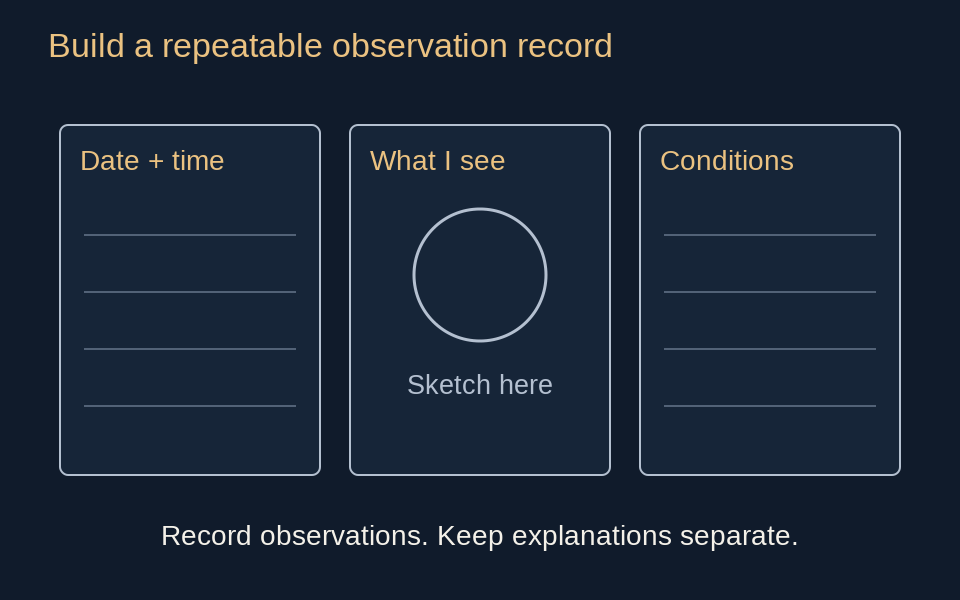
Keep a Moon diary
Follow the Moon over several weeks and build an observation record that separates evidence from guesses.
Beginner15 min

40 resources
Follow the Moon over several weeks and build an observation record that separates evidence from guesses.
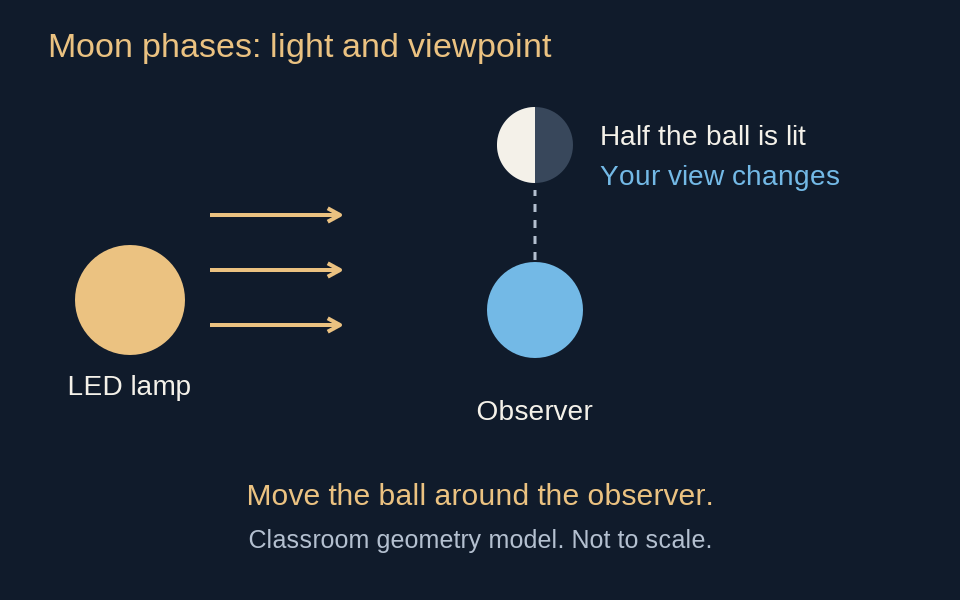
Use a lamp and ball to connect changing lunar shapes with the observer’s viewpoint.
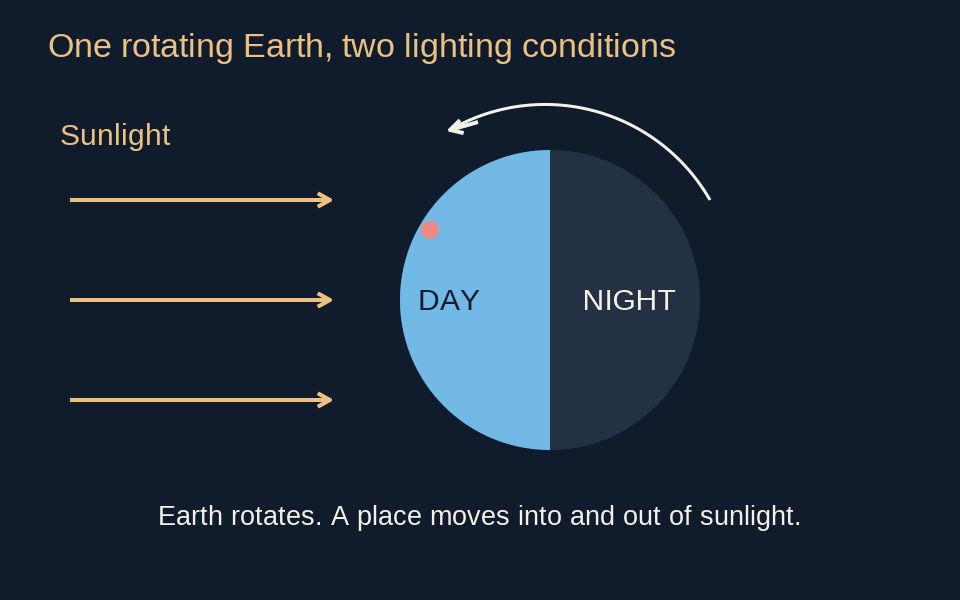
Rotate a model Earth to explain daylight, darkness and the apparent daily motion of the Sun.
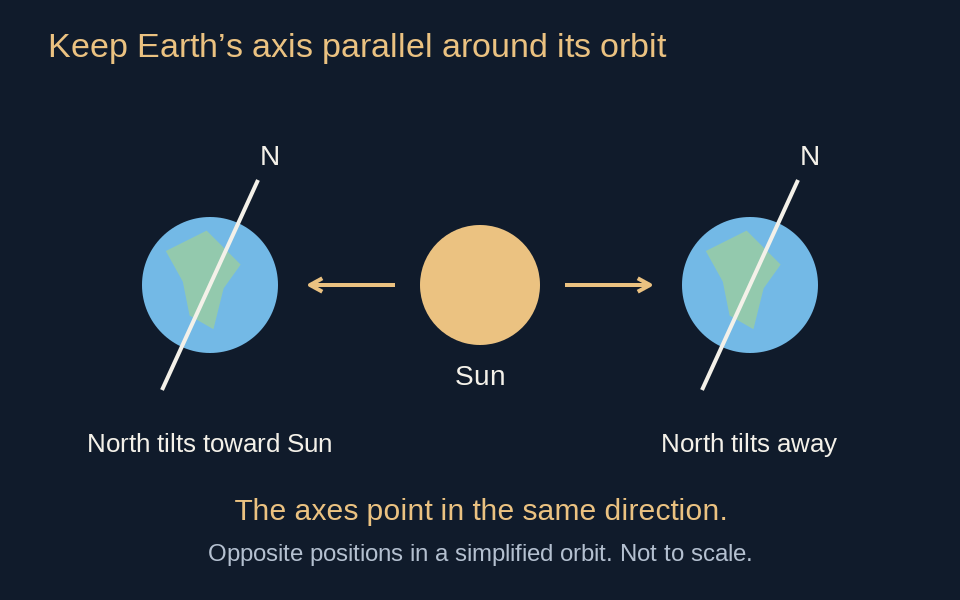
Compare how sunlight reaches two hemispheres while keeping Earth’s axis pointing in one direction.
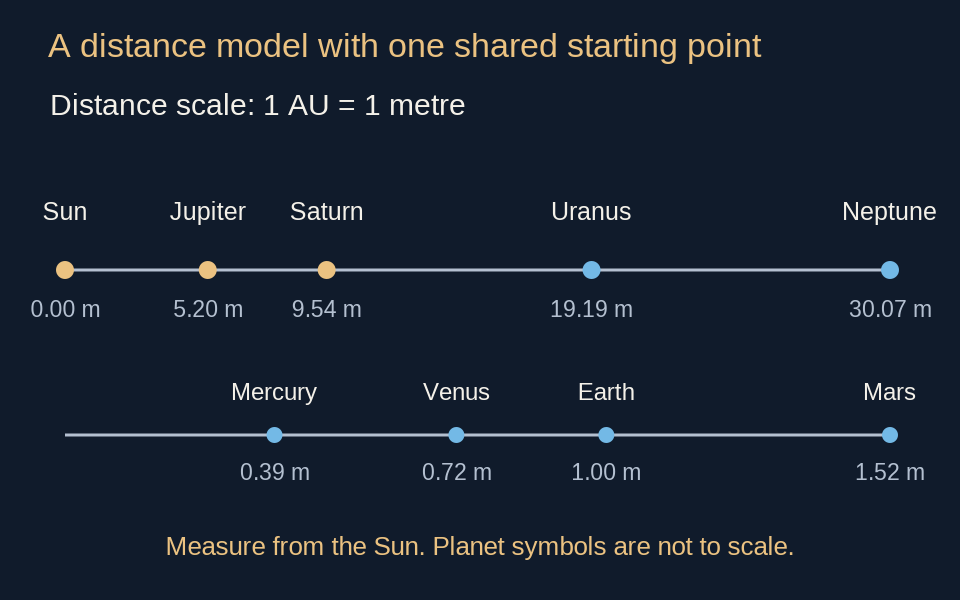
Use measured distances to discover why planetary diagrams rarely show both sizes and spacing accurately.
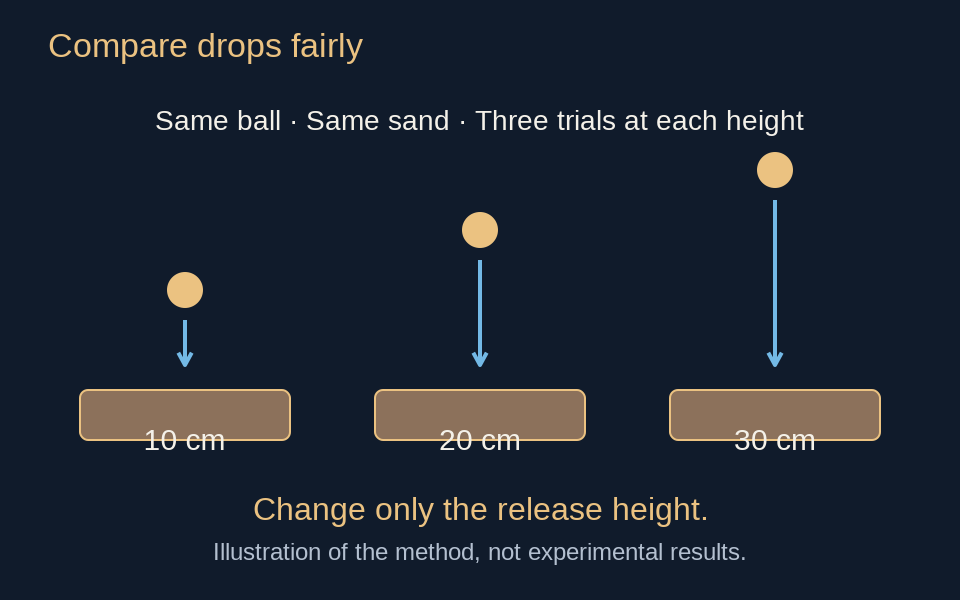
Change one variable at a time to explore how a falling object leaves an impact mark.
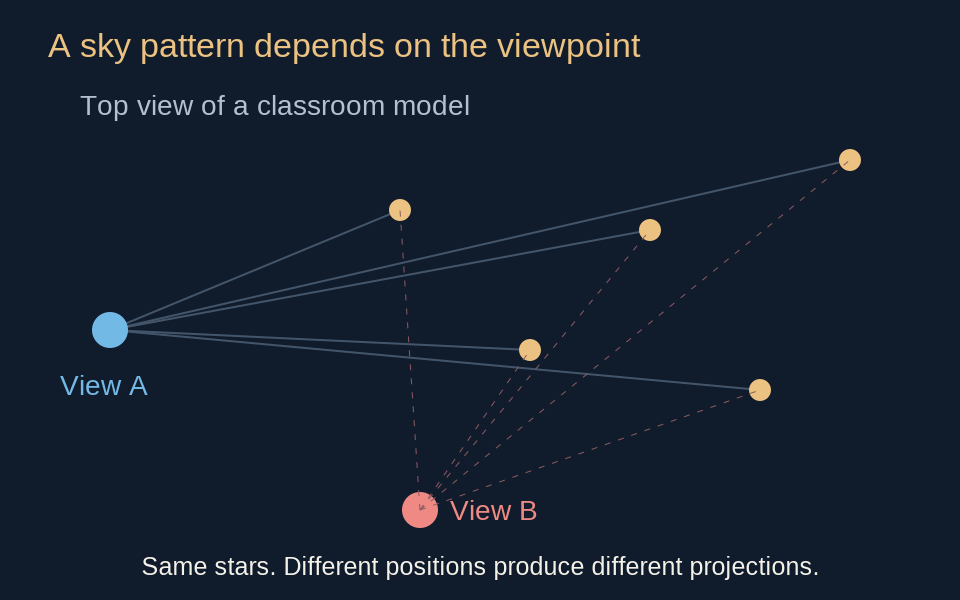
Arrange paper stars at different distances to discover how a familiar pattern depends on where you stand.
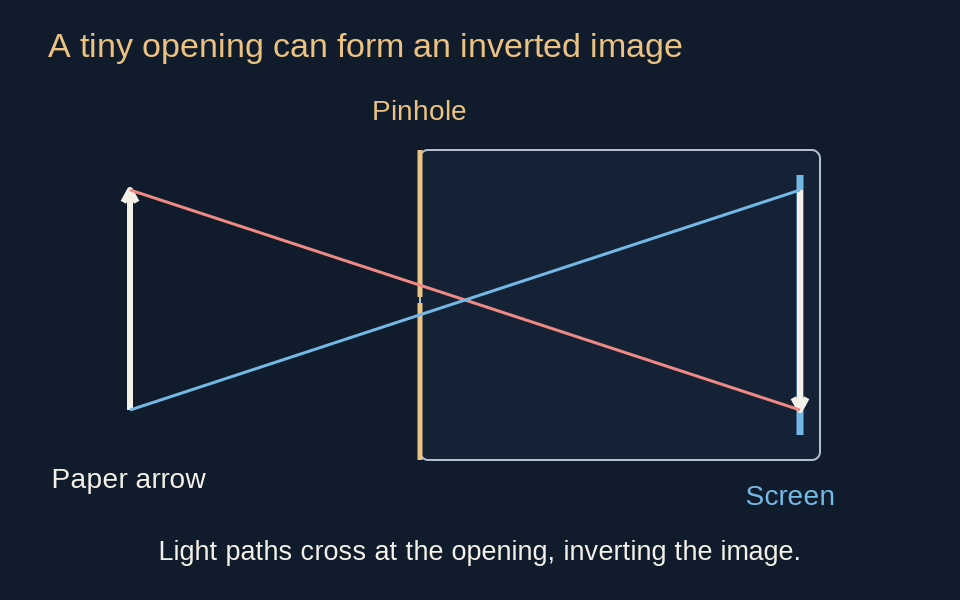
Project a simple indoor shape onto a screen and investigate why its image appears inverted.
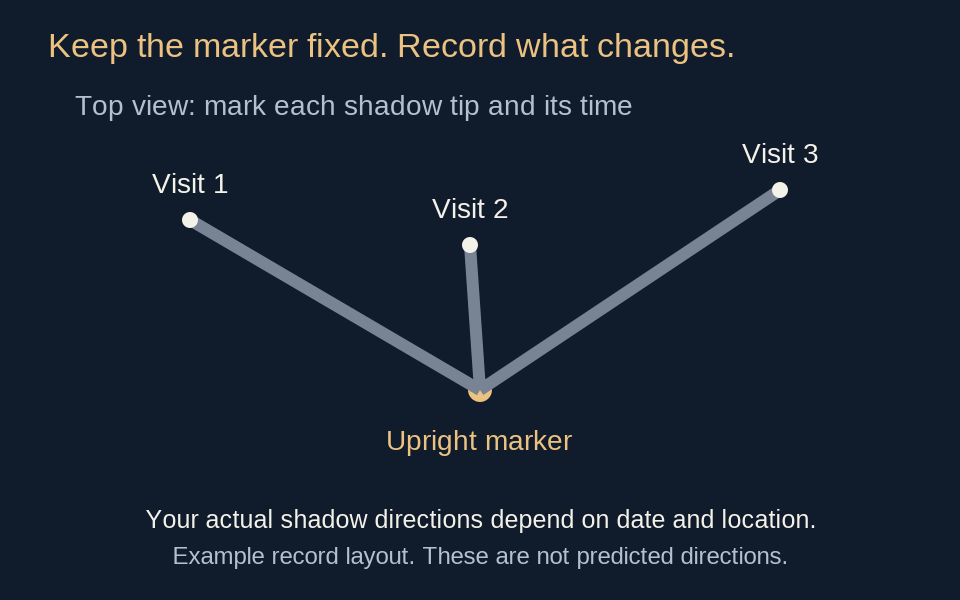
Measure a stationary object’s shadow to investigate the Sun’s apparent changing position without looking at it.
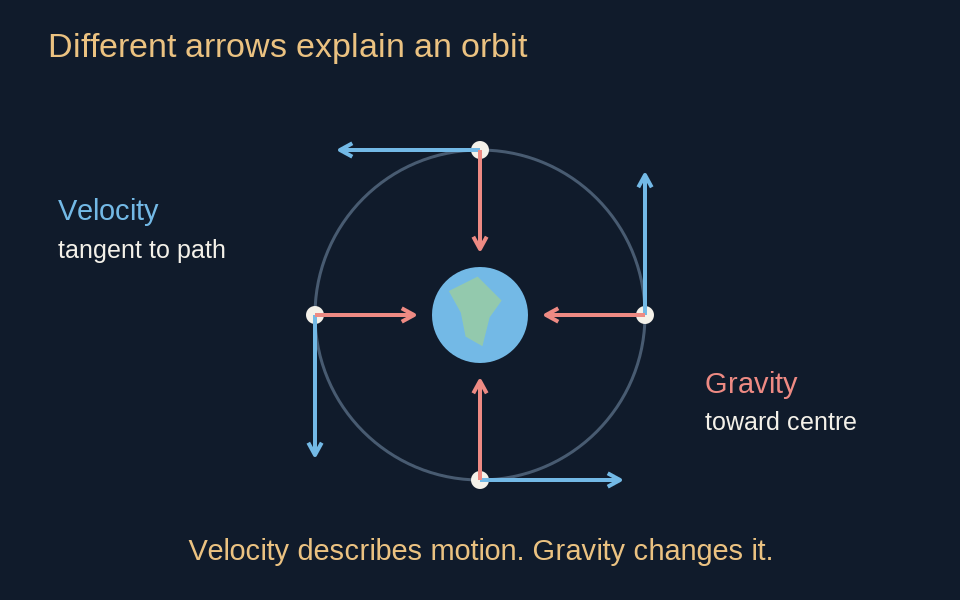
Use arrows on a paper orbit to distinguish a satellite’s direction of travel from the direction of gravity.
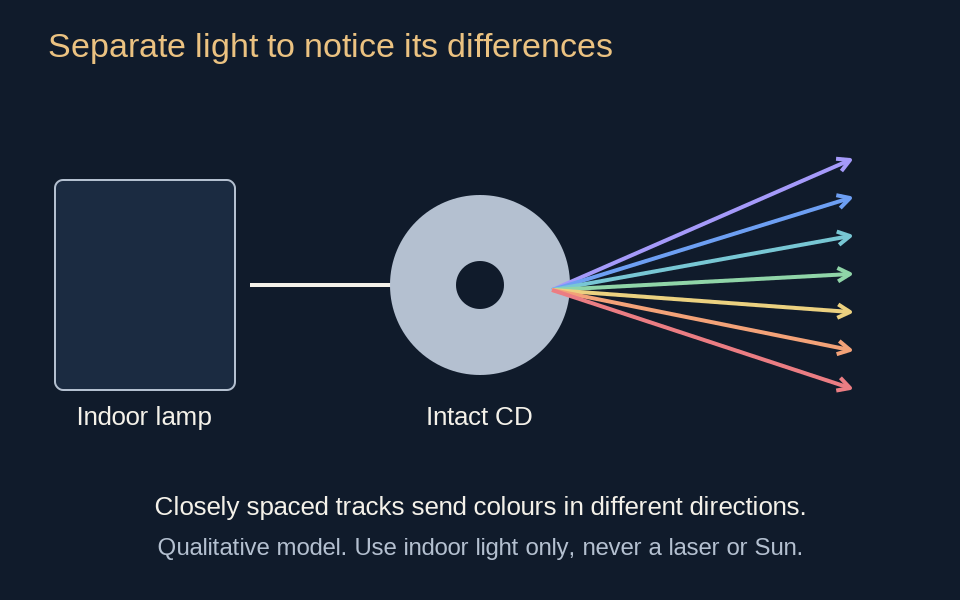
Compare the colours from indoor light sources using the fine tracks on an intact compact disc.
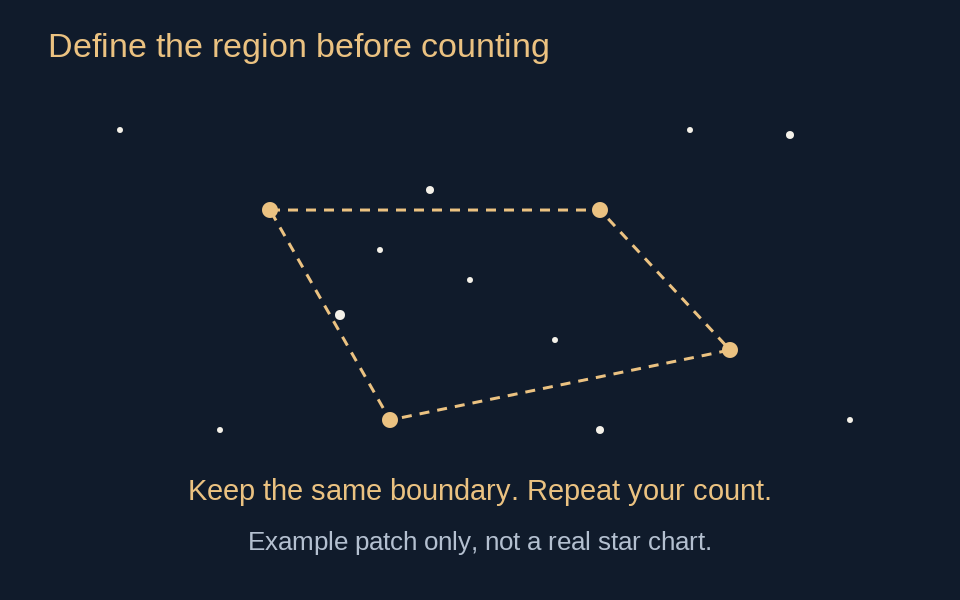
Create a repeatable naked-eye observation while learning why star counts depend on viewing conditions.
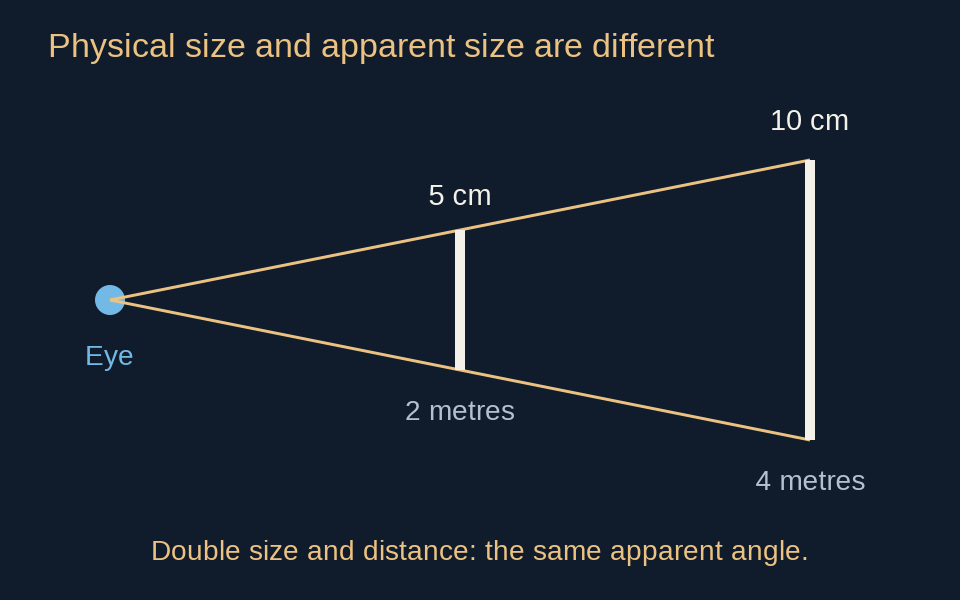
Investigate how an object’s apparent width changes when either the object or the observer moves.
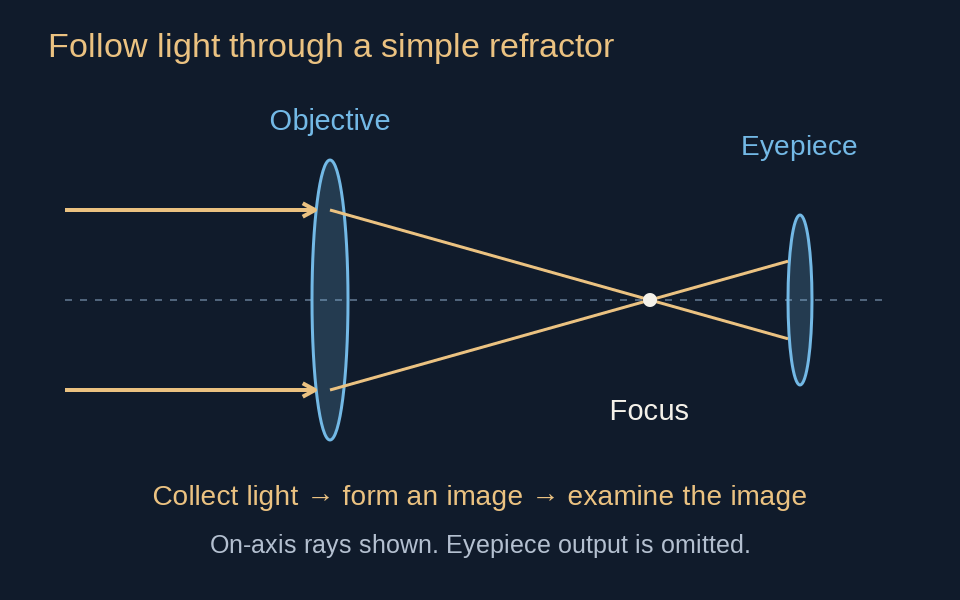
Build a paper ray diagram that separates light gathering, focusing and eyepiece magnification.
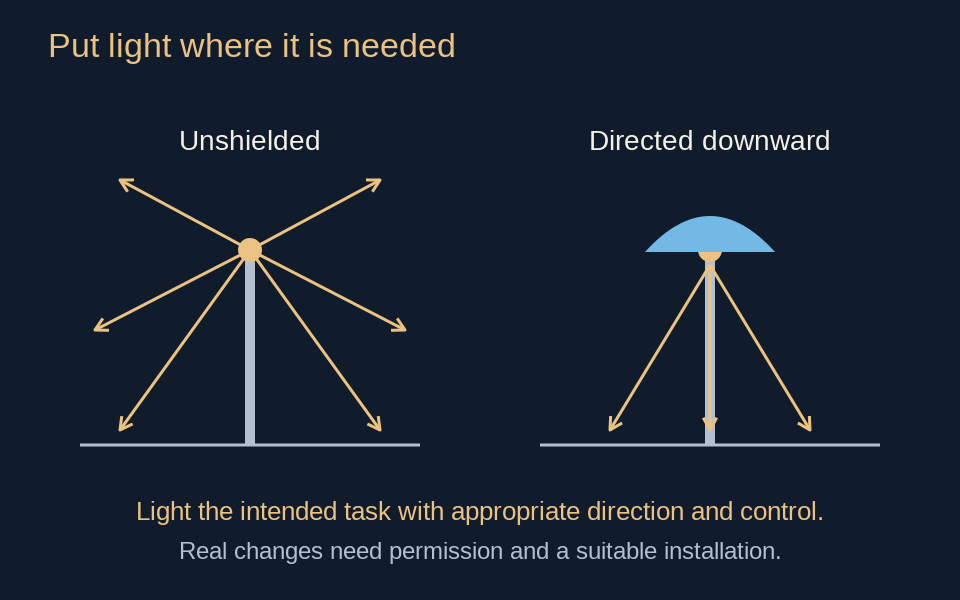
Record where artificial light is useful and where it spills beyond the place it is meant to illuminate.
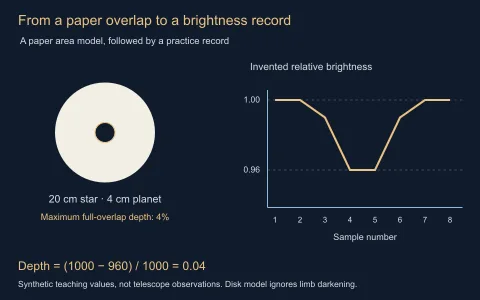
Use paper disks and an explicitly invented brightness record to investigate the evidence a transit can provide.
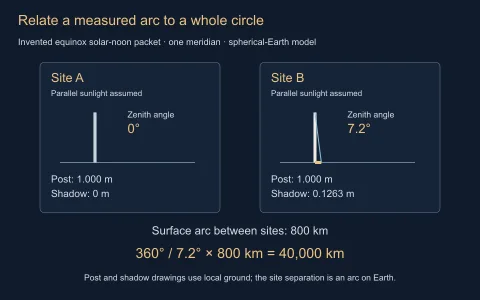
Use supplied idealised shadow measurements to connect a small angle with a whole-Earth estimate.
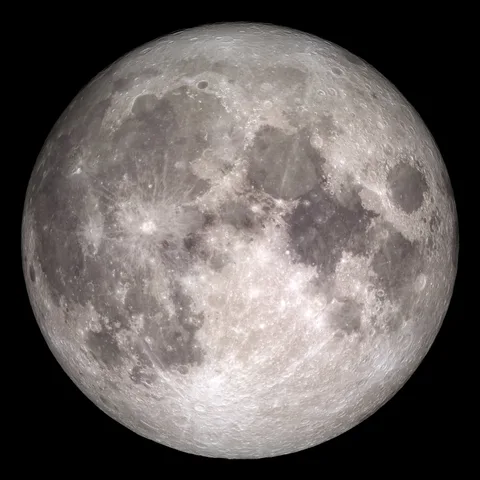
Use two supplied spacecraft views to separate visible patterns, geological interpretation and image limitations.
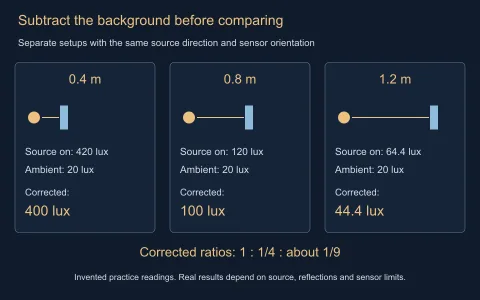
Use background-corrected light readings to test a distance model and identify the limits of your apparatus.
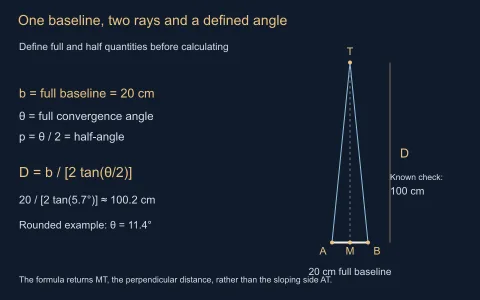
Use a measured baseline and an explicit angle convention to infer distance, then test how angular uncertainty affects the answer.
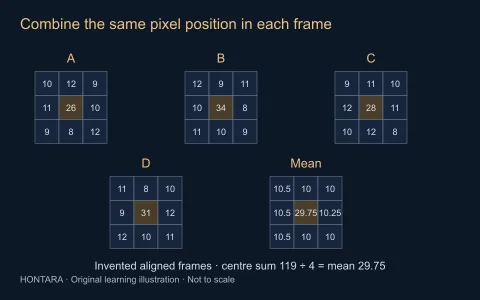
Average four small invented frames while keeping alignment, arithmetic and the limits of averaging visible.
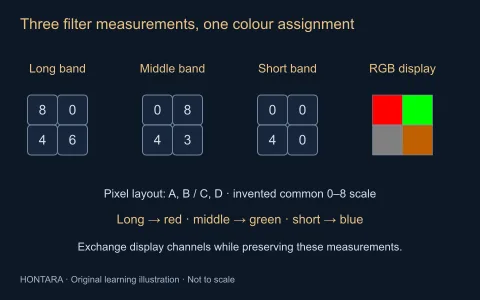
Assign four invented pixels to screen colours and test how a new mapping changes interpretation while preserving measurements.
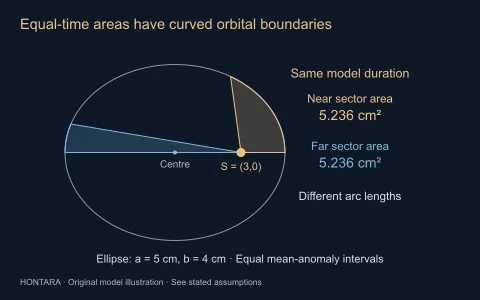
Trace two curved orbital sectors from supplied coordinates and distinguish area, arc length and elapsed time.
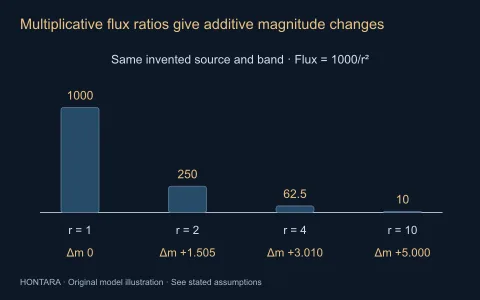
Use invented same-source measurements to connect inverse-square flux with the direction and logarithmic spacing of magnitudes.
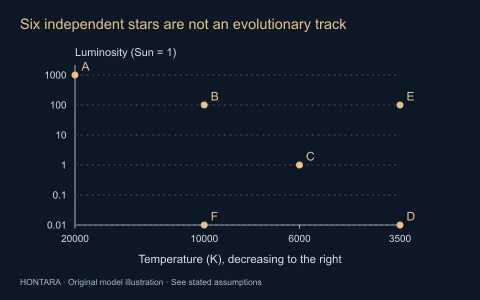
Build a labelled temperature-luminosity plot and separate a point’s position from a complete story about its history.
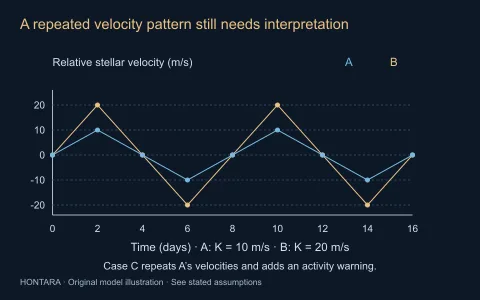
Plot synthetic stellar velocities, compare repeated patterns and identify an ambiguity that a smooth curve cannot settle.
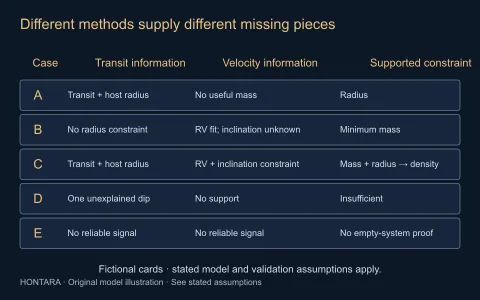
Sort five fictional cases by the radius, mass and density information their stated measurements can support.
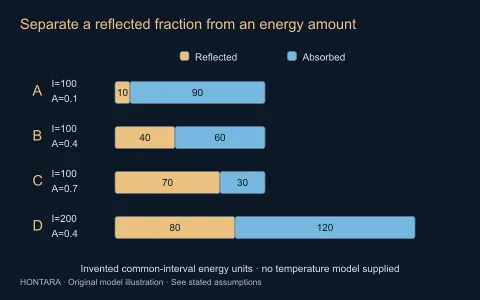
Account for incoming starlight with albedo fractions while keeping energy units separate from temperature claims.
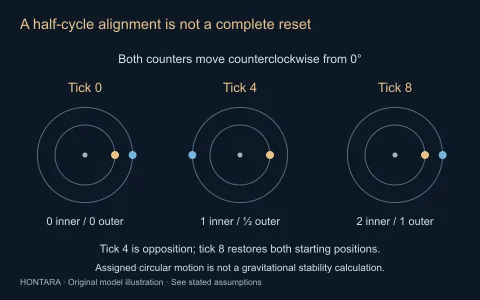
Track two counters through an eight-tick cycle and distinguish a repeating period ratio from a full dynamical resonance.
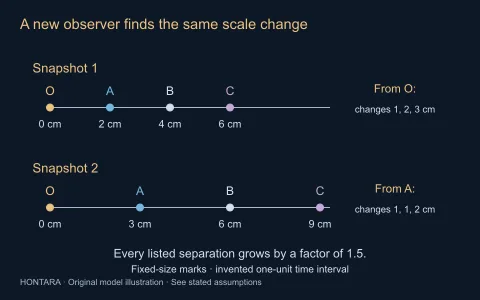
Use two labelled snapshots to test uniform scale change from more than one observer without stretching the galaxy symbols.
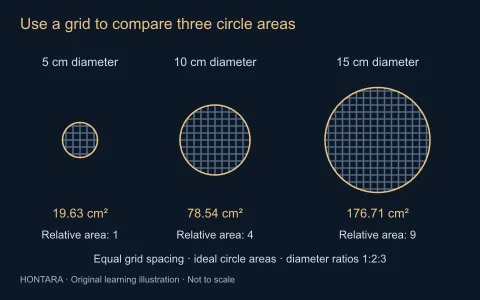
Test a diameter prediction using grid estimates, circle areas and explicit limits of a paper aperture model.
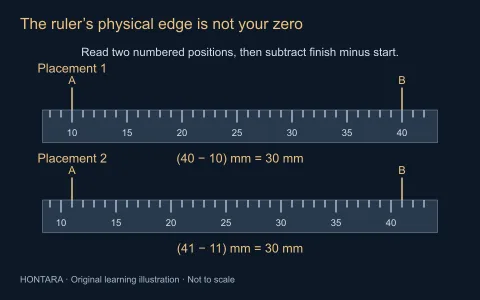
Measure one paper length six times and distinguish sample scatter from a common shift.
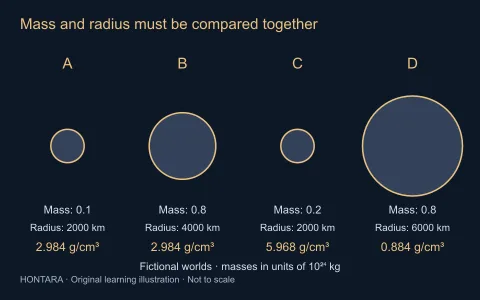
Use controlled changes in mass and radius to test density predictions without guessing a planet’s exact composition.
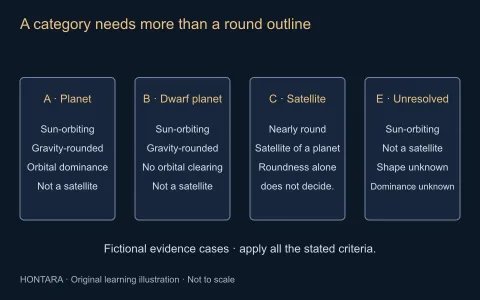
Apply several criteria to five invented cases and keep an unresolved case unresolved when the evidence is missing.
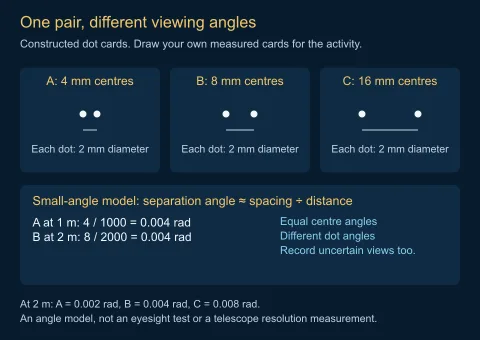
Build repeatable dot cards to compare physical spacing, viewing distance and visible detail.
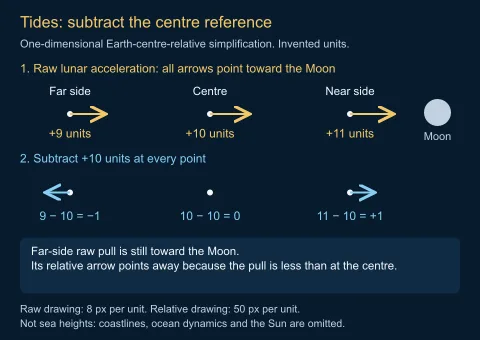
Subtract an Earth-centre reference to explain differential gravity without treating a sketch as a coastal tide forecast.
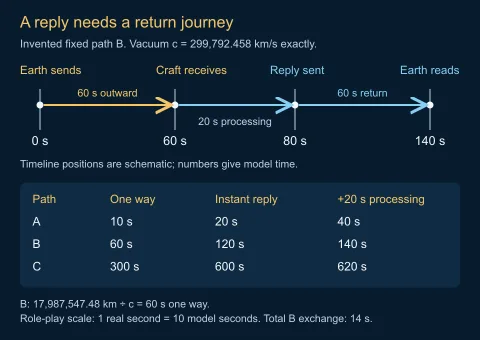
Calculate exact model light times then keep transmission, processing and return travel separate in a timed exchange.
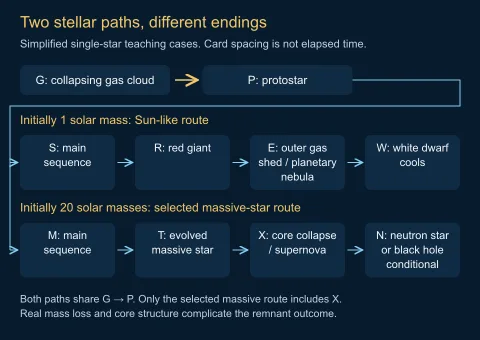
Sort a supplied card set into contrasting stellar paths and explain why starting mass changes the interpretation.
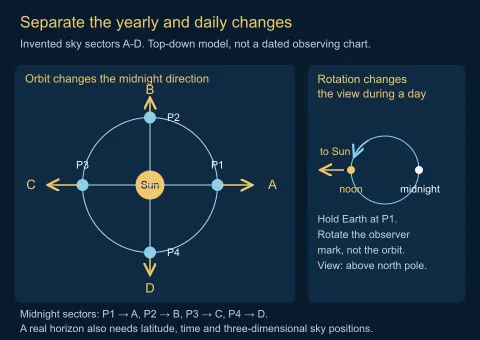
Use a complete paper geometry packet to separate Earth’s orbit, daily rotation and the night-time viewing direction.
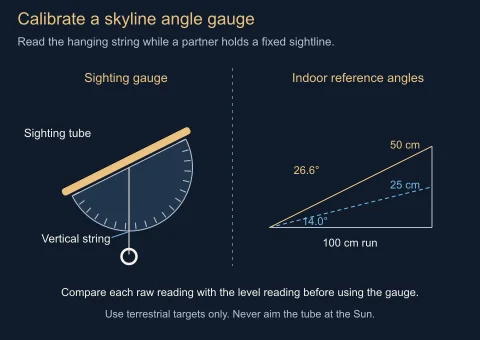
Calibrate a simple clinometer on indoor marks, compare repeated readings and use it to estimate an obstruction angle.
No resources match that search. Try fewer words or clear the filters.