Tools
Schwarzschild radius calculator
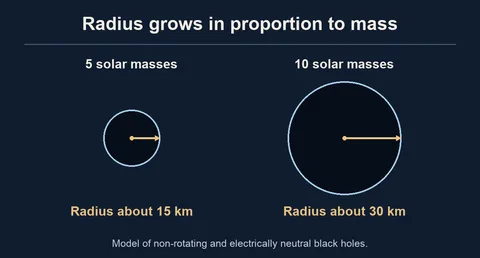
Enter a mass in solar masses to calculate the event horizon radius of a non-rotating black hole. A mass of ten Suns gives a radius of about 29.5 kilometres.
Beginner4 min

17 resources
Enter a mass in solar masses to calculate the event horizon radius of a non-rotating black hole. A mass of ten Suns gives a radius of about 29.5 kilometres.
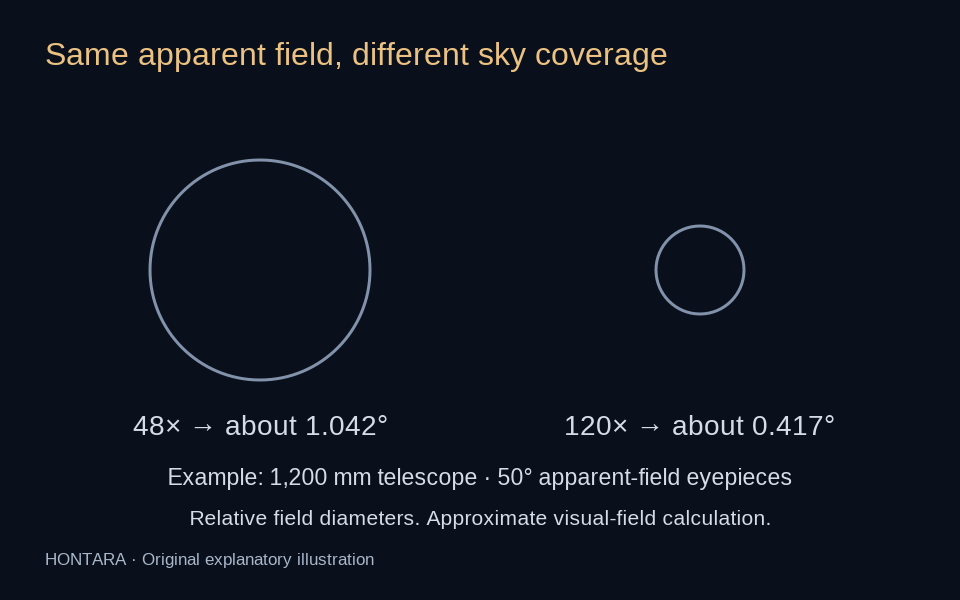
Estimate the patch of sky an eyepiece covers and compare two observing combinations.
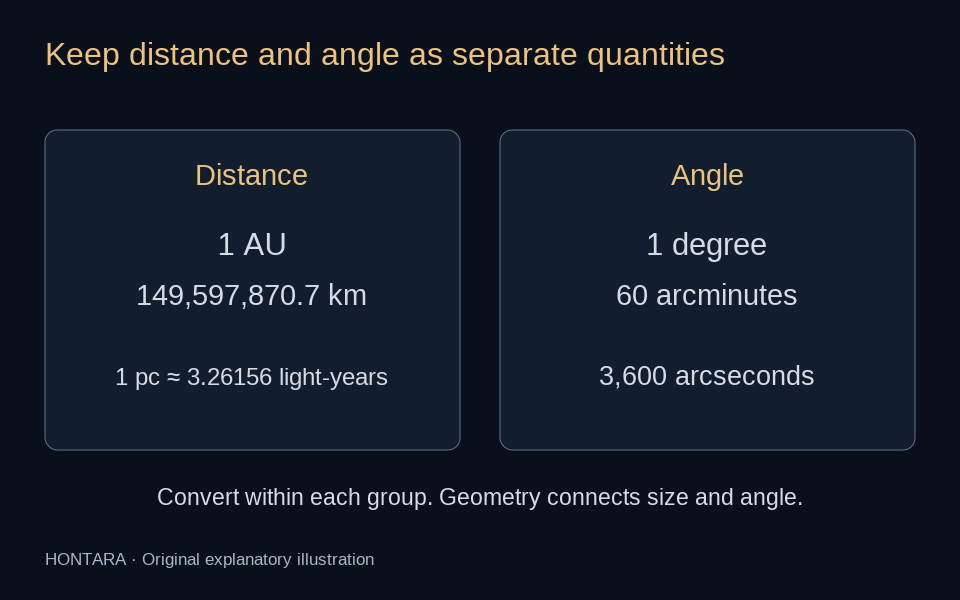
Convert astronomical distances or angular units while keeping the two kinds of quantity separate.
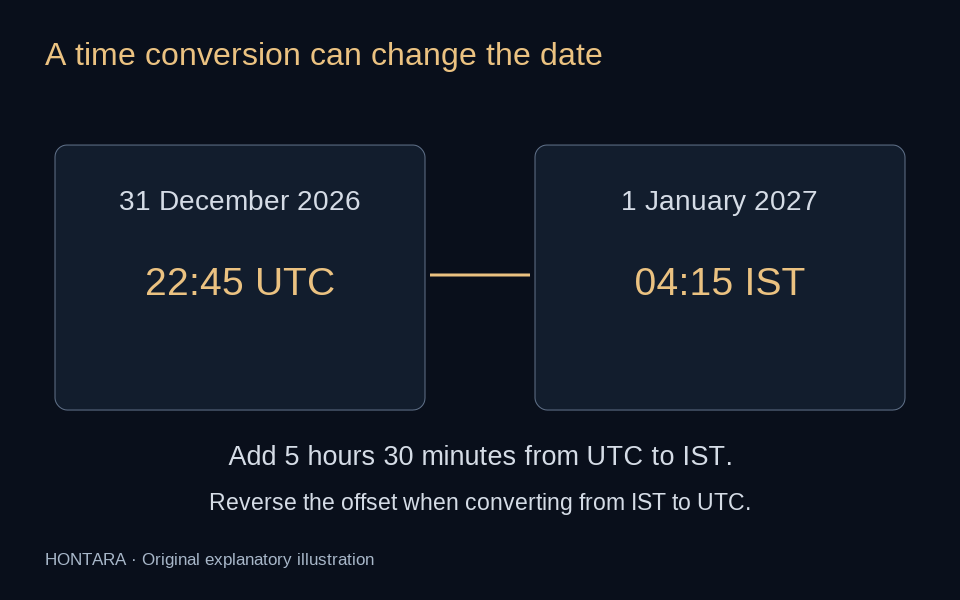
Convert between UTC and IST while keeping track of midnight and the calendar date.
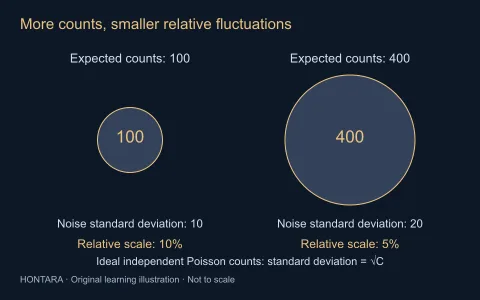
Compare source and background counts across equal exposures while keeping the shot-noise assumptions explicit.
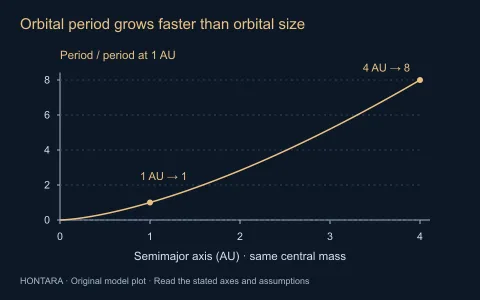
Compare semimajor axis and central mass in an ideal two-body orbit with a clearly stated solar-unit convention.
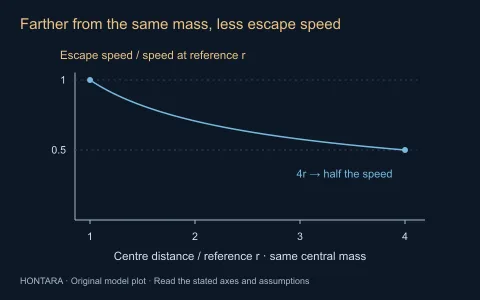
Explore the Newtonian mass-and-distance relation while keeping escape speed separate from a rocket’s launch requirements.
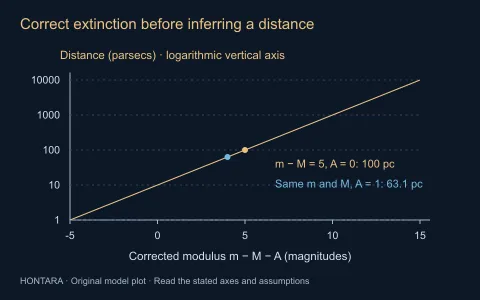
Connect same-band apparent and absolute magnitudes with distance while retaining the sign and role of extinction.
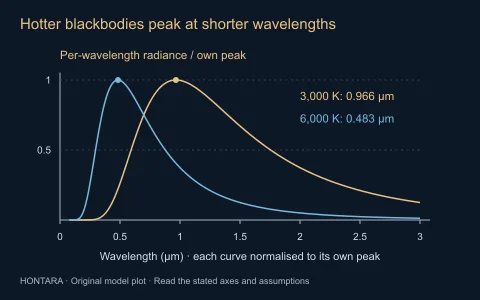
Calculate an ideal per-wavelength spectral peak while keeping it separate from a star’s perceived colour.
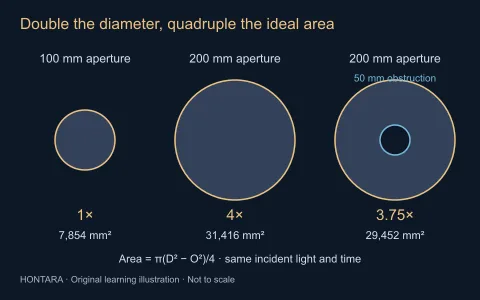
Compare circular apertures with optional central obstructions and see exactly what the geometric ratio means.
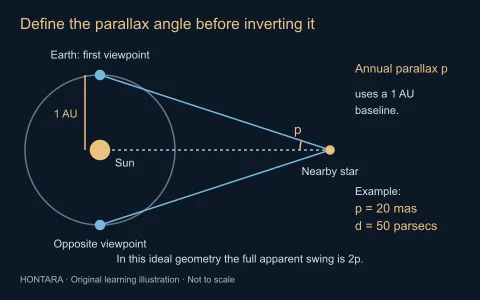
Explore reciprocal parallax distances in parsecs and light-years with a clear warning for uncertain measurements.
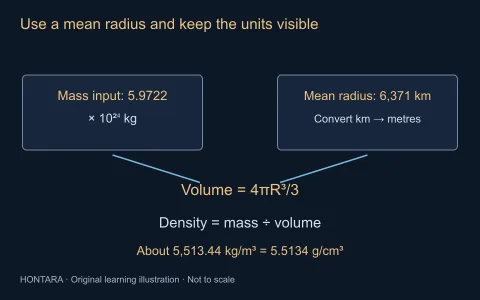
Calculate a spherical bulk density from mass and volume-equivalent radius with explicit unit and interpretation checks.
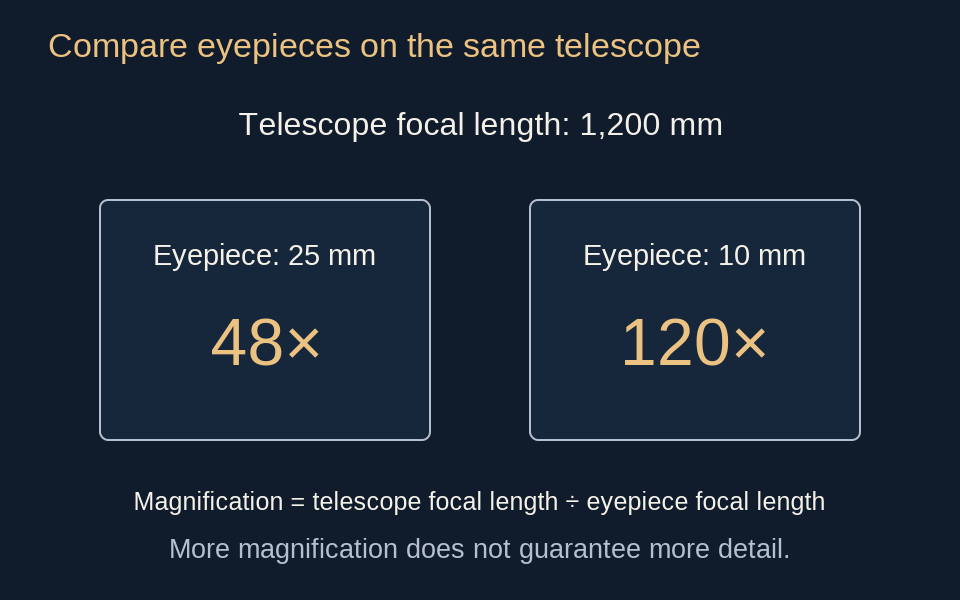
Compare eyepieces and find the magnification of a telescope without mistaking power for detail.
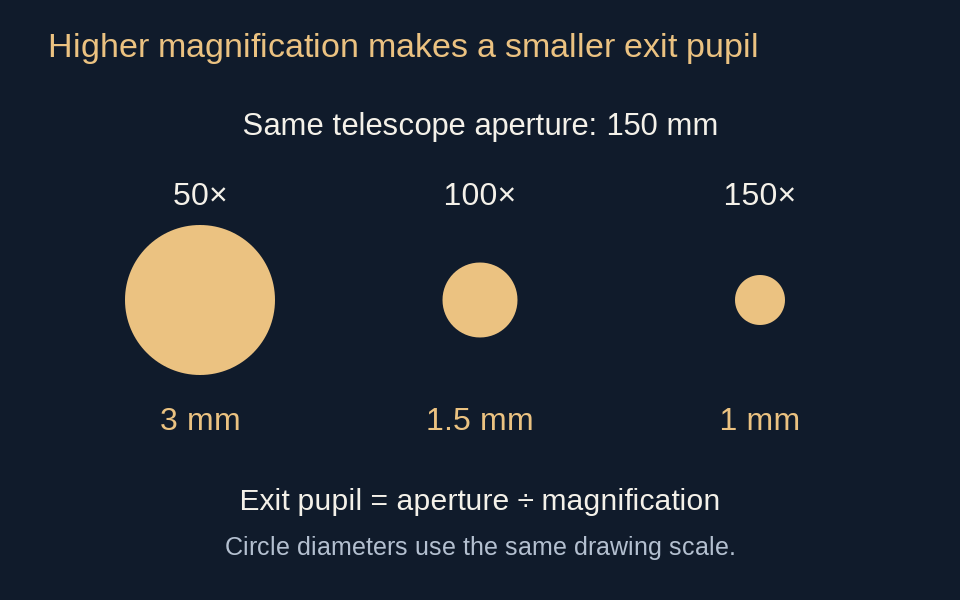
Find the width of the light beam leaving an eyepiece and understand what it means for your view.
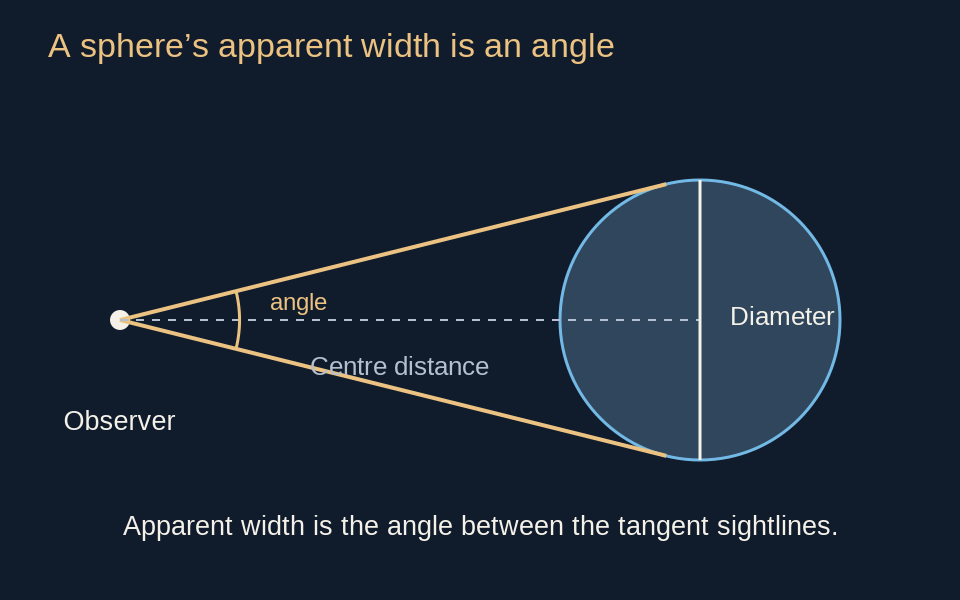
Discover why an object’s apparent width depends on both its physical diameter and its distance.
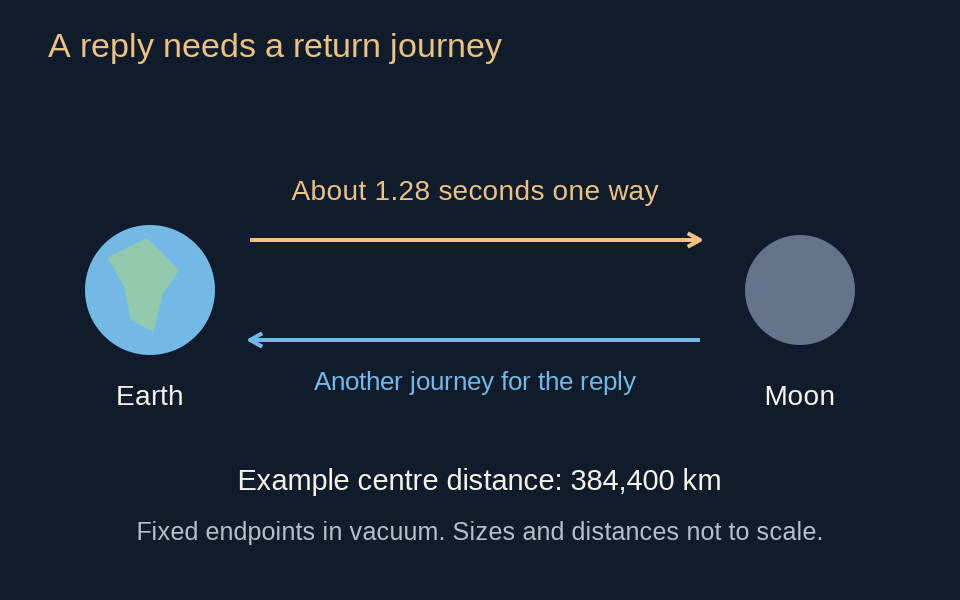
Calculate one-way and round-trip light time for any distance in kilometres. Try the Moon, the Sun, a nearby Mars example or one light-day.
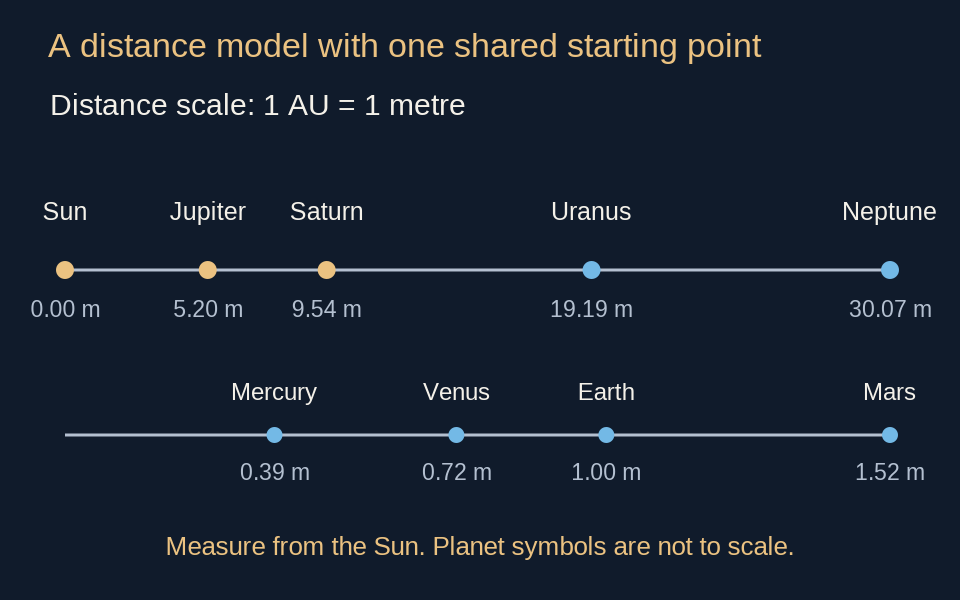
Calculate distances from the Sun and model diameters for the Sun and all eight planets. Use the same scale for the sizes and spacing.
No resources match that search. Try fewer words or clear the filters.