On this page
One turn and one noon-to-noon day
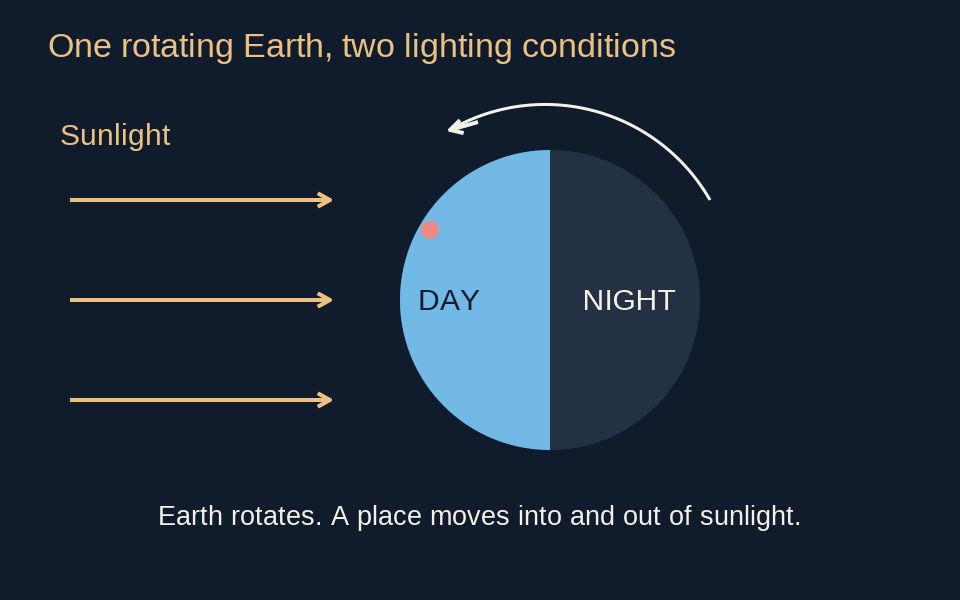
A rotation period measures one spin relative to distant stars. A solar day measures the time for the Sun to return to the same position, such as from local noon to the next noon. A planet moves around the Sun as it spins. That orbital motion accounts for the difference.
| Planet | One spin | Noon to noon |
|---|---|---|
| Mercury | 58.6 days | 176 days |
| Venus | 243 days, backwards | 117 days |
| Earth | 23 h 56 min | 24 h |
| Mars | 24 h 37 min | 24 h 40 min |
| Jupiter | 9 h 54 min | About 9 h 54 min |
| Saturn | About 10 h 42 min | About 10 h 42 min |
| Uranus | 17 h 12 min, backwards | About 17 h 12 min |
| Neptune | 16 h 6 min | About 16 h 6 min |
Why Mercury and Venus behave differently
Mercury rotates three times in two orbits. It takes those two orbits, about 176 Earth days, for the Sun to return to the same position over a given location. That is twice Mercury’s year.
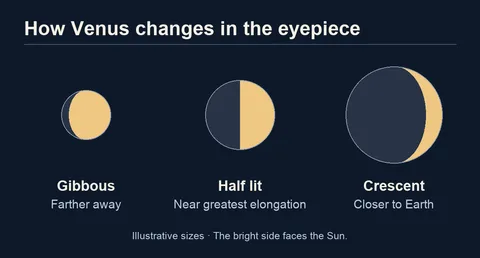
Venus spins backwards relative to its direction of orbit. Its movement around the Sun brings the next noon sooner than one complete spin. That is how a planet can take about 243 Earth days to rotate while its solar day lasts about 117 Earth days.
What a day means on a giant planet
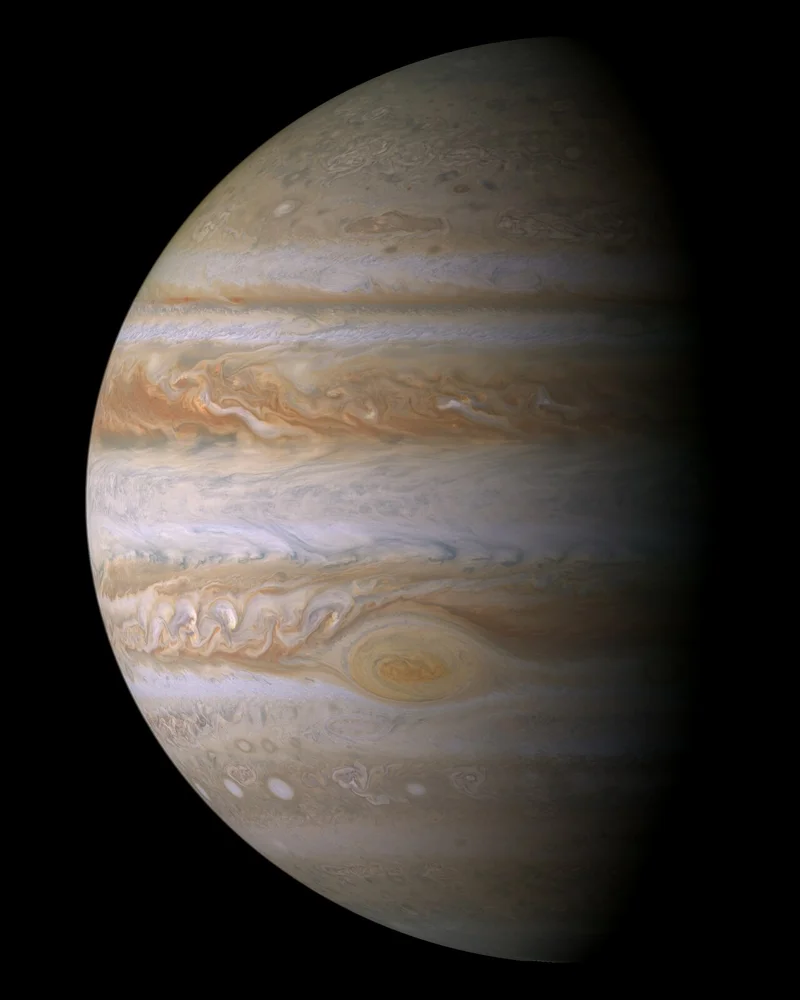
Jupiter, Saturn, Uranus and Neptune have no solid surface that you can stand on. Their clouds can turn at different speeds at different latitudes. The values in the table use characteristic planetary rotation rates. The giants take so long to orbit the Sun that the change from spin period to solar day is small at the precision shown here.
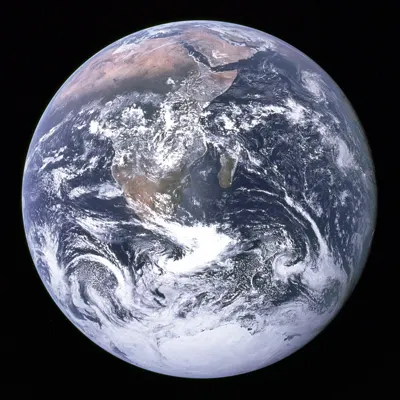
On Earth, that change is easier to measure. Once Earth completes a turn relative to the stars, it has moved a short way around the Sun. It takes roughly four more minutes of rotation to bring the Sun back to local noon.