On this page
Where Earth sits in the lunar sky
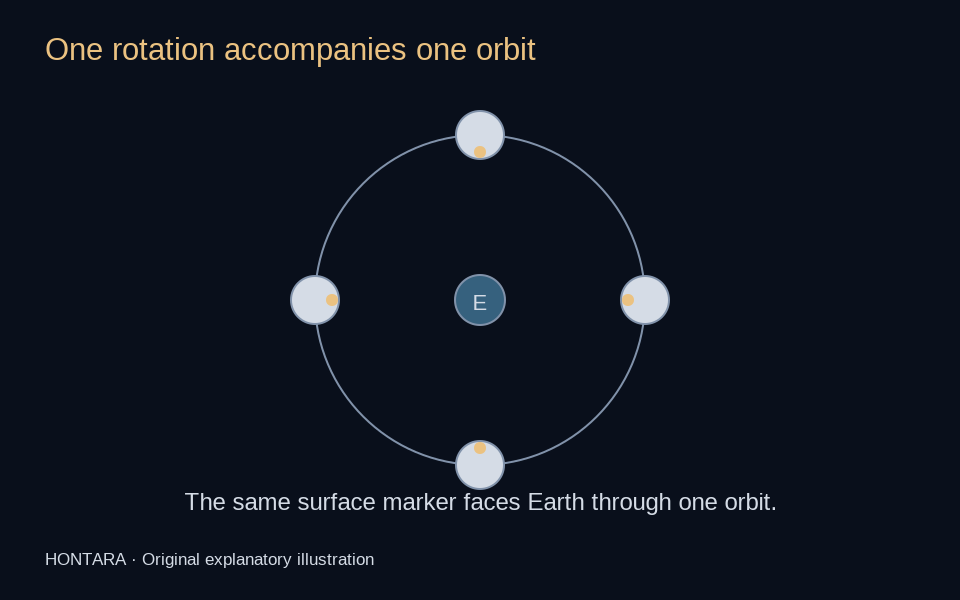
The Moon turns once in about the same time it takes to orbit Earth. If you stand near the middle of the side facing Earth, Earth stays high in your sky through a cycle of lunar day and night. From much of the far side, the Moon itself blocks the view of Earth.
The Moon appears to rock slightly from our perspective because of libration. An observer near the boundary between the near and far sides can see small changes in Earth’s position relative to the horizon.
What phase would Earth show?
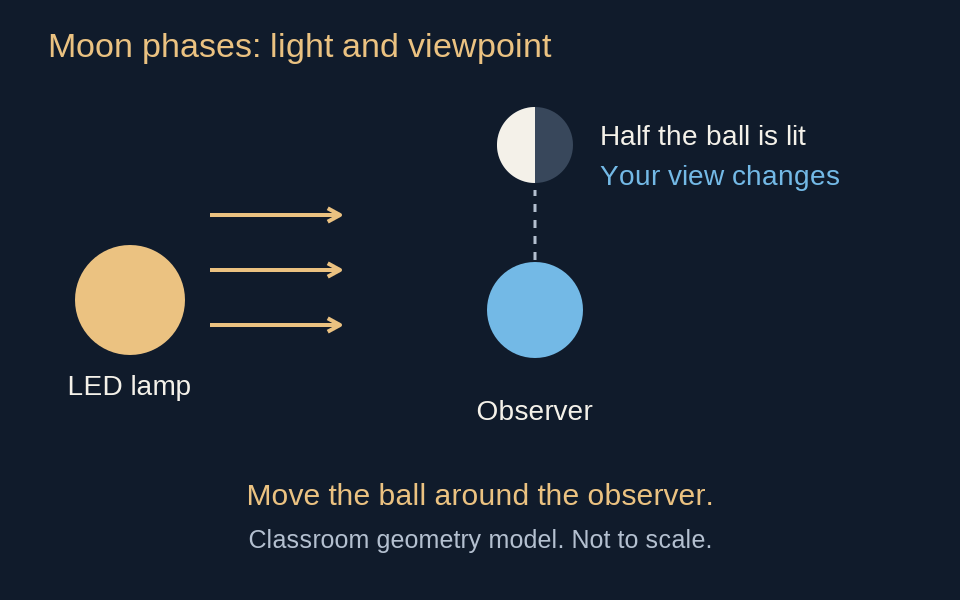
The Sun lights about half of each world. From Earth and the Moon, observers look toward one another from opposite ends of the same line. That makes the lit portions they see roughly complementary.
| Moon as seen from Earth | Earth as seen from the Moon |
|---|---|
| New Moon | Nearly full Earth |
| First quarter Moon | Half-lit Earth, waning |
| Full Moon | Nearly new Earth |
| Last quarter Moon | Half-lit Earth, waxing |
Why Apollo saw an Earthrise
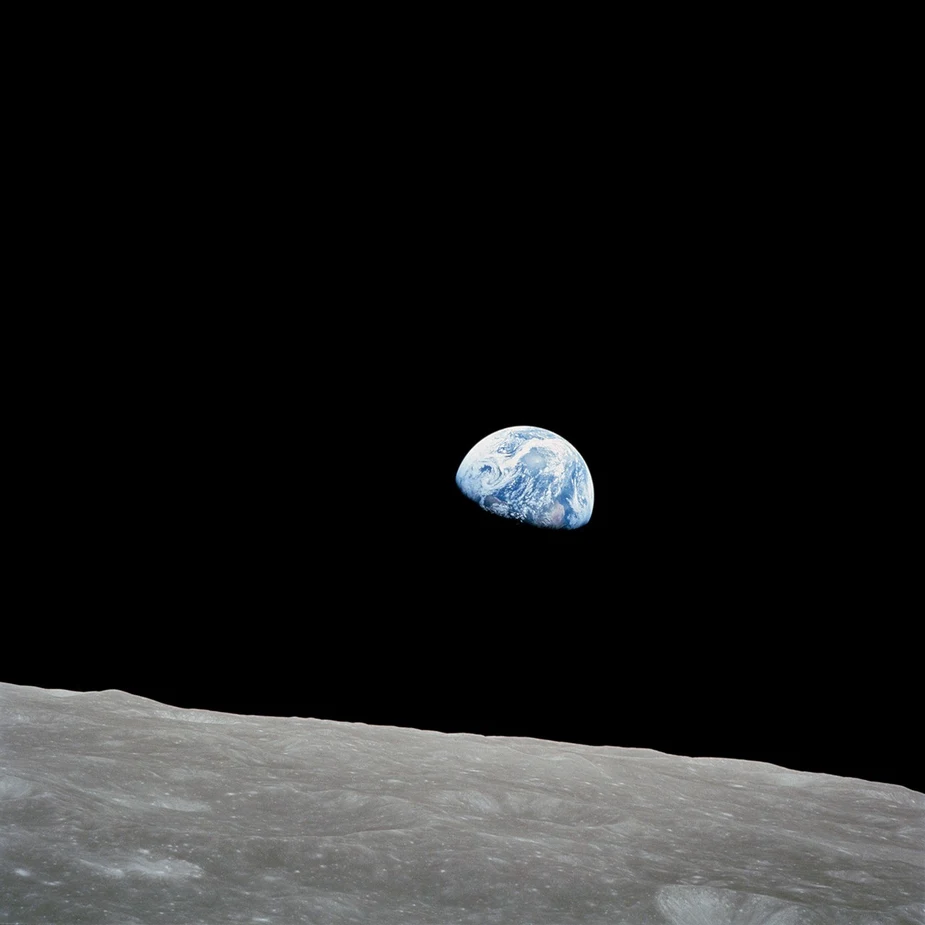
Apollo 8 was moving around the Moon, so its view changed as it crossed the lunar horizon. From one spot on the near-side surface, Earth generally stays in the same region of the sky while the Sun moves slowly across it. The interval from one local noon to the next is about 29.5 Earth days.
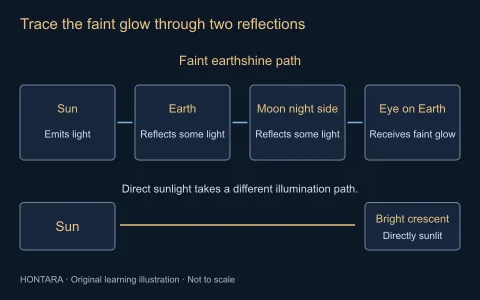
Earth also looks larger from the Moon than the Moon does from Earth. Earth’s diameter is about 3.7 times the Moon’s. The viewing distances are nearly equal. A nearly full Earth reflects enough sunlight to illuminate the Moon’s dark side faintly. From Earth, we see that reflected light as earthshine on some crescents.