On this page
What the classes mean for an observer
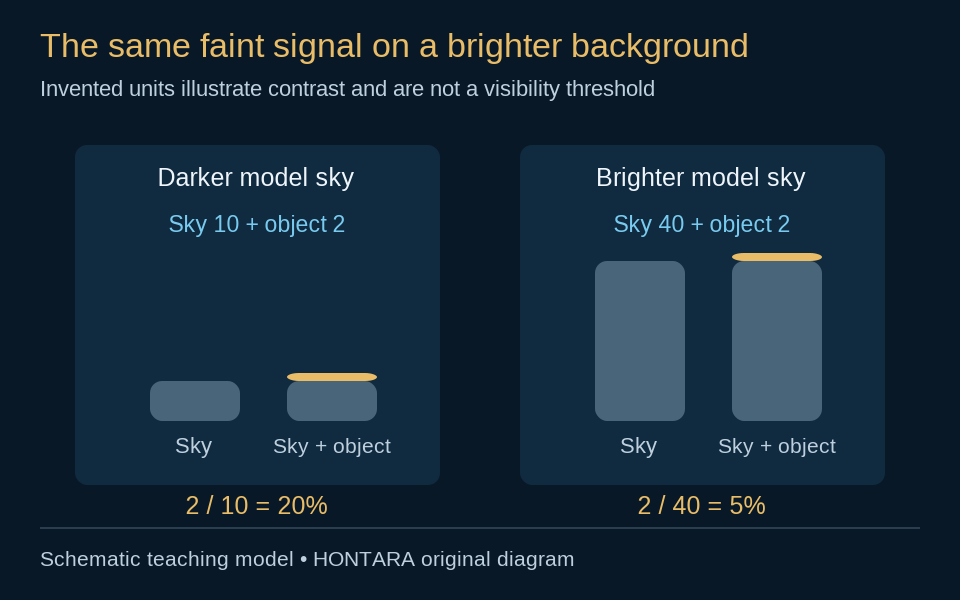
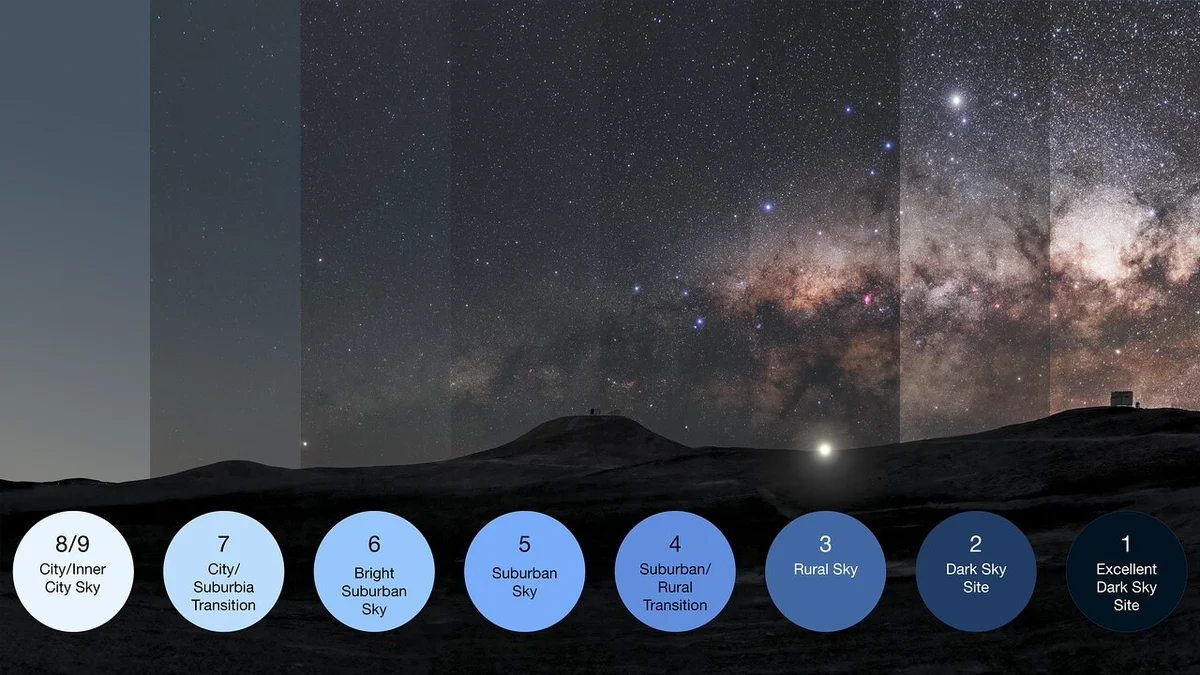
John Bortle defined the scale with visible clues such as the Milky Way, skyglow along the horizon and how clouds look at night. Use the groups below to choose targets. A full class estimate takes several observations.
| Classes | Typical clues | Good targets to try |
|---|---|---|
| 1 to 3 | A richly structured Milky Way when its bright sections are well placed. | Faint galaxies, nebulae and broad Milky Way star fields. |
| 4 to 5 | Some skyglow. The Milky Way may fade toward the horizon. | Open clusters and brighter nebulae. Aim away from the brightest glow. |
| 6 to 7 | Strong skyglow hides much of the Milky Way. | Major planets, double stars and compact bright clusters. |
| 8 to 9 | Few unaided-eye stars beyond the brightest patterns. | The Moon, bright planets and close double-star tests when the air is steady. |
How to estimate your sky in the field
Choose a clear night after twilight with the Moon below the horizon. Stand away from direct lights and allow your eyes to adjust. Check the sky overhead and in different directions. One horizon can show a city’s glow while the opposite horizon is much darker.
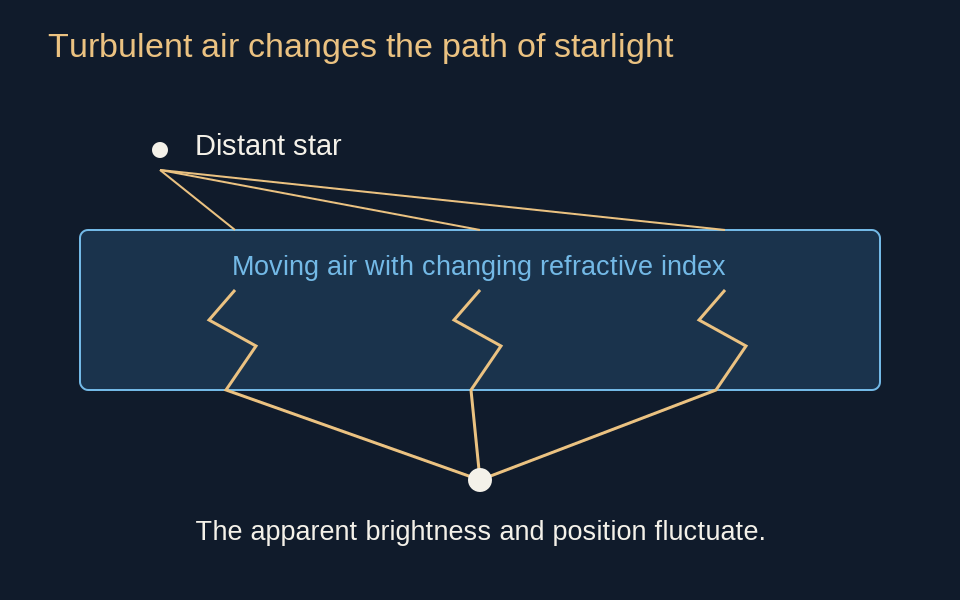
Note whether you see Milky Way structure and where it fades, provided it is well placed for the season. Haze and thin cloud can hide it even at a generally dark site. Repeat on another clear, moonless night if the evidence is mixed. Give a range if it fits better than a single class.
Using a light pollution map or sky meter
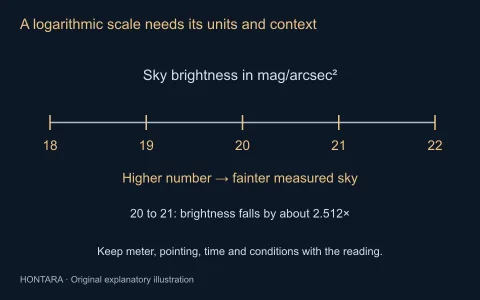
A map can help choose a site, but a site visit lets you account for local lamps and tonight’s haze. A Sky Quality Meter measures brightness in a patch of sky. A single number cannot capture all the visual clues used in a Bortle class.
When planning from Honavar, check moonlight and cloud for the hours you can actually observe. Use the same spot and direction if you want to compare two nights.