On this page
THE BIG IDEAS
- Outdoor and rooftop observation serve complementary purposes.
- Teaching resources and basic facilities are part of the infrastructure plan.
- Concept images show intended facilities rather than completed installations.
Start outdoors
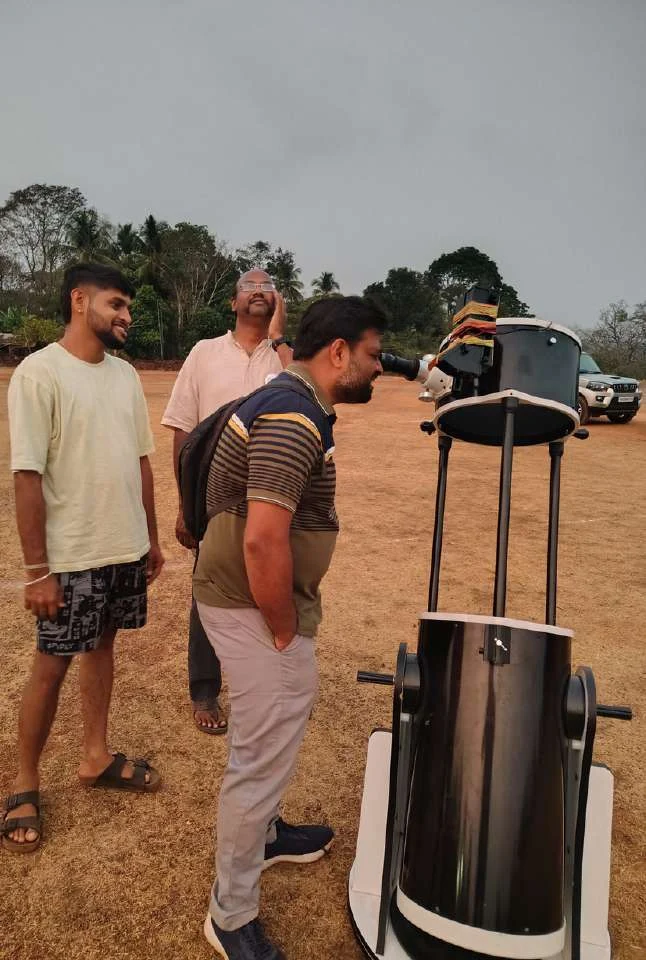
The infrastructure plan includes an outdoor observation zone for night-sky viewing, demonstrations and appropriately supervised solar observation. An outdoor space can accommodate shared explanations before smaller groups approach an instrument. It can also connect the view overhead with diagrams and models.
Solar observing requires specialist equipment and procedures. It is not safe to point an ordinary telescope at the Sun. The inclusion of solar observation in a plan does not mean visitors should attempt it independently.
A ground-floor base for equipment
The planned ground-floor area supports telescopes, teaching resources and equipment that can be brought outdoors. Having an organised base helps protect instruments and makes it easier to prepare sessions. It also gives teaching materials a place alongside the observing equipment.
The equipment plan combines a 12-inch Dobsonian with additional telescopes, mounts and associated systems. Portable instruments will support shared outdoor sessions, while storage and teaching resources will help educators prepare demonstrations. These facilities and equipment arrangements are planned as part of the centre’s development.
A rooftop observing space
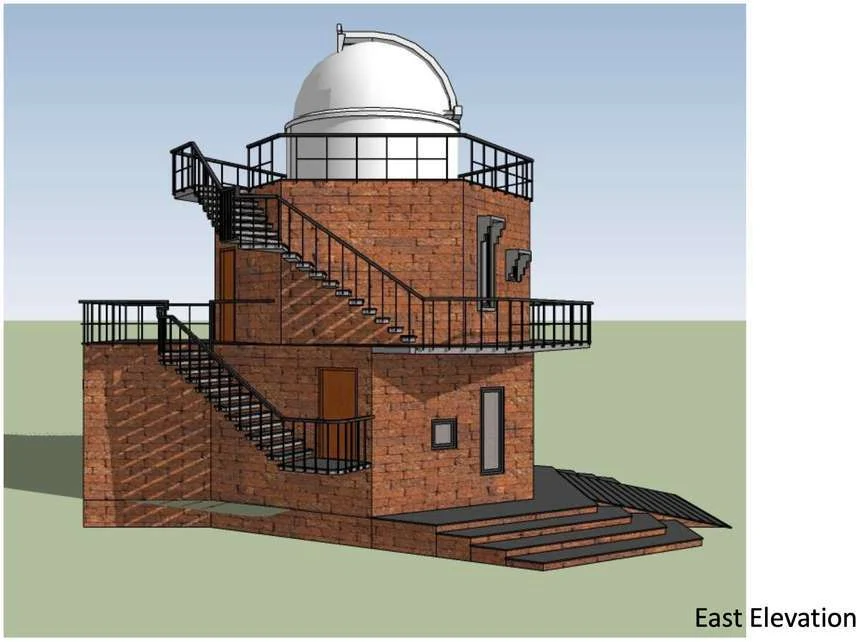
The proposed rooftop observatory includes a motorised dome and mounted telescope with controlled lighting and protective systems. A fixed installation can provide a different observing experience from portable equipment used outside. Both can contribute to learning when accompanied by clear explanations.
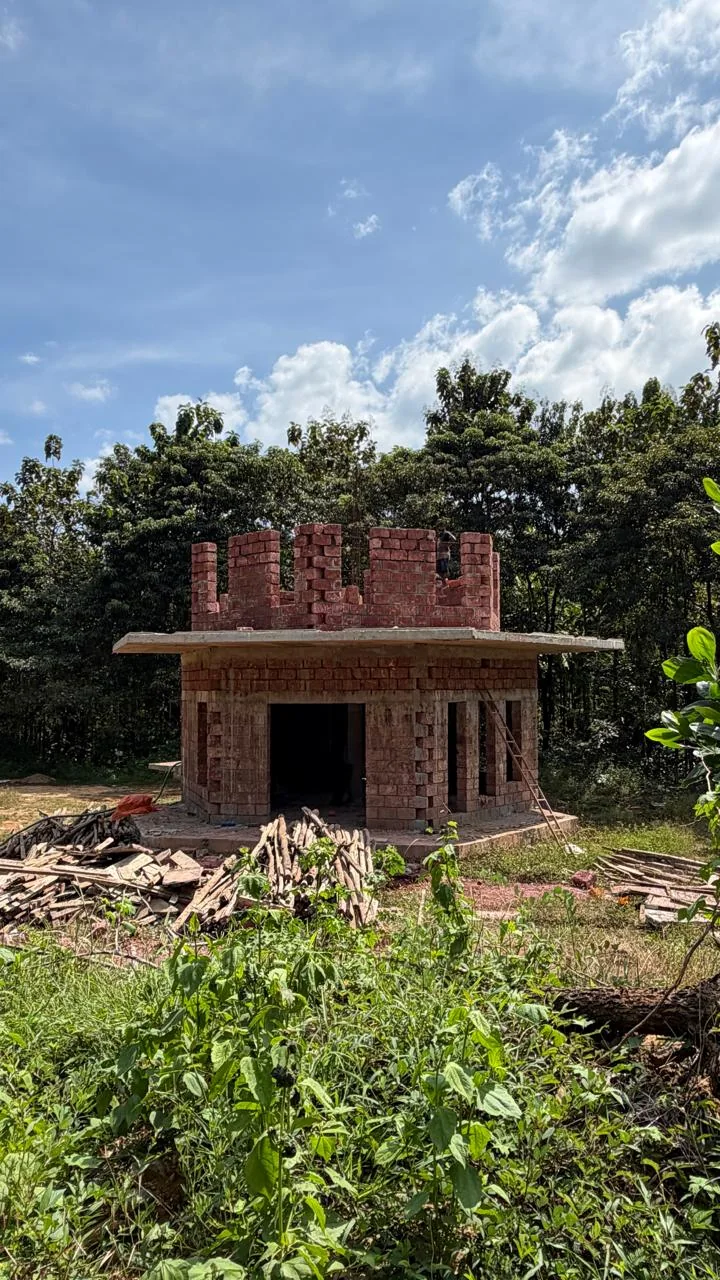
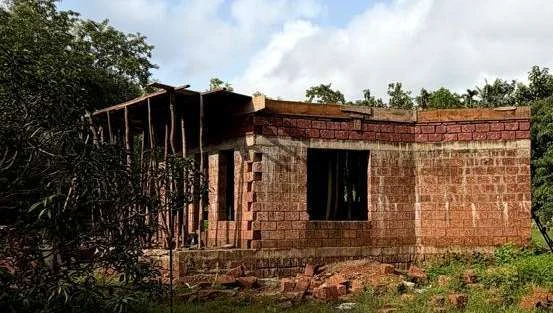
The architectural concept illustrates the intended arrangement. The November 2026 photographs show construction progress with upper walls underway, not a completed rooftop observatory. The difference matters when planning expectations for a future visit.
Support the whole learning experience
The plan also includes learning models, audio-visual resources, storage, drinking water and toilets. These are practical components of a school visit. They help make time at the centre organised and useful rather than limiting the experience to a quick look through an eyepiece.
Planned programmes include guided sky observations, camps, teacher workshops and community astronomy. Their value will depend on how the spaces and teaching fit together. Until the facilities and arrangements are ready, schools should contact the Foundation about availability. Contributions can help turn the proposed spaces into a resource that can be used repeatedly.
PAUSE AND THINK
Why include models and demonstrations alongside telescope sessions?
Explore the answer
They help learners connect an observation to an explanation, compare ideas and continue learning when the sky is cloudy.