On this page
THE BIG IDEAS
- Rural and underprivileged learners are priority audiences.
- Observation is intended to connect with practical explanation and activities.
- The centre’s planned impact is different from measured outcomes.
Opportunity should reach beyond a textbook
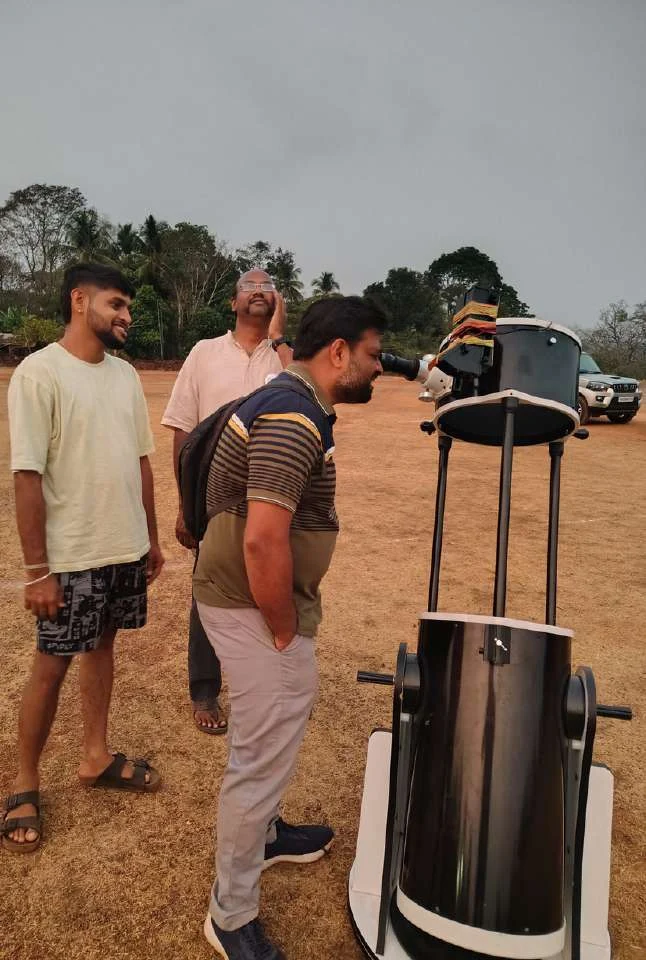
Astronomy can begin with an ordinary question: why does the Moon change shape, which bright point is a planet or why do stars appear to move? A practical encounter gives learners something to observe and discuss, rather than only a fact to memorise.
HONTARA’s stated mission is to expand access to astronomy and science education. The intended experience combines observation, experiments and explanations that help young people investigate the world around them.
Who the project is designed for
The priority groups include students from government and aided schools, underprivileged children and first-generation learners. Rural science teachers, youth groups and the wider community are also part of the intended audience. The aim is a local resource that schools and families can return to as their questions and interests develop.
Accessible learning requires attention to more than the instrument. Clear language, patient guidance and activities that connect with everyday experience help students take part even if astronomy is new to them.
Different ways to learn
The programme plan includes guided observations, weekend and holiday camps, teacher workshops and community astronomy. Observation can lead into a model, a drawing, a measurement or a discussion. Teacher preparation can help the questions continue in class after a visit.
The English learning library adds resources that can be used before the centre is complete. Learners can explore explanations and activities at their own pace. Teachers can adapt the lesson plans to their students and available materials. Online resources complement the intended physical centre.
A goal that needs sustained work
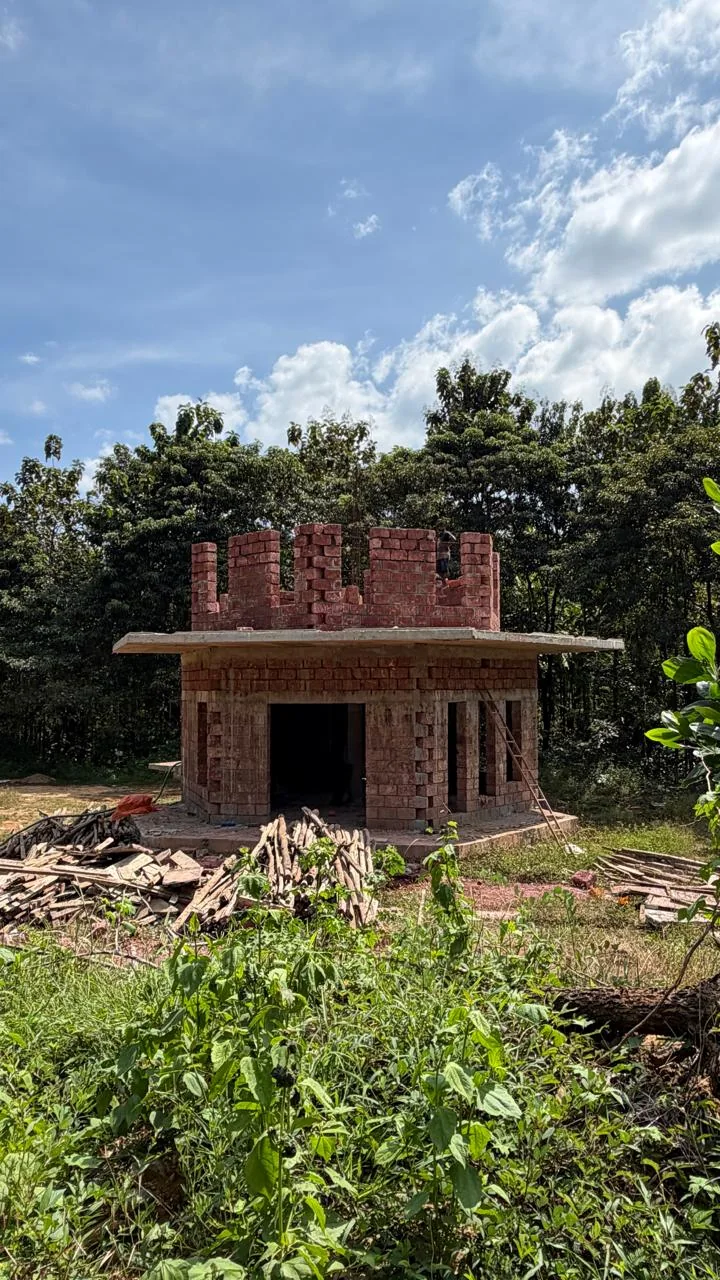
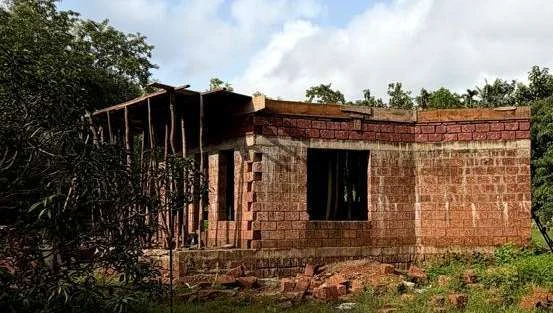
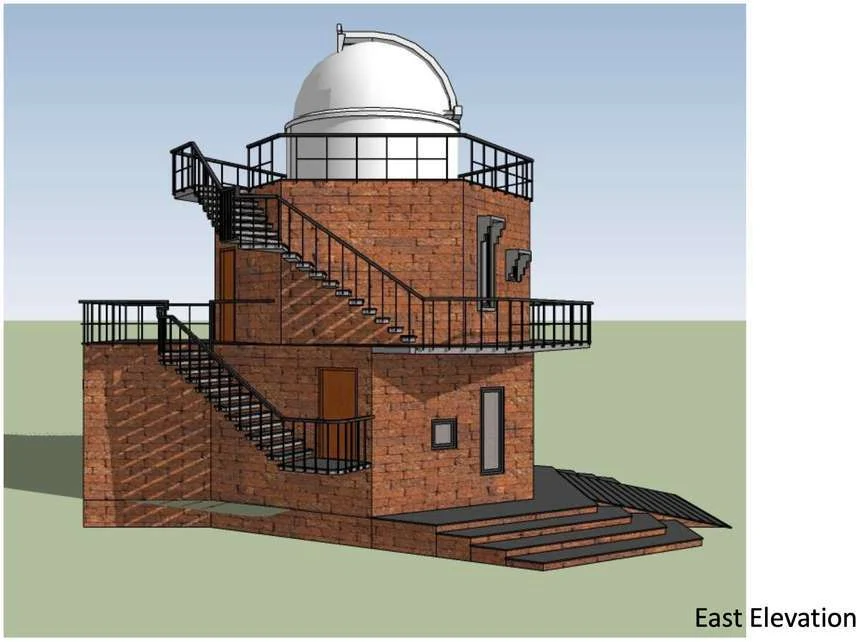
Construction is still underway. The November 2026 update shows the ground-floor slab in place and upper walls rising. Completing the building is part of developing the wider educational resource, along with equipment, teaching materials and arrangements for sessions.
The educational aim is for an encounter with astronomy to lead to more questions, practical investigations and continued learning. Supporting HONTARA helps develop the space, equipment and teaching resources that can make those opportunities possible. The free library offers a way to begin exploring now while work on the physical centre continues.
PAUSE AND THINK
How can a telescope session continue after students return to class?
Explore the answer
Students can compare sketches, keep an observing diary, build a model or discuss the evidence behind an explanation. Teachers can connect the session to a follow-up activity.